Related Articles
People Also Ask
The cost to install a walk-in cooler varies widely, typically ranging from $10,000 to $50,000 or more. This broad range depends on several key factors. The primary cost drivers are the size and custom specifications of the unit, with larger, more complex designs commanding higher prices. The type of refrigeration system, its energy efficiency rating, and the complexity of the installation site (requiring electrical work, flooring, and structural modifications) significantly impact the final quote. Additional expenses include permits, ongoing maintenance, and potential ductwork. For an accurate estimate, it is essential to obtain a detailed assessment from a licensed HVACR professional who can evaluate your specific space, usage needs, and local building codes.
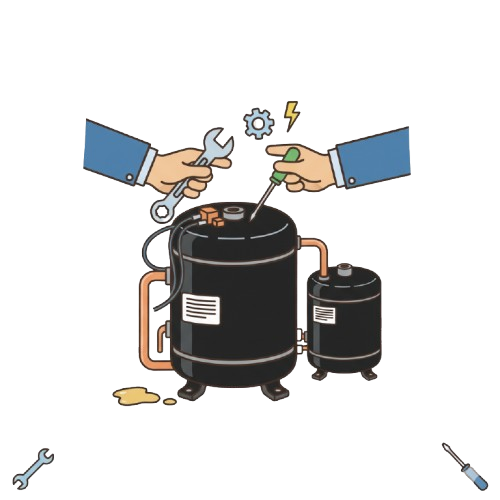
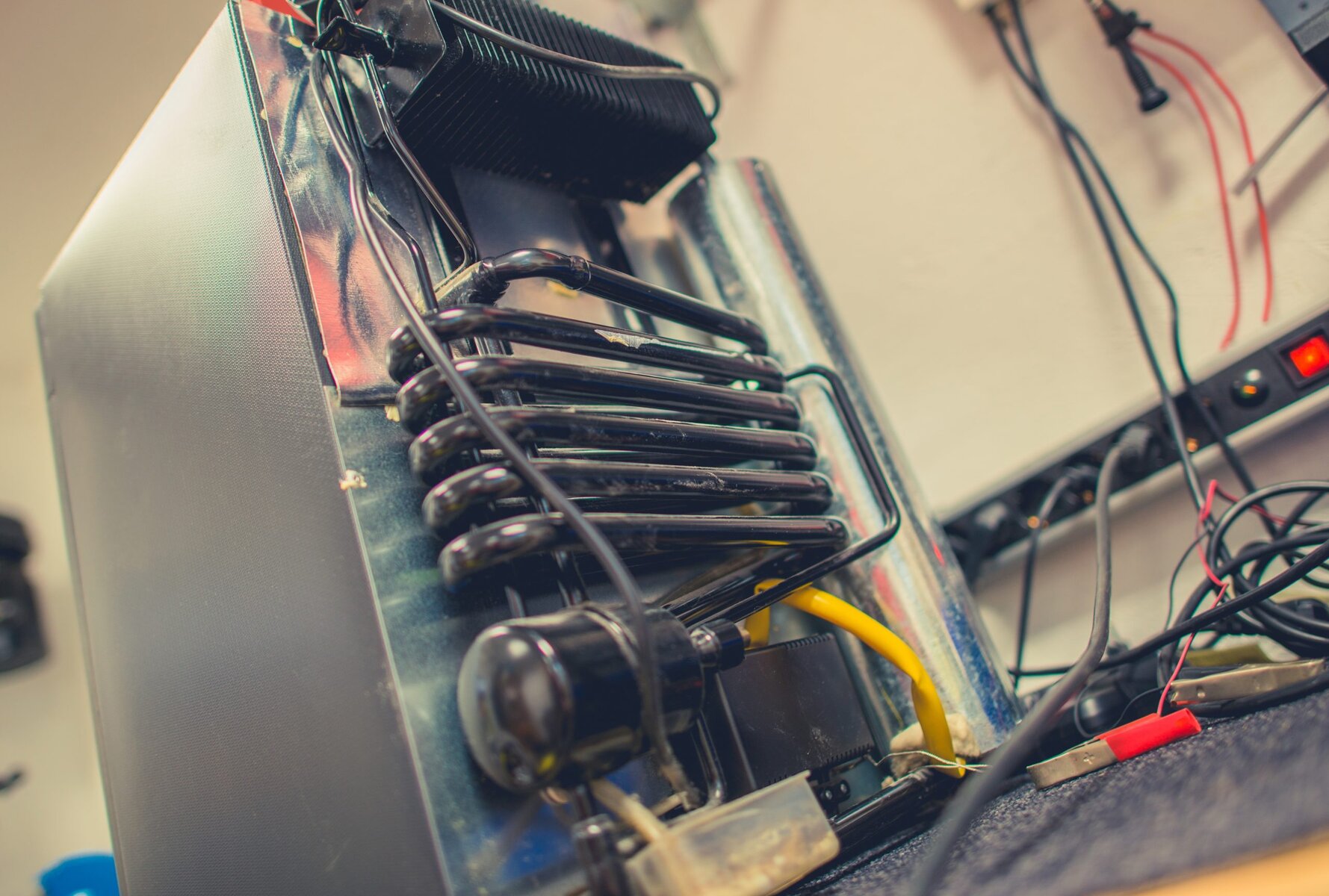
The most expensive repair for a refrigerator is typically a compressor failure. The compressor is the heart of the cooling system, and replacing it is a labor-intensive, costly procedure that often approaches the price of a new unit. Other high-cost repairs include issues with the sealed refrigeration system, such as a refrigerant leak or a faulty evaporator coil, which require specialized tools and expertise to address. When facing such major failures, it's crucial to weigh the repair cost against the appliance's age and overall condition. For older models, replacement is frequently the more economical and reliable long-term choice compared to a complex, expensive repair.
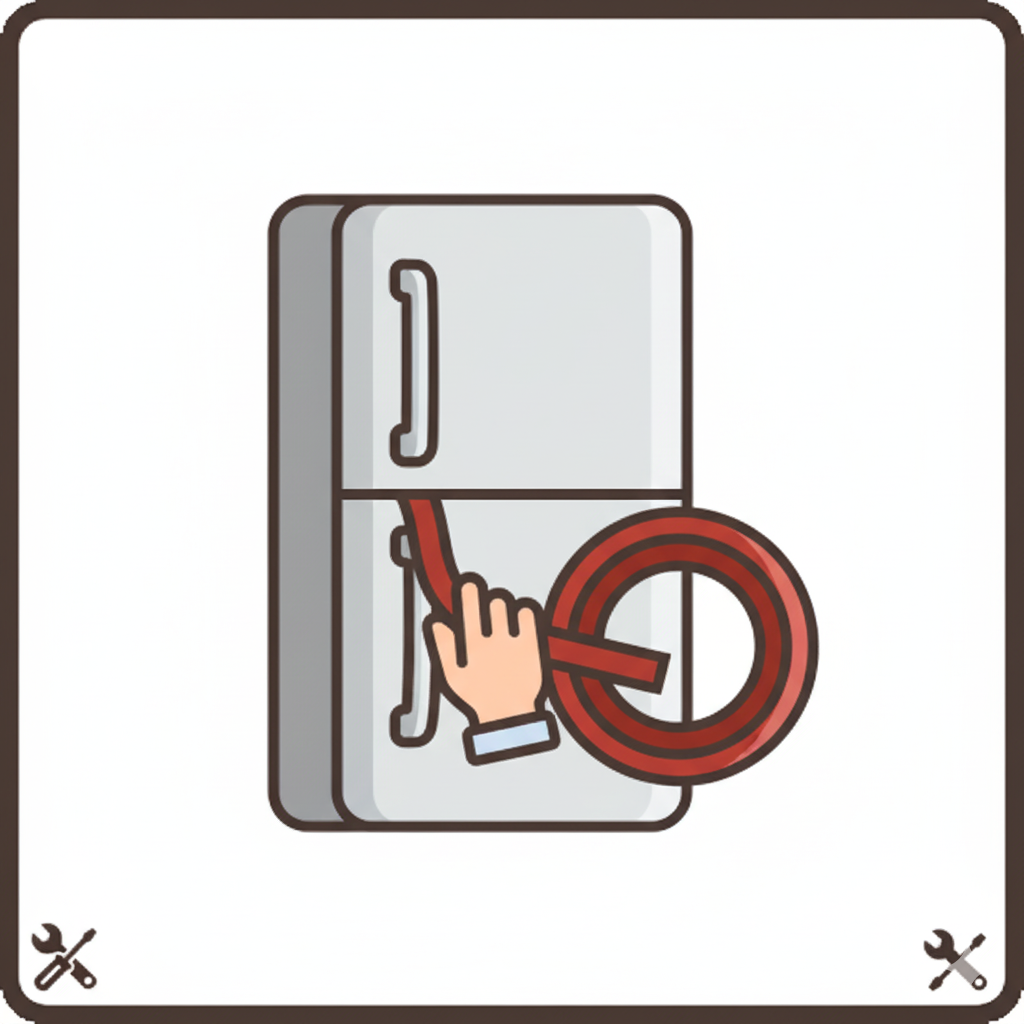
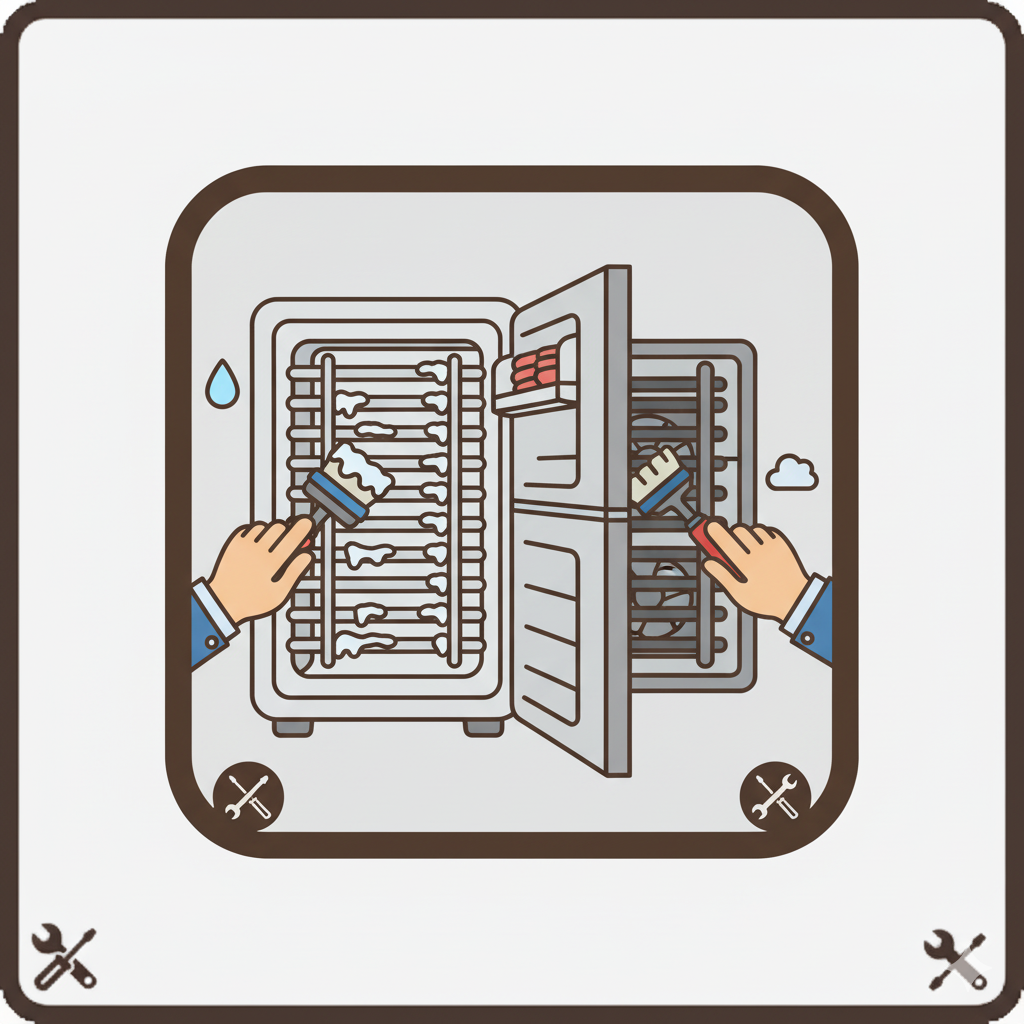
The life expectancy of a walk-in refrigerator is typically between 15 to 20 years, though this range can vary significantly based on several factors. Key determinants include the initial quality of construction, the type and frequency of maintenance, the operating environment, and the intensity of use. Units with robust structural components, high-quality insulation, and well-maintained refrigeration systems will last the longest. Adherence to a strict preventive maintenance schedule—including regular cleaning of coils, checking door seals, and monitoring refrigerant levels—is the single most important factor in maximizing lifespan. Proper installation and avoiding overloading the unit also contribute to long-term reliability and efficiency.
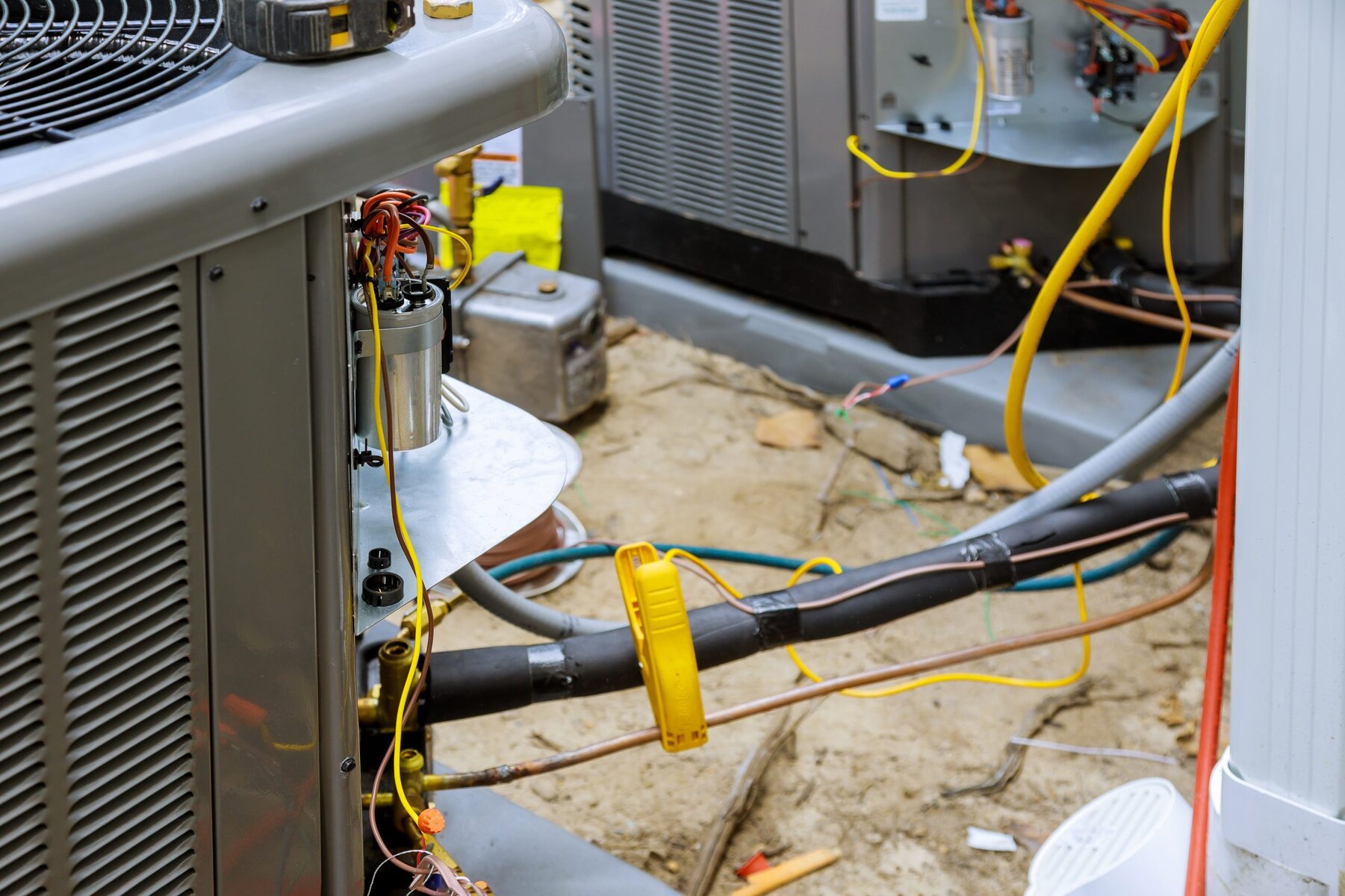
A walk-in freezer can stop working due to several common issues. The most frequent cause is a failure of the refrigeration system, such as a loss of refrigerant charge from a leak, a faulty compressor, or a malfunctioning condenser fan motor. Electrical problems, including tripped circuit breakers, blown fuses, or failed defrost heaters and timers, are also typical culprits. Simple operational issues like excessive frost buildup on the evaporator coils from a defective defrost cycle, a failed door gasket allowing warm air infiltration, or a misadjusted thermostat can also lead to system failure. Regular professional maintenance is crucial to identify and address these problems before they cause a complete breakdown.
When searching for walk-in cooler repair and installation services in Silver Spring, reviews are a critical tool for selecting a reliable provider. Look for companies with consistently high ratings on platforms like Google, Yelp, or the Better Business Bureau. Pay close attention to comments about response time, professionalism, and the longevity of repairs. A reputable HVACR specialist should be licensed, insured, and certified to handle refrigerants (EPA Section 608). They should offer clear estimates, use quality parts, and provide warranties on both labor and equipment. For installation, reviews should mention proper sizing, energy efficiency, and adherence to local building codes. Always verify that the company has specific, proven experience with commercial refrigeration systems to ensure your cooler operates reliably.
For walk-in cooler repair and installation in Silver Spring, it is crucial to work with a licensed, EPA-certified HVACR technician. These professionals can properly handle refrigerants, diagnose complex issues like compressor failures or evaporator coil problems, and ensure installations meet local building codes and health department regulations for food safety. Look for a service provider with specific experience in commercial refrigeration, offering emergency repair services to minimize business downtime. They should perform comprehensive maintenance, including checking door seals, cleaning condensers, and verifying thermostat calibration to ensure energy efficiency and system longevity. Always verify their credentials and request references from other local foodservice businesses.