

Had an industrial cooler in our storage area start warming up and we were losing product fast. Their technician returned my call super quick and was already on the way. Skilled technicians for real, they had it repaired and stable again in no time.


Pavel has been incredible. Very attentive. Does quality work stands by his work and checks up on it? He has been a lifesaver this spring

I used this company on numerous occasions. He comes out quick and fix the job the same day. I highly recommend this company

Fast, reliable, and professional! Explained the issue and was upfront about the cost. Followed up to confirm the freezer was working properly.

We’ve been using them for regular commercial refrigeration maintenance for over a year now. The techs are always professional and never leave a mess behind. It’s refreshing to work with people who take pride in their work.

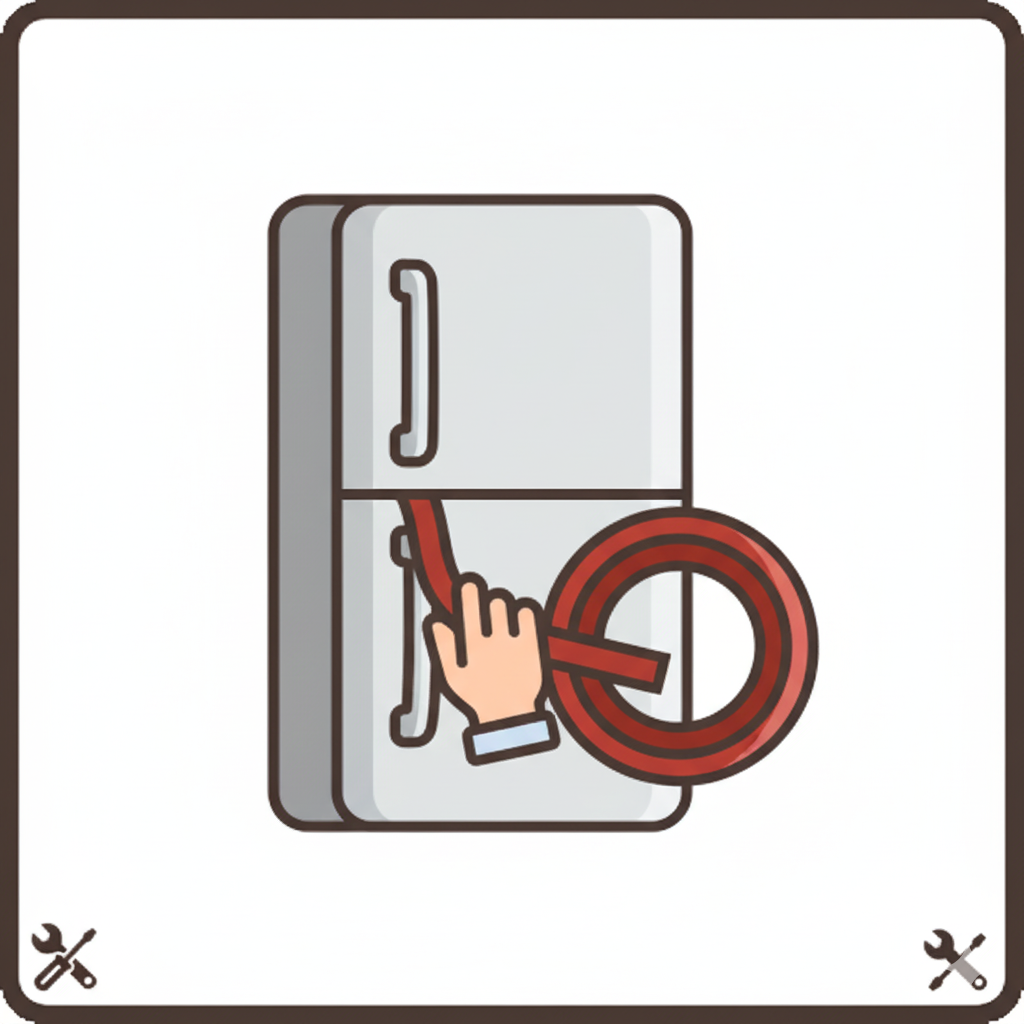
Our walk in cooler door wasn’t closing right, and they replaced the gasket perfectly. Now it seals completely, and the temperature stays steady again. Great communication and solid results every time.

Our walk in cooler door wasn’t closing right, and they replaced the gasket perfectly. Now it seals completely, and the temperature stays steady again. Great communication and solid results every time. Thank you.

Honestly just a solid experience all around. My commercial refrigeration issue got handled fast and they didn’t leave until everything was fully stable. I’ll definitely call them again if need be.


The team was knowledgeable, friendly, and explained the repair process clearly. They completed the work efficiently and made sure everything was running smoothly before leaving. Great customer service and fair pricing.





People Also Ask
The average life expectancy of a commercial refrigerator is typically between 10 and 15 years, though this depends heavily on maintenance, usage intensity, and build quality. Units in high-volume kitchens often experience more wear on compressors and seals, shortening their lifespan. For walk-in freezers specifically, you can find detailed industry benchmarks in our internal article titled Average Life Expectancy Of A Walk-In Freezer For Restaurants. To maximize longevity, ensure proper condenser cleaning, avoid overloading, and monitor door gasket integrity. Pavel Refrigerant Services recommends scheduling professional inspections twice a year to catch refrigerant leaks or electrical issues early, which can add several years to your equipment's operational life.
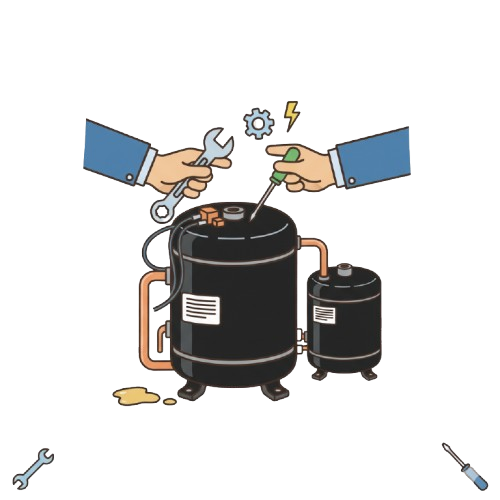
The most expensive repair on a refrigerator typically involves the sealed system, specifically the compressor. Replacing a failed compressor is a major job because it requires recovering the refrigerant, brazing in the new part, and evacuating and recharging the system with the correct gas. This labor-intensive process often costs more than the value of an older unit. In the DMV area, where humidity is a constant factor, compressor failure can be accelerated by poor airflow or dirty condenser coils. For detailed advice on how moisture affects your system's longevity, please refer to our internal article How Humidity Impacts Metro Area Refrigeration Systems. At Pavel Refrigerant Services, we always recommend evaluating the repair cost against the age of the appliance before committing.
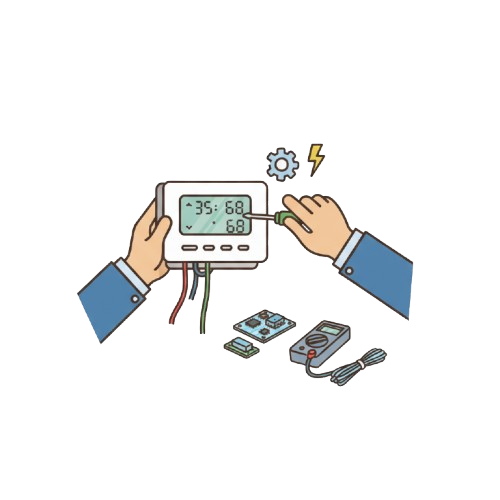
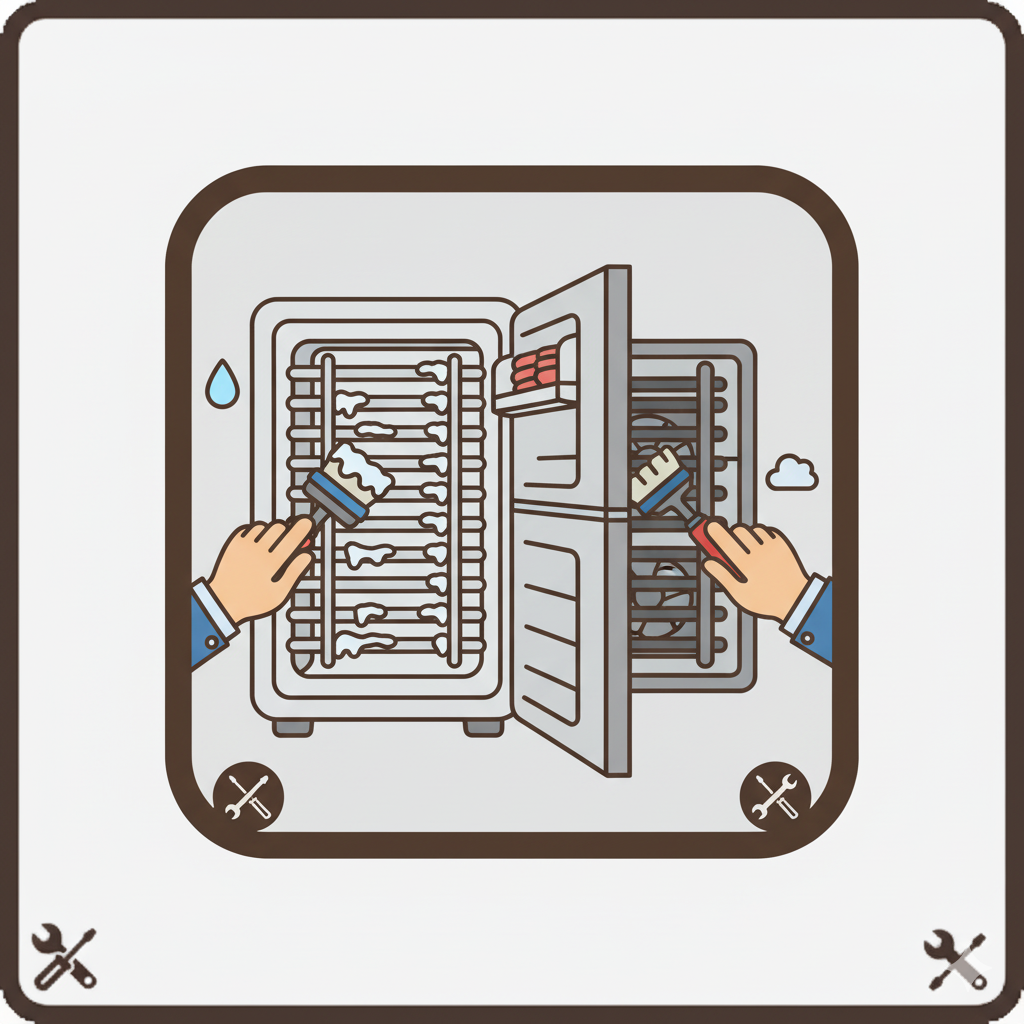
For optimal performance and to prevent costly breakdowns, a commercial refrigerator should be professionally serviced at least twice a year, typically every six months. This routine maintenance is crucial for ensuring consistent temperature control, which directly impacts food safety and energy efficiency. A thorough service includes cleaning condenser coils, checking refrigerant levels, inspecting door seals, and calibrating thermostats. Neglecting this schedule can lead to compressor strain and higher utility bills. For more details on maintaining peak efficiency and protecting your inventory, we recommend reviewing our internal article titled Preventing Food Waste Through Proper Refrigeration. Following this industry standard helps extend the lifespan of your equipment and minimizes the risk of unexpected failures.
A person who fixes fridges is most commonly called a refrigeration technician or a commercial refrigeration mechanic. These professionals specialize in diagnosing and repairing cooling systems found in restaurants, grocery stores, and laboratories. Unlike a general appliance repair person, a commercial refrigeration technician must understand complex systems involving compressors, condensers, and refrigerant circuits. For a deeper look into the specific terminology and job titles used in this field, you can read our internal article titled What To Call A Professional Who Repairs Commercial Refrigeration Units. At Pavel Refrigerant Services, we ensure our technicians are highly trained to handle all types of commercial refrigeration issues.