

The walk-in cooler at our deli started acting up and we were worried about food safety. The tech arrived fast, fixed the issue properly, and explained what caused it so we can prevent it in the future. Great work.


Amazing experience with Pavel Refrigerant Services! Pavel doesn't just solve the problem—he takes the time to coach you through the entire process and makes sure you understand exactly what you're paying for. His professionalism, knowledge, and transparency are truly appreciated. Hands down the best service I've received. Highly recommend!

I have used Pavel refrigerant services many times. They came on time, service was very professional and the prices were good and fare I highly recommend this company..

Our cafe’s display case fridge went down during peak hours. They prioritized the call and had it running smoothly again quickly. The team was courteous and left the area spotless
I have used Pavel refrigerant services many times. They came on time, service was very professional and the prices were good and fare I highly recommend this company.

Had an issue with our large commercial refrigerator not maintaining consistent temps. The repair was done thoroughly and they tested it multiple times before leaving. We’ve had no problems since.

Had an industrial cooler in our storage area start warming up and we were losing product fast. Their technician returned my call super quick and was already on the way. Skilled technicians for real, they had it repaired and stable again in no time.

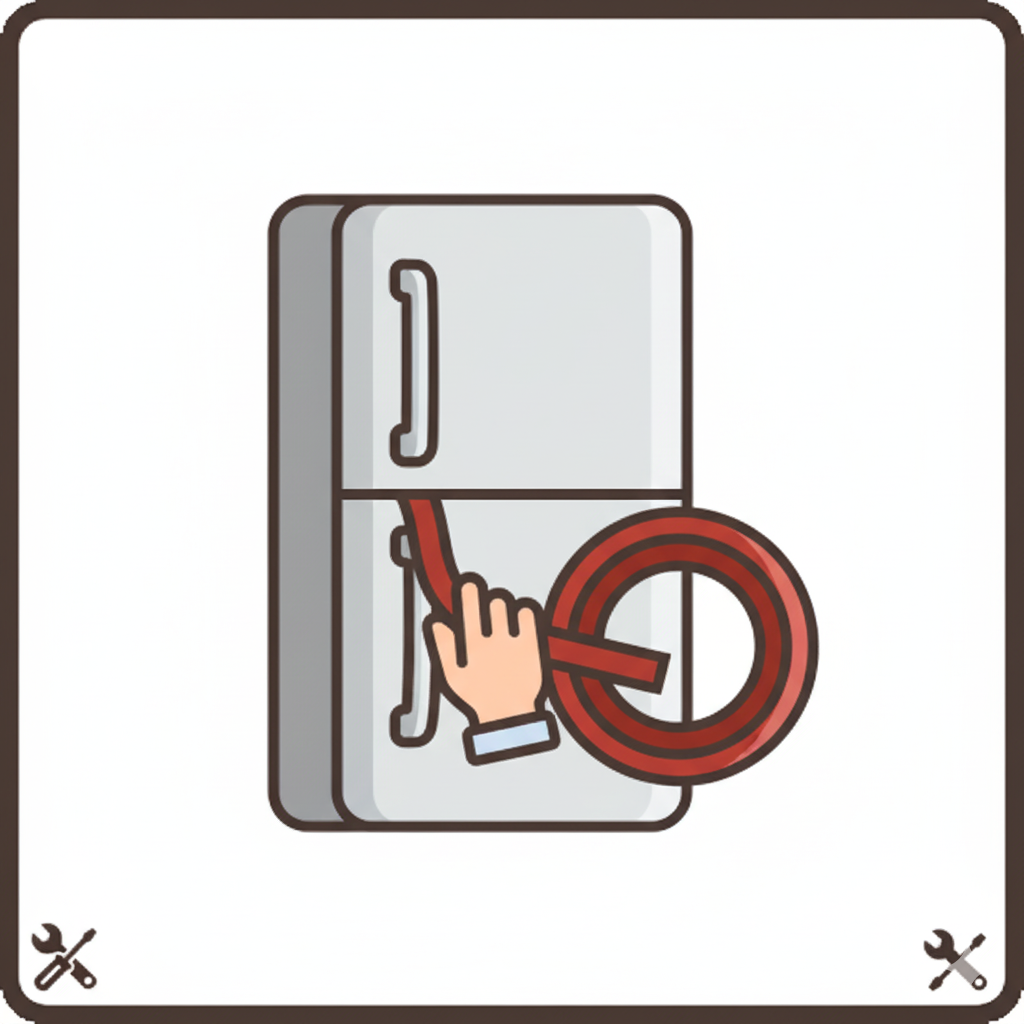
Our walk in cooler door wasn’t closing right, and they replaced the gasket perfectly. Now it seals completely, and the temperature stays steady again. Great communication and solid results every time.
Had an industrial cooler in our storage area start warming up and we were losing product fast. Their technician returned my call super quick and was already on the way. Skilled technicians for real, they had it repaired and stable again in no time.

Pavel has been incredible. Very attentive. Does quality work stands by his work and checks up on it? He has been a lifesaver this spring





Related Articles
People Also Ask
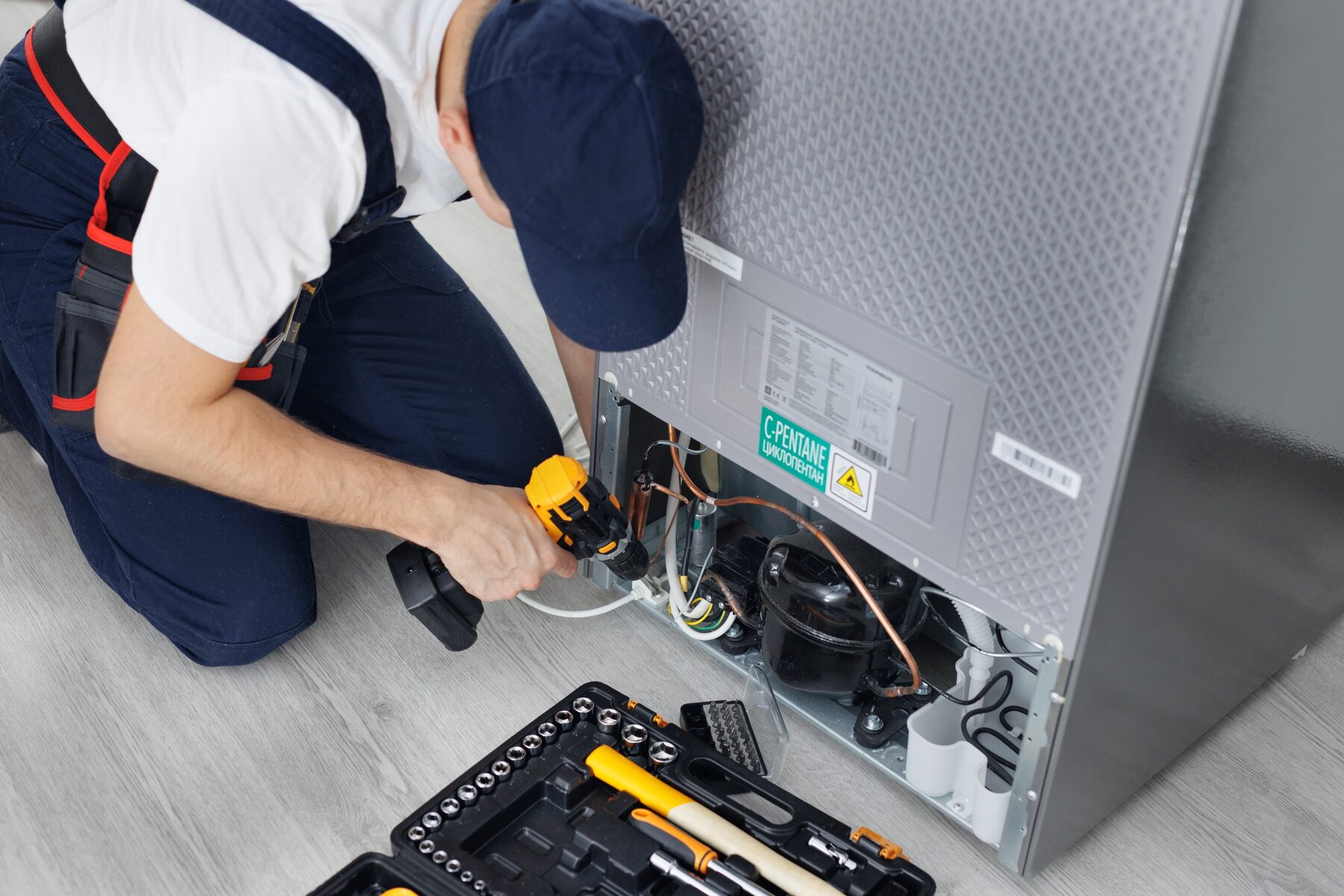
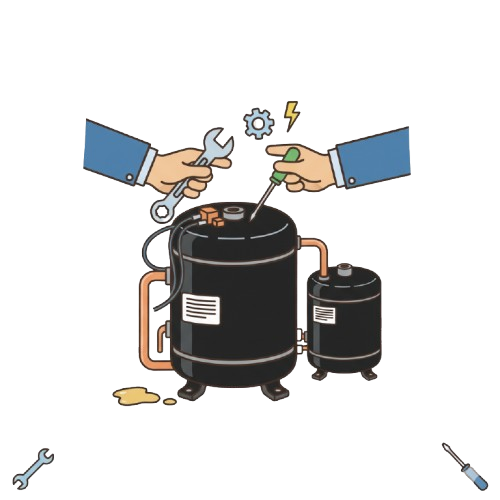
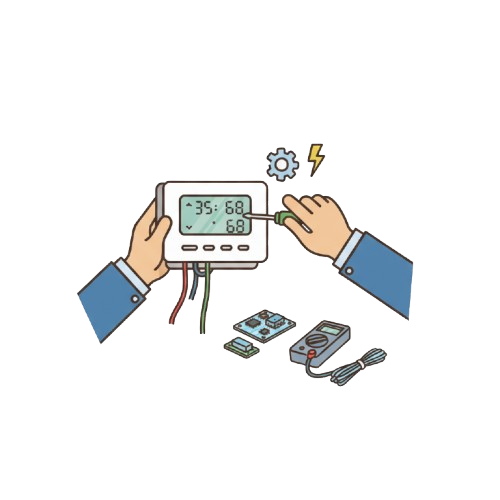
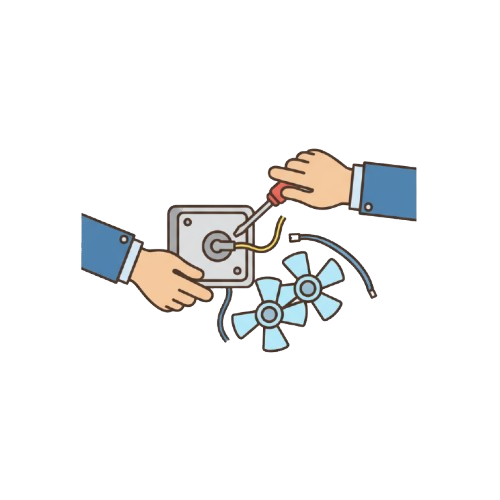
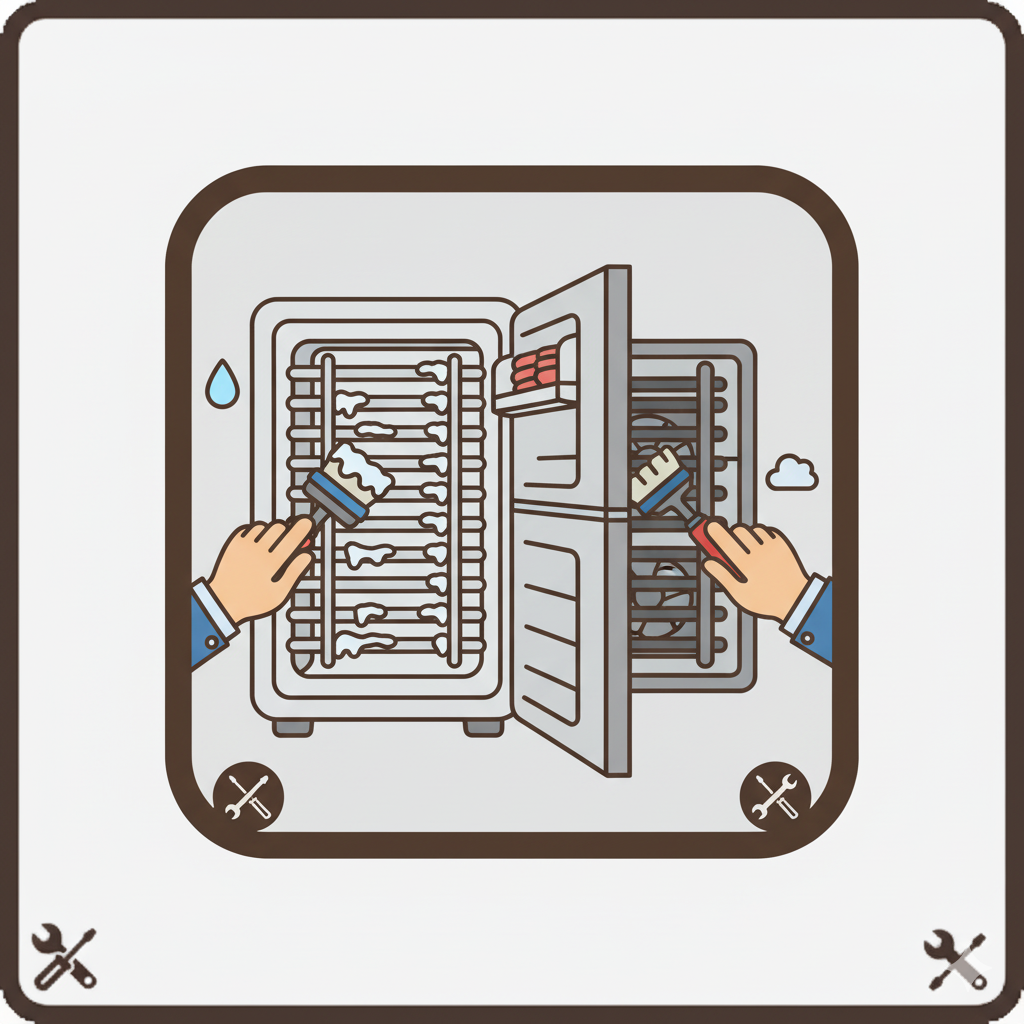
To troubleshoot a commercial fridge that is not cooling, start by checking the condenser coils for dust or debris, which can block heat exchange. Ensure the evaporator fan is running and not obstructed by ice buildup. Verify that the door seals are intact and closing properly to prevent warm air infiltration. Also, confirm the thermostat is set correctly and not malfunctioning. For precise calibration advice, refer to our internal article titled Avoiding Common Mistakes In Thermostat Calibration. If basic checks fail, the issue may involve a faulty compressor, refrigerant leak, or a defective start relay, requiring professional diagnosis. Pavel Refrigerant Services recommends scheduling a technician for complex repairs to avoid further damage.
The average cost to fix a refrigerator typically ranges from $200 to $500, though this can vary significantly based on the specific issue and the appliance's age. Common repairs like replacing a thermostat or a fan motor often fall on the lower end, while a faulty compressor or sealed system leak can cost $600 or more. Labor rates in the Washington D.C. and Silver Spring area generally add $100 to $200 per service call. For a precise estimate, a professional diagnosis is essential. Pavel Refrigerant Services provides transparent, upfront pricing for all refrigerant and mechanical repairs, ensuring you understand the full scope before any work begins.
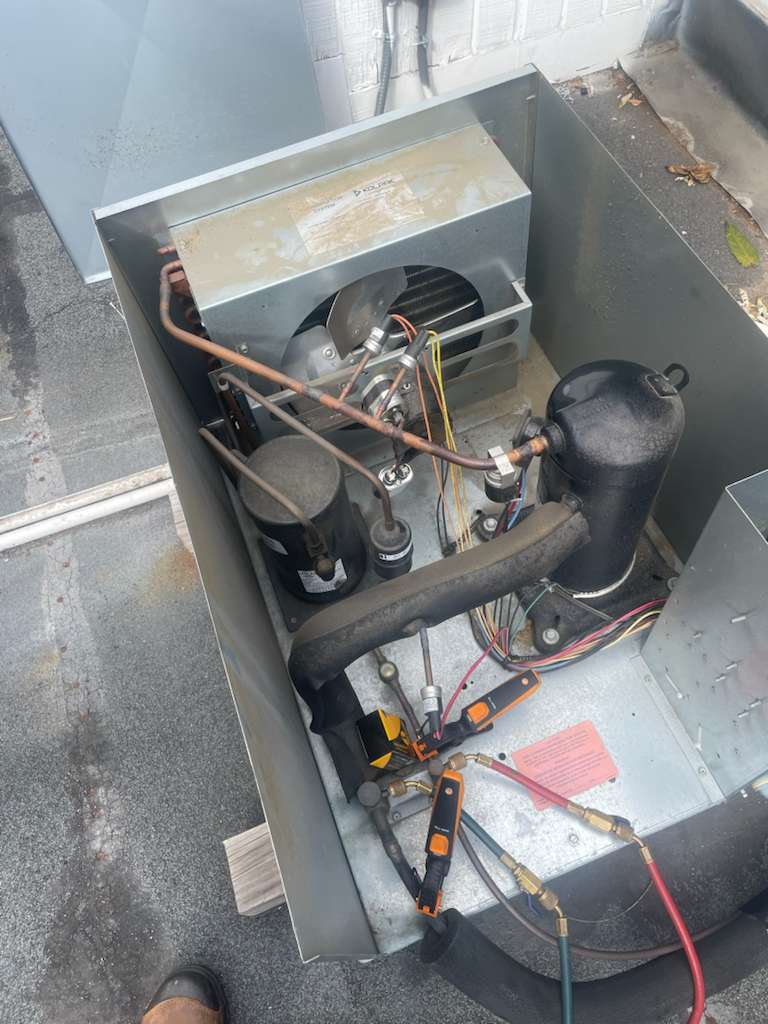
The 50/50 rule is a general guideline used by HVAC professionals to evaluate the performance of a refrigeration or air conditioning system. It states that, under normal operating conditions, the temperature of the liquid line leaving the condenser should be approximately 50 degrees Fahrenheit above the outdoor ambient temperature. Conversely, the suction line temperature returning to the compressor should be roughly 50 degrees Fahrenheit below the condensing temperature. This rule helps technicians quickly assess if a system is running efficiently without complex calculations. For expert diagnostics and service in the DMV area, Pavel Refrigerant Services can apply this and other industry standards to ensure your equipment operates at peak performance.
The life expectancy of a commercial refrigerator typically ranges from 8 to 12 years, though this depends heavily on maintenance, usage, and the quality of the unit. For walk-in coolers and freezers, a well-maintained system can last 10 to 15 years. To maximize this lifespan, regular cleaning of condenser coils, checking door seals, and scheduling professional tune-ups are essential. For a more specific breakdown on walk-in freezers, our internal article titled Average Life Expectancy Of A Walk-In Freezer For Restaurants provides detailed insights for restaurant owners. At Pavel Refrigerant Services, we recommend proactive maintenance to avoid premature breakdowns and ensure your equipment operates efficiently for its full expected life.