



We hired them to do a complete kitchen and two bathrooms renovation. They were extremely professional, kept us within budget, and finished early. The communication was excellent; they kept us updated daily, and the entire experience was stress-free. The workmanship is beautiful. Highly recommend this remodeling and construction company.


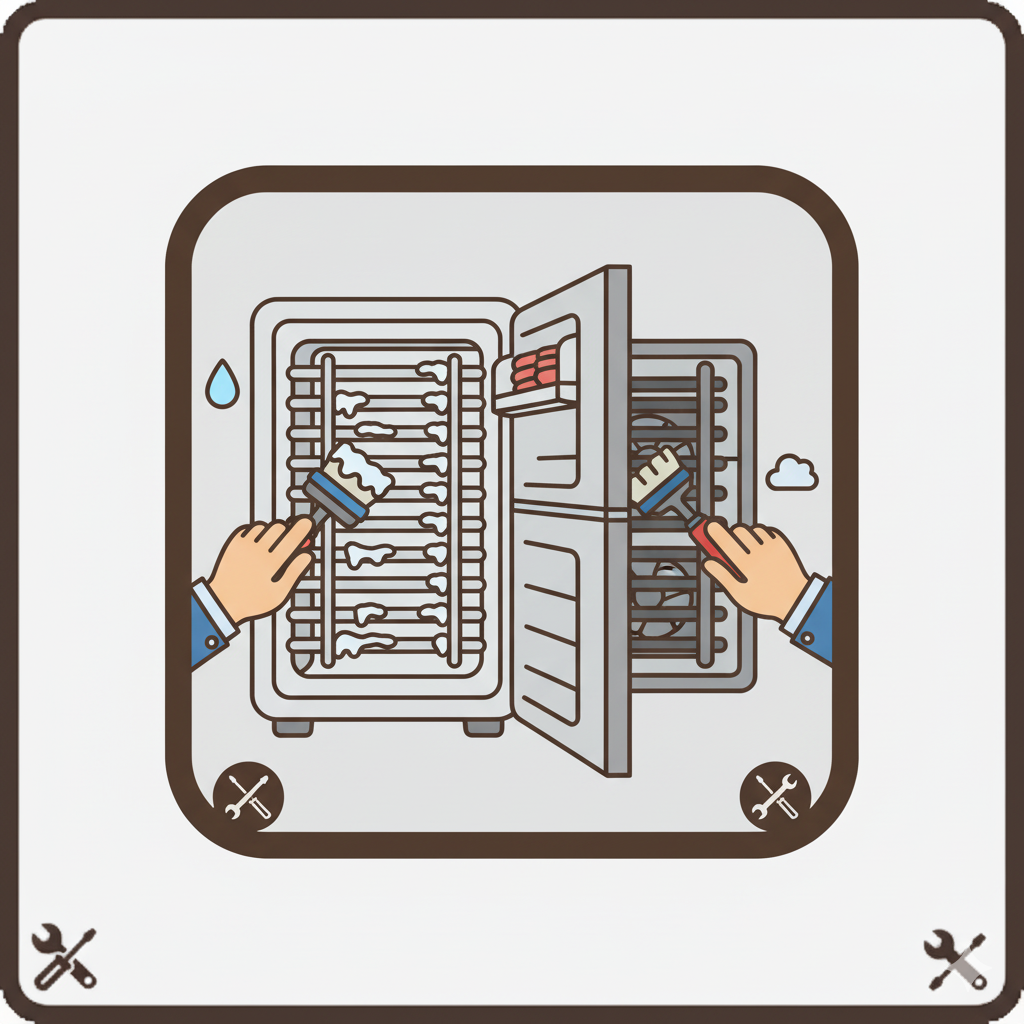
Skilled technicians diagnosing issues quickly and performing reliable repairs.

We hired them to do a complete kitchen and two bathrooms renovation. They were extremely professional, kept us within budget, and finished early. The communication was excellent; they kept us updated daily, and the entire experience was stress-free. The workmanship is beautiful. Highly recommend this remodeling and construction company.

They have great service They fix my walking refrigerator They got here on time and it worked great after the service they did to my restaurant refrigerator I recommend them to friends that has restaurants

Pavel was called on an emergency service on a Saturday morning and came out to fix a walk-in freezer that was recently installed at our restaurant. The freezer was icing over and the temperature was rising inside. Since this could not wait, he came out and identified the issue and fixed it properly. On that same night, he even came back to ensure the unit was working properly and holding deep-freezer temperatures. Pavel went above and beyond for our restaurant and we are very happy with his service. Our restaurant recommends him!

Our bar cooler wasn’t keeping temp and the guys from Pavel Refrigerant Services figured it out right away.
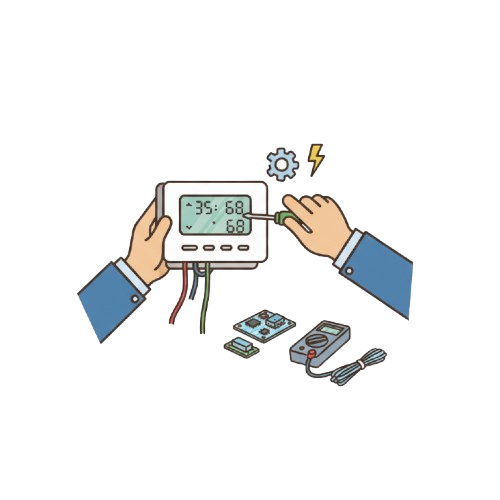
It turned out to be a thermostat issue which they repaired on the spot.
Quick service and solid work all around.

Had an issue with our commercial refrigeration system and these guys fixed it fast. Their quick service and great communication made a stressful situation super easy. Definitely sticking with them for future maintenance.

Had an issue with our commercial refrigeration system and these guys fixed it fast. Their quick service and great communication made a stressful situation super easy. Definitely sticking with them for future maintenance.

Got a refrigerant leak detected and repaired by Pavel’s team. They found the issue fast and made sure there were no other hidden problems. The service was smooth and the price made sense.

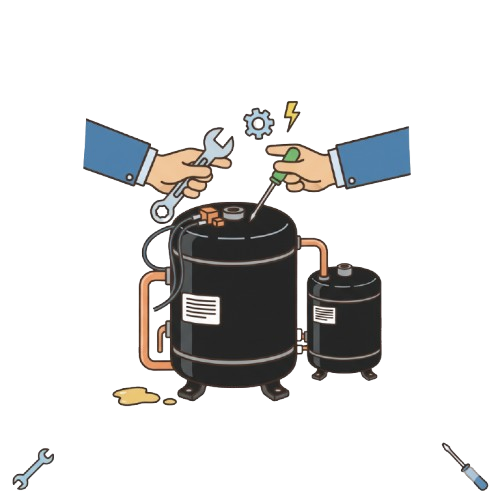
Our warehouse cooler needed compressor repair and Pavel’s crew handled it like pros. They showed up with all the appropriate equipment and didn’t waste any time. The pricing was fair and the system has been running flawlessly since.

Related Articles
People Also Ask
The average cost to replace an AC compressor typically ranges from $1,500 to $2,800, with a national average around $2,000. This wide range depends heavily on the compressor unit cost, which varies by brand and system type, and the labor involved, which is significant as it requires recovering refrigerant, installing the new compressor, and recharging the system. For a standard residential central air system, the compressor itself may cost between $800 and $1,500. Additional critical factors include the system's age and whether it uses older R-22 refrigerant, which is now expensive and phased out, potentially adding $500 or more to the total. It is often recommended to get a professional diagnosis, as a full system replacement might be more cost-effective for older units.
The decision to repair or replace an AC compressor hinges on several factors. A compressor is the heart of the system, and its replacement is a major, costly repair. If the unit is under 10 years old and the rest of the system is in good condition, a compressor replacement can be a sound investment, restoring the system to full function. However, if the AC is older, has a history of other issues, or uses an obsolete refrigerant like R-22, a full system replacement is often more cost-effective in the long run. Newer models offer significantly improved energy efficiency and reliability. A professional technician can perform a detailed assessment, weighing the repair cost against the unit's age and condition to provide the most economical recommendation.
The cost to fix an air compressor varies widely, typically ranging from $150 to over $1,000, depending on the issue and compressor type. Simple repairs like replacing a pressure switch or unloader valve may cost $150-$400 for parts and labor. Major repairs, such as fixing a seized motor or replacing the pump assembly, can cost $500-$1,000 or more. For large commercial units, costs can escalate significantly. Labor rates, part availability, and whether the unit is under warranty are key factors. It's often advised to get a professional diagnosis, as repeated failures might make compressor replacement more cost-effective than a major repair.
The most common cause of AC compressor failure is a lack of proper maintenance leading to system contamination or improper refrigerant charge. Dirty coils, clogged filters, and low refrigerant levels force the compressor to work harder, causing overheating and eventual burnout. Electrical issues like voltage spikes or faulty capacitors are also frequent culprits. Crucially, poor airflow, often from a dirty filter or blocked ductwork, creates high pressure that strains the compressor. This is a key point discussed in our internal resource, Danger Of Blocked Return Air Vents, which explains how restricted airflow damages the entire system. Regular professional maintenance is the single best defense against these preventable failures.
For professional air compressor repair and replacement in Bethesda, selecting a certified HVAC and refrigeration service provider is crucial. Look for a company with EPA-certified technicians who specialize in commercial and industrial systems, as they possess the expertise for complex pneumatic controls and refrigeration circuits. The best services offer comprehensive diagnostics, perform repairs on major components like motors and valves, and provide transparent quotes for replacements when necessary. Ensure they use OEM or high-quality aftermarket parts and follow all local codes. A reputable firm will prioritize minimizing downtime and offer maintenance plans to prevent future failures, ensuring your compressed air systems operate reliably and efficiently.
For top-tier compressor repair and replacement services in Bethesda, look for a licensed HVAC-R contractor with specific expertise in commercial and industrial refrigeration systems. The best services offer 24/7 emergency response, as compressor failure can halt business operations. They should perform a thorough diagnostic to determine if a repair is viable or if a replacement is more cost-effective, considering factors like the compressor's age, refrigerant type (e.g., R-410A, R-448A), and system compatibility. Reputable providers use OEM or high-quality compatible parts, ensure proper evacuation and refrigerant handling per EPA Section 608 regulations, and provide a detailed warranty on both labor and parts. Always verify their certifications and insurance.
For electric compressor repair and replacement in Bethesda, it is crucial to partner with a certified HVAC-R service provider. Technicians should perform a comprehensive diagnostic to determine if a repair is viable or if a full replacement is more cost-effective. Key steps include checking electrical components, motor windings, and pressure levels. Replacement units must be properly sized and matched to the system's specifications to ensure efficiency and longevity. Adhering to EPA refrigerant handling protocols is mandatory. For detailed guidance on addressing specific mechanical issues, refer to our internal resource Solving Common Compressor Failures In Maryland Industrial Systems. Professional services ensure system reliability, energy efficiency, and compliance with all local regulations.