



We hired them to do a complete kitchen and two bathrooms renovation. They were extremely professional, kept us within budget, and finished early. The communication was excellent; they kept us updated daily, and the entire experience was stress-free. The workmanship is beautiful. Highly recommend this remodeling and construction company.


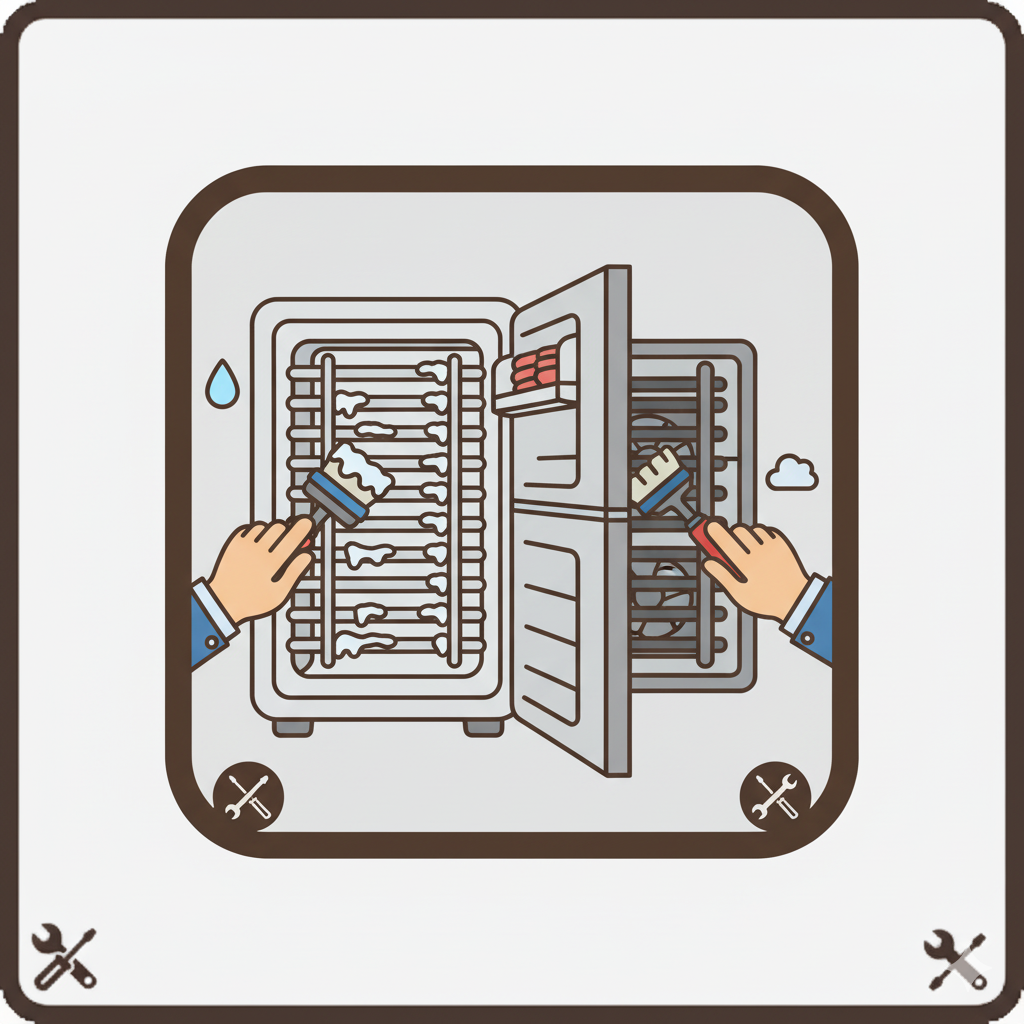
Skilled technicians diagnosing issues quickly and performing reliable repairs.

We hired them to do a complete kitchen and two bathrooms renovation. They were extremely professional, kept us within budget, and finished early. The communication was excellent; they kept us updated daily, and the entire experience was stress-free. The workmanship is beautiful. Highly recommend this remodeling and construction company.

They have great service They fix my walking refrigerator They got here on time and it worked great after the service they did to my restaurant refrigerator I recommend them to friends that has restaurants

Pavel was called on an emergency service on a Saturday morning and came out to fix a walk-in freezer that was recently installed at our restaurant. The freezer was icing over and the temperature was rising inside. Since this could not wait, he came out and identified the issue and fixed it properly. On that same night, he even came back to ensure the unit was working properly and holding deep-freezer temperatures. Pavel went above and beyond for our restaurant and we are very happy with his service. Our restaurant recommends him!

Our bar cooler wasn’t keeping temp and the guys from Pavel Refrigerant Services figured it out right away.
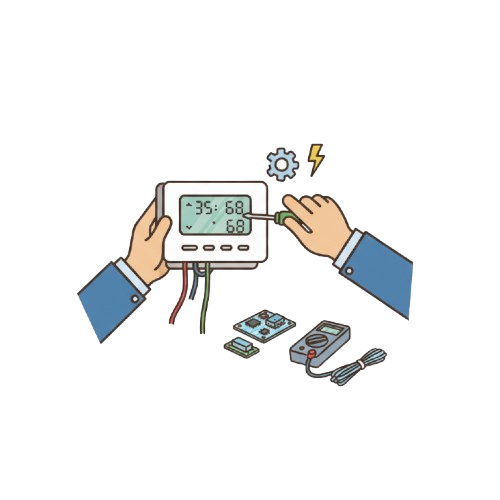
It turned out to be a thermostat issue which they repaired on the spot.
Quick service and solid work all around.

Had an issue with our commercial refrigeration system and these guys fixed it fast. Their quick service and great communication made a stressful situation super easy. Definitely sticking with them for future maintenance.

Had an issue with our commercial refrigeration system and these guys fixed it fast. Their quick service and great communication made a stressful situation super easy. Definitely sticking with them for future maintenance.

Got a refrigerant leak detected and repaired by Pavel’s team. They found the issue fast and made sure there were no other hidden problems. The service was smooth and the price made sense.

Our warehouse cooler needed compressor repair and Pavel’s crew handled it like pros. They showed up with all the appropriate equipment and didn’t waste any time. The pricing was fair and the system has been running flawlessly since.

People Also Ask
The cost to replace an AC compressor varies significantly based on the system type, location, and labor rates. For a residential central air system, homeowners can typically expect a total cost between $1,200 and $2,800, with a common range of $1,500 to $2,200. This includes the compressor unit itself (often $600-$1,200) and professional labor for installation, recovery of the old refrigerant, system evacuation, and recharging. For luxury brands, complex systems, or vehicles, costs can exceed $3,000. It is rarely a standalone repair; the failing compressor often contaminates the system with metal debris, necessitating a parallel replacement of the accumulator/drier and sometimes the condenser, which increases the price. Always get a detailed, written estimate from a certified technician, as proper warranty support depends on a complete system flush and correct installation procedures.
The $5000 rule for AC is a general industry guideline used to help decide between repairing an existing air conditioning system or replacing it entirely. The rule suggests that if the cost of a needed repair multiplied by the age of the AC unit (in years) exceeds $5,000, then replacement is often the more cost-effective long-term choice. For example, a $1,000 repair on a 10-year-old unit (1,000 x 10 = 10,000) would point toward replacement. This rule factors in the diminishing returns of investing in older equipment that may be less efficient and prone to further failures. It is a helpful starting point, but a professional technician should also consider the system's overall condition, efficiency rating, and your specific cooling needs before making a final recommendation.
The decision to repair or replace an AC compressor hinges on several factors. A compressor is the heart of the system, and its replacement is a major, costly repair. If the unit is under 10 years old and the rest of the system is in good condition, a compressor replacement can be a sound investment, effectively giving the system a new lease on life. However, if the system is older, uses R-22 refrigerant (which is phased out and expensive), or has other failing components like the coil, a full system replacement is often more cost-effective in the long run. A new unit offers significantly improved energy efficiency, reliability, and comes with a full manufacturer's warranty, whereas a repaired older system may continue to have issues. A professional technician can provide a detailed cost-benefit analysis for your specific situation.
The most common problem with an AC compressor is failure due to electrical issues or mechanical wear. Electrical failures often stem from issues like a bad capacitor, which prevents the compressor from starting correctly, or voltage problems that cause the motor windings to burn out. Mechanical failures typically result from a loss of lubrication, often caused by refrigerant leaks, leading to seized internal components. Another frequent issue is a compressor that is short-cycling, which puts excessive strain on the unit and is usually a symptom of an underlying problem elsewhere in the system. Regular professional maintenance is crucial to prevent these failures. For a deeper understanding of how refrigerant loss impacts the compressor, refer to our internal article Sealed System Leak Detection: Early Warning Signs.
For compressor repair and replacement services in College Park, it is crucial to contact a licensed, EPA-certified HVAC technician. A professional will first perform a thorough diagnostic to determine if a repair is viable or if a full replacement is necessary. Factors like the compressor's age, the cost of repair versus replacement, and the refrigerant type are all critical considerations. For replacement, they will ensure the new compressor is correctly matched to your system's specifications and that all refrigerant is handled according to strict environmental regulations. Always request a detailed written estimate that includes labor, parts, and any warranty information before authorizing any work.
Air compressor repair and replacement services in College Park involve diagnosing issues like pressure drops, unusual noises, or motor failures. Technicians typically check for leaks, faulty valves, worn pistons, and electrical problems. For repair, they may clean or replace components such as filters, belts, and pressure switches. If the unit is old, inefficient, or has major damage like a seized compressor, replacement is often recommended. It's crucial to choose a certified HVAC/R service provider who can handle the specific refrigerant and pressure requirements of your system, ensuring compliance with EPA regulations and proper disposal of the old unit. Regular maintenance can prevent costly breakdowns.
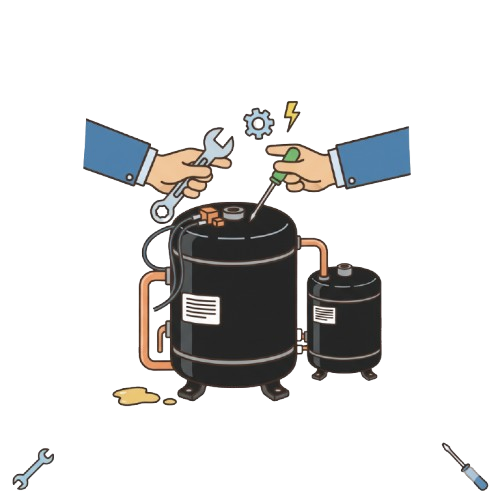
Pavel Refrigerant Services provides expert electric compressor repair and replacement for commercial and residential systems in College Park. Our certified technicians diagnose issues such as electrical failures, seized components, or refrigerant circuit problems. We follow industry standards, ensuring proper evacuation, refrigerant recovery, and system pressure testing. For replacement, we match the new compressor's specifications to the existing system's capacity and refrigerant type, which is critical for efficiency and longevity. We prioritize timely service to minimize downtime, especially for commercial clients. All work includes a warranty, and we ensure compliance with EPA regulations regarding refrigerants. For complex repairs, a system evaluation is recommended to assess cost-effectiveness versus replacement.
For compressor repair and replacement services in College Park, costs vary significantly based on the HVAC system type, compressor size, and labor. A typical residential compressor repair might range from $200 to $600, while a full replacement can cost between $1,200 and $2,800 or more, including parts and labor. Commercial systems are substantially higher. Always obtain a detailed written estimate from a licensed, EPA-certified technician. Factors influencing cost include the refrigerant type (like R-410A), system accessibility, and whether other components (like the condenser coil) also need service. Investing in a quality replacement from a reputable brand with a good warranty is often more cost-effective long-term than repeated repairs on an aging unit.