




We hired them to do a complete kitchen and two bathrooms renovation. They were extremely professional, kept us within budget, and finished early. The communication was excellent; they kept us updated daily, and the entire experience was stress-free. The workmanship is beautiful. Highly recommend this remodeling and construction company.


Skilled technicians diagnosing issues quickly and performing reliable repairs.

We hired them to do a complete kitchen and two bathrooms renovation. They were extremely professional, kept us within budget, and finished early. The communication was excellent; they kept us updated daily, and the entire experience was stress-free. The workmanship is beautiful. Highly recommend this remodeling and construction company.

They have great service They fix my walking refrigerator They got here on time and it worked great after the service they did to my restaurant refrigerator I recommend them to friends that has restaurants

Pavel was called on an emergency service on a Saturday morning and came out to fix a walk-in freezer that was recently installed at our restaurant. The freezer was icing over and the temperature was rising inside. Since this could not wait, he came out and identified the issue and fixed it properly. On that same night, he even came back to ensure the unit was working properly and holding deep-freezer temperatures. Pavel went above and beyond for our restaurant and we are very happy with his service. Our restaurant recommends him!

Our bar cooler wasn’t keeping temp and the guys from Pavel Refrigerant Services figured it out right away.
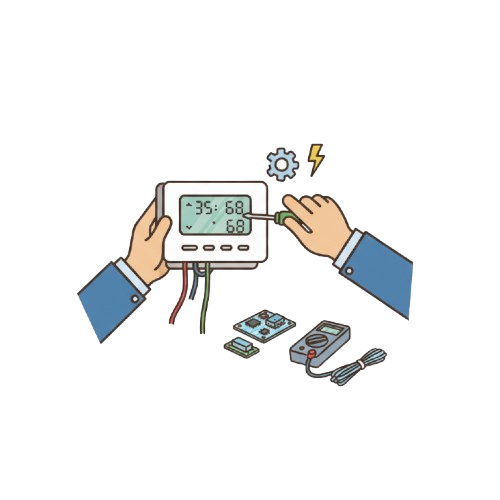
It turned out to be a thermostat issue which they repaired on the spot.
Quick service and solid work all around.

Had an issue with our commercial refrigeration system and these guys fixed it fast. Their quick service and great communication made a stressful situation super easy. Definitely sticking with them for future maintenance.

Had an issue with our commercial refrigeration system and these guys fixed it fast. Their quick service and great communication made a stressful situation super easy. Definitely sticking with them for future maintenance.

Got a refrigerant leak detected and repaired by Pavel’s team. They found the issue fast and made sure there were no other hidden problems. The service was smooth and the price made sense.

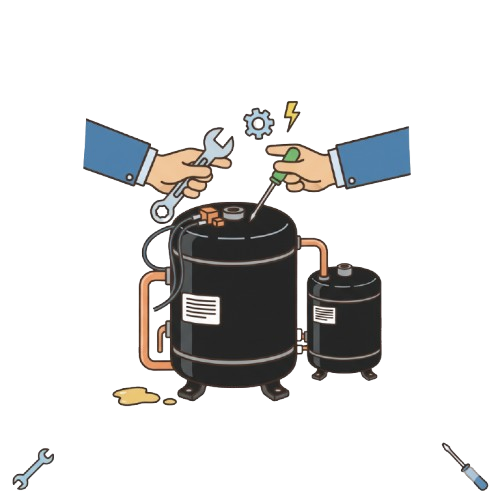
Our warehouse cooler needed compressor repair and Pavel’s crew handled it like pros. They showed up with all the appropriate equipment and didn’t waste any time. The pricing was fair and the system has been running flawlessly since.

People Also Ask
The cost to replace an AC compressor varies significantly, typically ranging from $800 to $2,800 for a residential central air system, with an average around $1,500. This wide range depends on several key factors. The primary cost is the compressor unit itself, which can be $400 to $1,200. Labor for the complex replacement, which involves recovering refrigerant, brazing, and recharging the system, adds $500 to $1,500. The total is also influenced by your system's tonnage, the accessibility of the unit, and whether you replace just the compressor or the entire condensing unit for better long-term reliability. Always get multiple estimates from licensed HVAC technicians, as a proper installation with a warranty is crucial.
The $5000 rule for air conditioning is a general industry guideline used to estimate whether it is more cost-effective to repair an existing AC unit or replace it entirely. The rule suggests that if the cost of a needed repair multiplied by the age of the unit (in years) exceeds $5,000, then replacement is often the more prudent financial decision. For example, a $1,000 repair on a 10-year-old unit (1,000 x 10 = 10,000) would point toward replacement. This heuristic helps homeowners weigh long-term efficiency, reliability, and rising energy costs against a significant upfront repair bill. It is a starting point; a professional technician should also assess the system's overall condition, refrigerant type (e.g., R-22 phase-out), and efficiency rating to provide a definitive recommendation.
The decision to repair or replace an AC compressor hinges on several key factors. A compressor is the heart of the system, and its replacement is a major, costly repair. If the unit is under 10 years old and the failure is isolated, a repair might be cost-effective. However, if the compressor failure has contaminated the system with acid or metal debris, or if the unit is older and uses R-22 refrigerant (which is obsolete and expensive), replacement of the entire outdoor unit or full system is often the wiser long-term investment. Modern systems offer significantly higher energy efficiency, which can offset the initial cost through lower utility bills. A professional technician can perform a detailed assessment, factoring in the age of the equipment, the cause of failure, and the cost comparison between a major repair and a new system installation.
The "3-minute rule" for air conditioning refers to a critical safety practice for compressor protection. It mandates waiting at least three minutes after turning off an AC system before turning it back on. This interval is necessary to allow the refrigerant pressures in the system to equalize. If the compressor is restarted immediately, it can be subjected to a high-pressure differential, causing immense strain. This condition, known as "short cycling," can lead to compressor damage, electrical failure, and a significantly shortened system lifespan. Adhering to this rule is a fundamental industry standard for both residential and commercial units, ensuring reliable operation and preventing costly repairs. Technicians always observe this rule during service and testing procedures.