

Protecting Your Cooling Systems from the Inside Out
The initial line of defense of any refrigeration system is the use of a strong seal. Worn door gaskets cause loss of cool air, overworked compressors and increased energy bills. Our qualified technicians will offer the accurate replacement of the gaskets with the durable and industry quality materials which ensure the perfect fit. Every installation is performed with precision in order to recreate complete insulation and reliable cooling functionality.

Reliable Results That Stand the Test of Time
All our replacements are oriented towards efficiency and reliability in the long term. When we do the testing, we align and check all of our seals to assure that they are in contact and that they will perform consistently. It could be a commercial freezer, walk-in cooler or display unit, we always provide airtight solutions that keep your systems performing optimally and your products maintaining ideal temperatures.
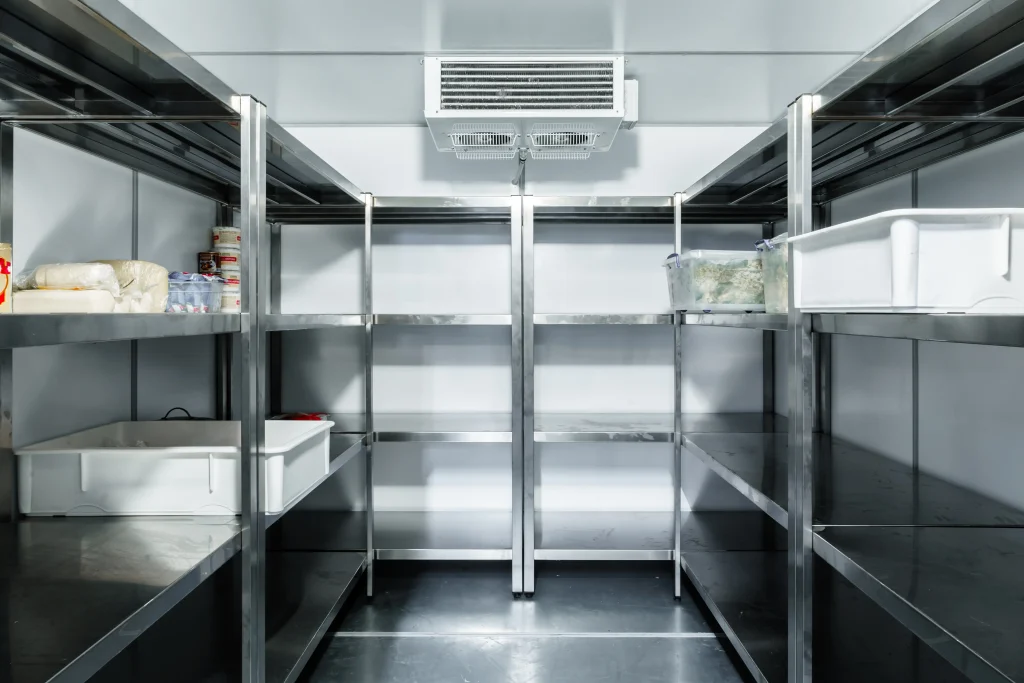

Evaluate Existing Seals and Identify Leaks
We inspect doors for cracks, leaks, and misalignment affecting cooling.

Remove Worn or Damaged Gaskets
We carefully remove old gaskets to prepare for proper fitting.

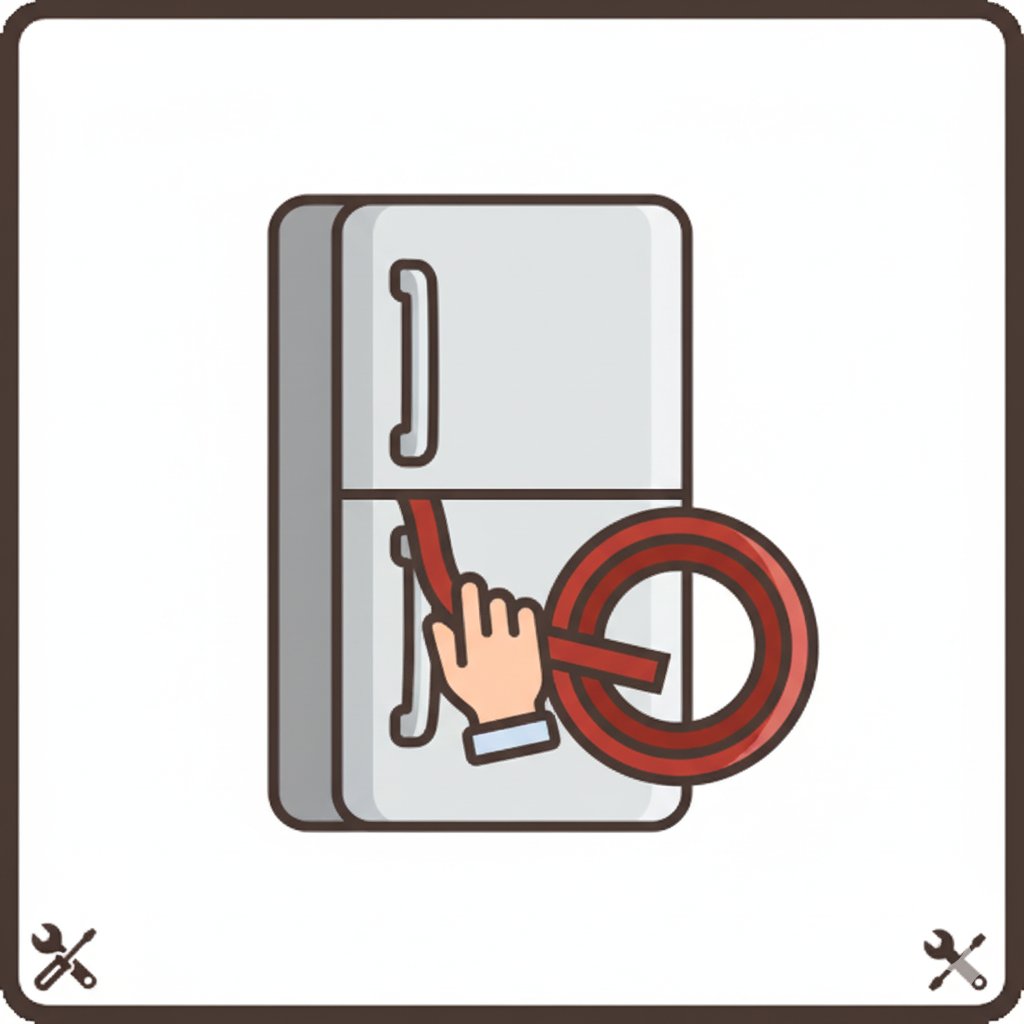
Fit and Install New Gaskets
We install high-quality gaskets for perfect fit and full sealing.

Final Adjustment and Maintenance Guidance
We align doors and give tips to keep gaskets leak-free longer.

We hired them to do a complete kitchen and two bathrooms renovation. They were extremely professional, kept us within budget, and finished early. The communication was excellent; they kept us updated daily, and the entire experience was stress-free. The workmanship is beautiful. Highly recommend this remodeling and construction company.


Skilled technicians diagnosing issues quickly and performing reliable repairs.

We hired them to do a complete kitchen and two bathrooms renovation. They were extremely professional, kept us within budget, and finished early. The communication was excellent; they kept us updated daily, and the entire experience was stress-free. The workmanship is beautiful. Highly recommend this remodeling and construction company.

They have great service They fix my walking refrigerator They got here on time and it worked great after the service they did to my restaurant refrigerator I recommend them to friends that has restaurants

Pavel was called on an emergency service on a Saturday morning and came out to fix a walk-in freezer that was recently installed at our restaurant. The freezer was icing over and the temperature was rising inside. Since this could not wait, he came out and identified the issue and fixed it properly. On that same night, he even came back to ensure the unit was working properly and holding deep-freezer temperatures. Pavel went above and beyond for our restaurant and we are very happy with his service. Our restaurant recommends him!

Our bar cooler wasn’t keeping temp and the guys from Pavel Refrigerant Services figured it out right away.
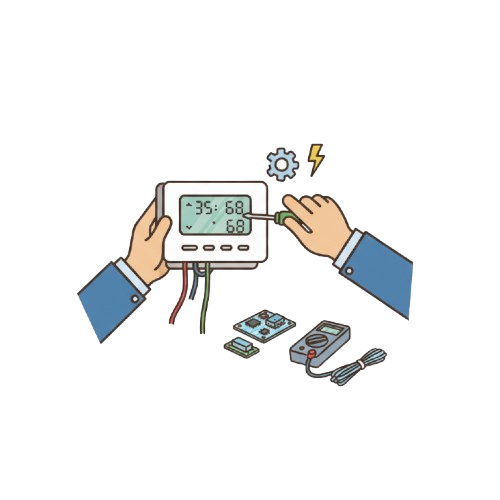
It turned out to be a thermostat issue which they repaired on the spot.
Quick service and solid work all around.

Had an issue with our commercial refrigeration system and these guys fixed it fast. Their quick service and great communication made a stressful situation super easy. Definitely sticking with them for future maintenance.

Had an issue with our commercial refrigeration system and these guys fixed it fast. Their quick service and great communication made a stressful situation super easy. Definitely sticking with them for future maintenance.

Got a refrigerant leak detected and repaired by Pavel’s team. They found the issue fast and made sure there were no other hidden problems. The service was smooth and the price made sense.

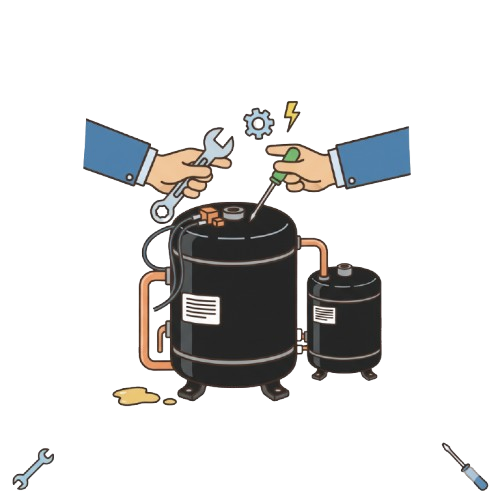
Our warehouse cooler needed compressor repair and Pavel’s crew handled it like pros. They showed up with all the appropriate equipment and didn’t waste any time. The pricing was fair and the system has been running flawlessly since.


Related Articles
Door Seal and Gasket Replacement in Greenbelt, MD
Door Seal and Gasket Replacement in Olney, MD
Door Seal and Gasket Replacement in Germantown, MD
People Also Ask
The cost to replace refrigerator door seals (gaskets) varies significantly based on the appliance brand, model, and labor rates in your area. Typically, the parts themselves range from $50 to $200. Professional installation, which is highly recommended for a proper, airtight fit, can add another $100 to $250 to the total. A failed seal is a common issue that leads to energy waste and frost buildup, making timely replacement crucial. For a detailed guide on the importance of this repair and the process involved, please refer to our internal resource Door Seal and Gasket Replacement. Always consult with a certified technician for an accurate quote specific to your refrigerator.
Replacing a refrigerator door gasket yourself is often a feasible DIY project that can save on service costs. The key is ensuring you purchase the exact model-specific replacement part. The process typically involves carefully removing the old gasket from its channel, often held by a retaining wire or screws, and then meticulously fitting the new one, working from the corners inward to avoid wrinkles. It's crucial to follow manufacturer instructions and ensure the door is properly aligned afterward for a tight seal. For a detailed, step-by-step guide on this process and important alignment checks, refer to our internal resource Door Seal and Gasket Replacement. A successful replacement restores cooling efficiency and prevents moisture and frost buildup.
In commercial refrigeration, the terms "door seal" and "door gasket" are often used interchangeably to refer to the flexible, magnetic component that creates an airtight closure on a walk-in cooler, freezer, or reach-in unit. Technically, the gasket is the entire assembly, which includes the magnetic strip and the vinyl or rubber bulb that compresses against the frame. The seal more specifically refers to the critical interface where that gasket meets the cabinet, ensuring no air leaks. A compromised seal or worn gasket leads to energy loss, frost buildup, and compressor strain. Regular inspection and prompt replacement are essential. For a detailed guide on maintenance and replacement procedures, refer to our internal article Door Seal and Gasket Replacement.
A failing refrigerator door gasket presents several clear signs. The most common is visible wear, such as cracks, tears, or brittleness in the rubber. You may also notice condensation or frost buildup around the door frame, indicating warm, moist air is entering. The refrigerator may run longer and more frequently as it struggles to maintain temperature, leading to higher energy bills. A simple test is to close the door on a dollar bill; if it slides out easily, the seal is compromised. For a detailed guide on diagnosis and the importance of timely action, refer to our internal resource Door Seal and Gasket Replacement. A proper seal is crucial for efficiency and food safety.
A refrigerator door seal, or gasket, is a critical component for maintaining energy efficiency and food safety. The side sections are particularly prone to wear and tear from frequent opening and closing. Common issues include tears, brittleness from cold, or a buildup of mold and debris that prevents a tight seal. To check it, close the door on a piece of paper; if it pulls out easily, the seal is compromised. For maintenance, regularly clean the entire gasket with warm, soapy water and dry thoroughly. If damaged, replacement is necessary. A proper seal ensures the unit maintains the correct temperature, reduces energy consumption, and prevents frost buildup. Always use a manufacturer-approved replacement part for the best fit and performance.