








In my garage I have a big commercial refrigerator that it stopped too cool and it is. I called to Pavel refrigerant services. They came very fast. They fix the problem. The system started to cool again and the price was very reasonable. Very recommend.


These folks installed a new commercial refrigeration system for our kitchen last month. The installation went smoothly and they clearly knew their stuff. I really appreciated how professional yet easygoing the crew was.

Pavel is a terrific refrigerator/freezer/walk-in cooler resource! Not only prompt, courteous and efficient, his superior knowledge of the problem saved us a great deal of headache and extra expense. Thank you Pavel for your help, we look forward to seeing you again!
Team Flavor Hive – Rockville
Pavel is a terrific refrigerator/freezer/walk-in cooler resource! Not only prompt, courteous and efficient, his superior knowledge of the problem saved us a great deal of headache and extra expense. Thank you Pavel for your help, we look forward to seeing you again!
Team Flavor Hive – Rockville

Pavel Refrigerant Services was outstanding! They arrived promptly diagnosed the issue and had all the equipment to fix the problem right on the spot. The service was reasonably priced and the tech was very professional.
Pavel Refrigerant Services was outstanding! They arrived promptly diagnosed the issue and had all the equipment to fix the problem right on the spot. The service was reasonably priced and the tech was very professional.

Pavel Refrigerant Services really saved the day for our restaurant! Our commercial fridge broke down unexpectedly, and they had it up and running in no time. Super grateful for their prompt and expert service.
Pavel Refrigerant Services really saved the day for our restaurant! Our commercial fridge broke down unexpectedly, and they had it up and running in no time. Super grateful for their prompt and expert service.

As a restaurant owner with two locations, it’s very hard to find reliable technicians.
We had an ongoing issue with an expensive walk-in refrigerator that several technicians failed to fix.
A customer recommended Pavel, and he solved the problem properly. It’s been over a year and a half with no issues since.
Since then, he handles all our refrigeration and AC needs. Reliable, professional, and highly recommended.
As a restaurant owner with two locations, it’s very hard to find reliable technicians.
We had an ongoing issue with an expensive walk-in refrigerator that several technicians failed to fix.
A customer recommended Pavel, and he solved the problem properly. It’s been over a year and a half with no issues since.
Since then, he handles all our refrigeration and AC needs. Reliable, professional, and highly recommended.

People Also Ask
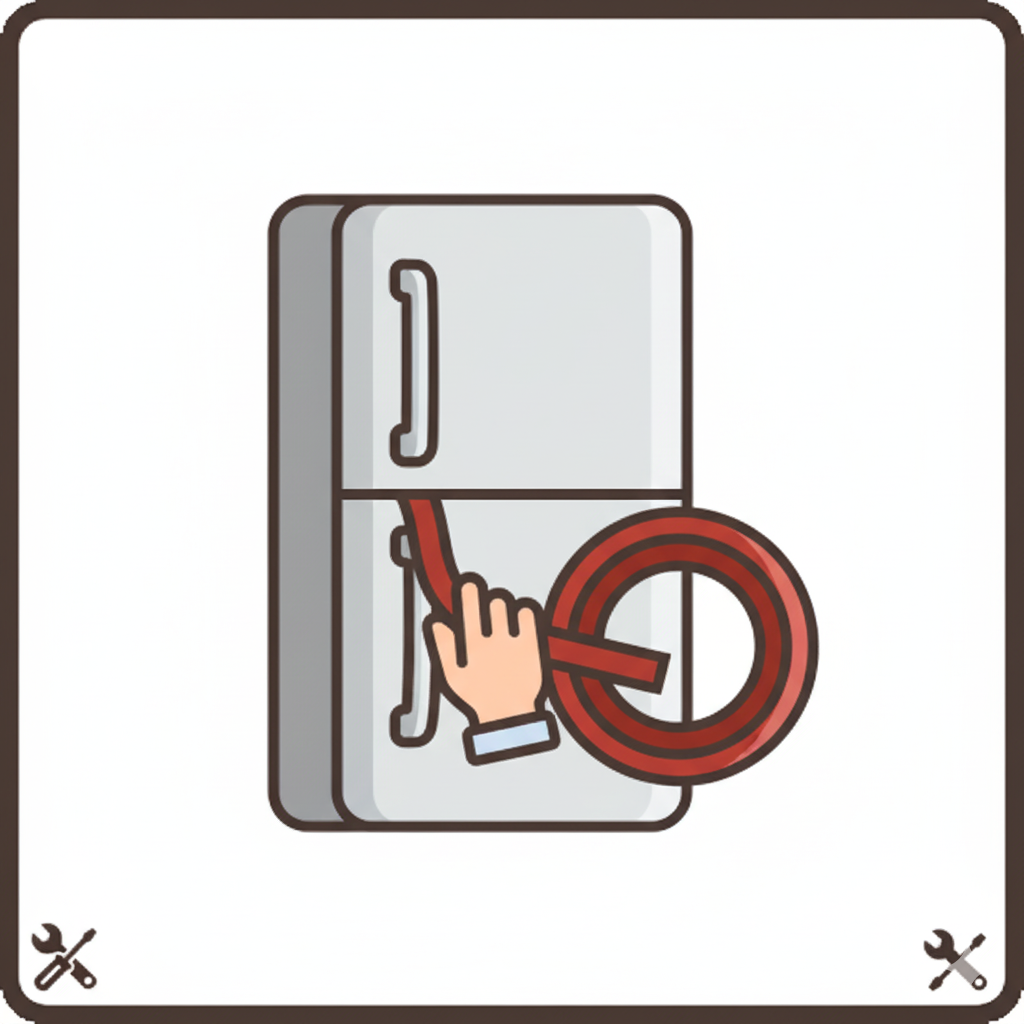
Replacing the front door seal and gasket on a commercial refrigerator or freezer in Bethesda is a critical maintenance task to ensure energy efficiency and food safety. A worn or damaged seal allows warm, moist air to enter, forcing the unit to work harder, increasing energy costs, and risking temperature fluctuations that can spoil inventory. The process involves identifying the correct replacement part for the specific make and model, thoroughly cleaning the door frame, and carefully installing the new gasket to ensure a complete, airtight seal. For businesses, hiring a certified technician from a local service like Pavel Refrigerant Services ensures the job is done correctly, complies with local health codes, and helps prevent future costly repairs or compressor failure due to overwork.
Replacing interior door seals and gaskets in Bethesda involves ensuring a tight seal to improve energy efficiency, reduce noise, and prevent drafts. The process typically includes removing the old gasket material, cleaning the channel thoroughly, and installing a new, pliable seal. For professional service, it is crucial to select the correct gasket type—such as bulb, foam, or magnetic—that matches the door's design and local climate needs. Proper installation is key to preventing air leakage. In Bethesda's variable climate, a high-quality seal helps maintain consistent indoor temperatures, potentially lowering heating and cooling costs while enhancing overall comfort.
Replacing the exterior door seal and gasket is a critical maintenance task for energy efficiency and weather protection in Bethesda's climate. The primary goal is to eliminate drafts, prevent moisture intrusion, and improve HVAC system performance. The process involves removing the old, cracked, or compressed weatherstripping from the door frame and threshold. It is essential to select the correct type and size of replacement gasket—common materials include vinyl, rubber, or silicone. Proper installation requires a clean, dry surface and careful alignment to ensure a complete seal when the door is closed. For optimal results, especially on complex or historic doors, consulting a professional ensures the job meets local building standards and provides long-term durability against seasonal temperature swings.