

Safe, and Dependable Electrical and Wiring Repairs Solutions
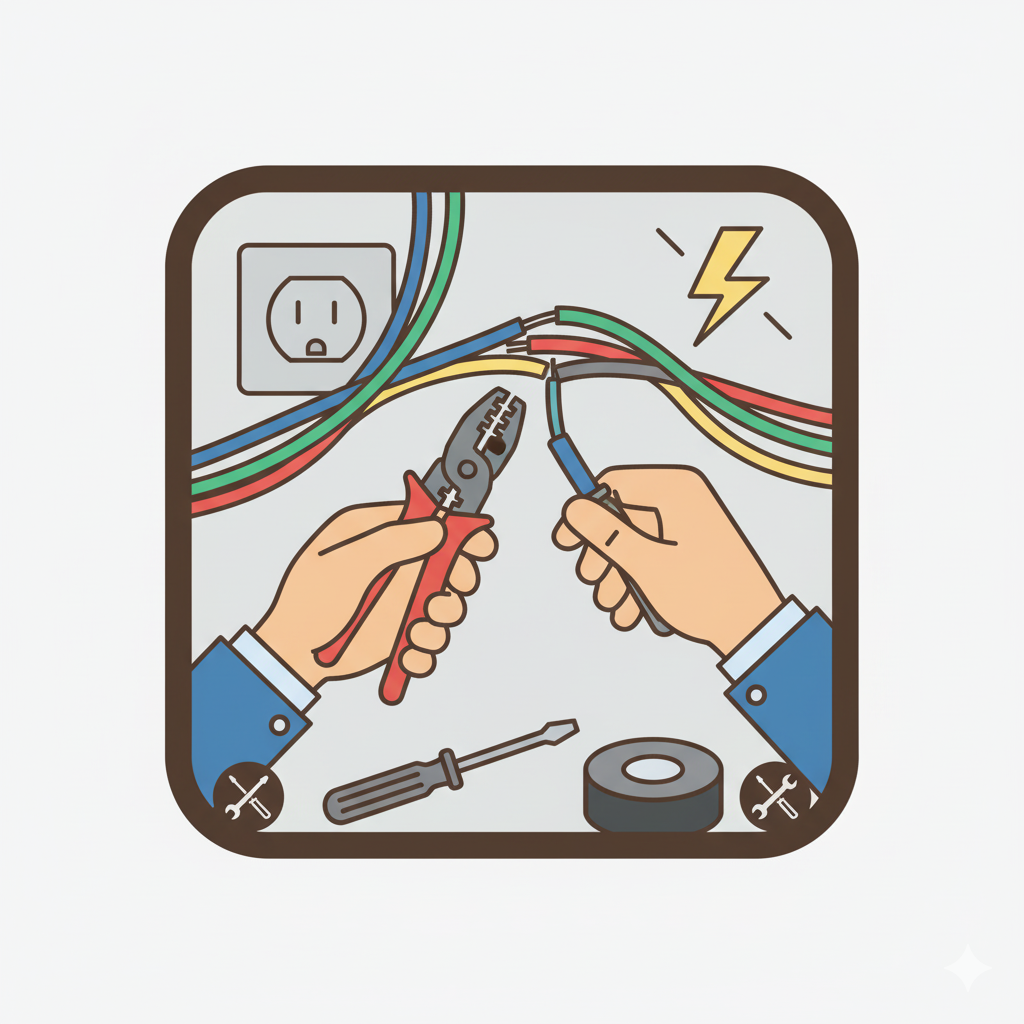
It is not only performance that can be jeopardized in electrical failures, but your bottom line, product quality and even safety itself can also be at stake. Our fully qualified technicians will identify and fix faults like frayed wiring, short circuiting, tripped breakers and power interruptions. All repairs are done with accuracy and attention, so not to interfere with your running systems, and hence having a safe, efficient, and uninterrupted running of your systems.

Maintaining Stability, Effectiveness, and Sustainable Confidence
We do not simply fix electrical issues, we make your system stronger so that it will last long. Circuits are comprehensively tested, and balance of voltages is ensured after every service and system integrity checked under actual operating conditions by our experts. When we replace burned connectors or rewiring control panels, we guarantee that all of the components are professionally crafted to meet the professional safety.


Find and Identify the Source of The Leak
We analyze pressure, temperature, and efficiency to detect early leaks.

Repair and Replace Faulty Wiring
We use sensors and tracer tests to pinpoint leaks accurately.

Recover and Rebuild System Integrity
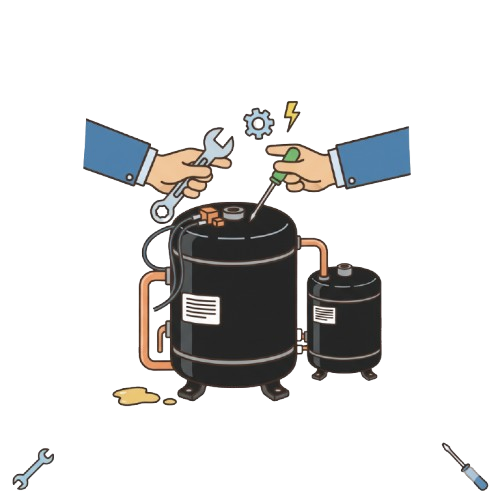
We repair or replace parts, fix leaks, and refill refrigerant.

Test, Calibrate, and Verify Efficiency
We finish with testing to ensure leak-free, efficient, long-lasting operation.

We hired them to do a complete kitchen and two bathrooms renovation. They were extremely professional, kept us within budget, and finished early. The communication was excellent; they kept us updated daily, and the entire experience was stress-free. The workmanship is beautiful. Highly recommend this remodeling and construction company.


Skilled technicians diagnosing issues quickly and performing reliable repairs.

We hired them to do a complete kitchen and two bathrooms renovation. They were extremely professional, kept us within budget, and finished early. The communication was excellent; they kept us updated daily, and the entire experience was stress-free. The workmanship is beautiful. Highly recommend this remodeling and construction company.

They have great service They fix my walking refrigerator They got here on time and it worked great after the service they did to my restaurant refrigerator I recommend them to friends that has restaurants

Pavel was called on an emergency service on a Saturday morning and came out to fix a walk-in freezer that was recently installed at our restaurant. The freezer was icing over and the temperature was rising inside. Since this could not wait, he came out and identified the issue and fixed it properly. On that same night, he even came back to ensure the unit was working properly and holding deep-freezer temperatures. Pavel went above and beyond for our restaurant and we are very happy with his service. Our restaurant recommends him!

Our bar cooler wasn’t keeping temp and the guys from Pavel Refrigerant Services figured it out right away.
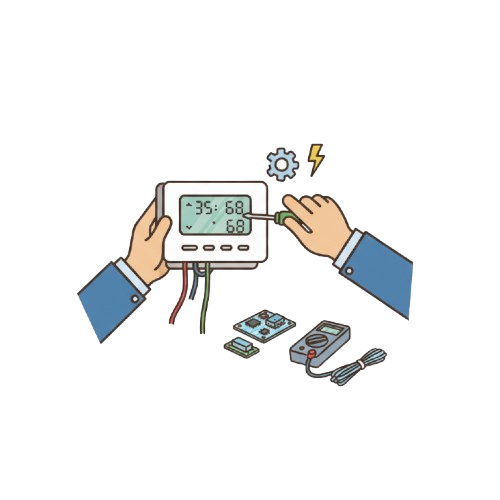
It turned out to be a thermostat issue which they repaired on the spot.
Quick service and solid work all around.

Had an issue with our commercial refrigeration system and these guys fixed it fast. Their quick service and great communication made a stressful situation super easy. Definitely sticking with them for future maintenance.

Had an issue with our commercial refrigeration system and these guys fixed it fast. Their quick service and great communication made a stressful situation super easy. Definitely sticking with them for future maintenance.

Got a refrigerant leak detected and repaired by Pavel’s team. They found the issue fast and made sure there were no other hidden problems. The service was smooth and the price made sense.

Our warehouse cooler needed compressor repair and Pavel’s crew handled it like pros. They showed up with all the appropriate equipment and didn’t waste any time. The pricing was fair and the system has been running flawlessly since.


Related Articles
People Also Ask
The cost for an electrician to fix wiring varies widely based on the job's complexity and location. Simple repairs, like replacing an outlet or switch, typically range from $150 to $300. More extensive work, such as diagnosing and repairing a faulty circuit or rewiring a section of a room, can cost between $500 and $2,000. For a full home rewiring, costs can escalate to $8,000 or more. Factors influencing price include labor rates, which average $50 to $100 per hour, the cost of materials, and the need for permits. Always obtain multiple detailed quotes from licensed and insured professionals to ensure a fair price and compliance with local electrical codes.
The cost of a wiring job in HVAC or refrigeration systems varies widely based on the project's complexity and scope. For a simple repair or replacement of a single component's wiring, you might expect a cost in the range of $150 to $400, which includes labor and materials. For more extensive work, such as installing a new control system or rewiring an entire unit due to damage, costs can range from $500 to over $2,000. The final price depends on factors like the system's accessibility, the type of wire and connectors required, local labor rates, and whether any diagnostic work is needed first. Always obtain a detailed, itemized estimate from a licensed professional before proceeding.
An electrician and an electrical fitter are both skilled tradespeople in the electrical industry, but their primary roles differ. An electrician typically focuses on installing, maintaining, and repairing electrical systems in buildings and structures. This includes wiring, circuit breakers, lighting, and ensuring compliance with safety codes. An electrical fitter, often found in industrial or manufacturing settings, specializes in assembling, installing, and maintaining electrical machinery and control systems, such as motors, switchboards, and production line equipment. While there is overlap, electricians are more associated with construction and fixed installations, whereas fitters concentrate on machinery and often work in workshops or factories. Both require rigorous training and adherence to strict safety standards.
A person who fixes wires is typically called an electrician. This professional specializes in installing, maintaining, and repairing electrical wiring systems in residential, commercial, and industrial settings. Their work ensures the safe and efficient distribution of electricity, adhering to strict building codes and safety standards. For specialized contexts, such as telecommunications or data networks, a low-voltage technician or network cabling specialist might handle specific types of wiring. In the HVACR industry, which includes refrigeration and air conditioning, technicians also work extensively with electrical wiring for controls, motors, and compressors, requiring a deep understanding of electrical principles to troubleshoot and repair systems effectively.
The cost of electrical and wiring repairs for HVAC systems varies significantly based on the job's complexity and the parts required. A simple fix, like replacing a faulty capacitor or contactor, may cost between $150 and $400. More extensive work, such as repairing a damaged low-voltage control wiring harness or addressing issues within the main electrical panel, can range from $500 to over $1,200. Labor rates, regional pricing, and whether the repair is emergency or scheduled also heavily influence the final price. For a detailed breakdown of common electrical issues and their implications, please refer to our internal guide on Electrical and Wiring Repairs. Always ensure repairs are performed by a certified technician to guarantee safety and system integrity.
For professional home electrical repair services, it is crucial to hire a licensed and insured electrician. Common services include troubleshooting faulty outlets, repairing light fixtures, installing ceiling fans, and upgrading circuit breakers. Safety is paramount; never attempt major repairs yourself due to risks of shock or fire. A qualified technician will ensure all work complies with the National Electrical Code (NEC). For complex issues involving appliance circuits or control systems, specialized diagnostic tools are often required. We strongly recommend reviewing our detailed internal guide on Electrical and Wiring Repairs for more information on safe practices and common repair scenarios. Always get multiple quotes and verify credentials before proceeding with any electrical work.
Electrical repair and maintenance are critical for the safe and efficient operation of refrigeration and air conditioning systems. This involves inspecting and servicing components like contactors, capacitors, relays, and control boards to prevent system failures. Technicians must adhere to strict safety protocols, including verifying power is disconnected and using proper personal protective equipment. Regular maintenance checks on wiring connections, voltage levels, and motor amperage can identify potential issues like loose terminals or overloaded circuits before they cause major breakdowns. For a deeper dive into specific procedures and safety standards, we recommend reviewing our internal resource, Electrical and Wiring Repairs. Proper electrical care ensures system longevity, energy efficiency, and operational safety.