



We hired them to do a complete kitchen and two bathrooms renovation. They were extremely professional, kept us within budget, and finished early. The communication was excellent; they kept us updated daily, and the entire experience was stress-free. The workmanship is beautiful. Highly recommend this remodeling and construction company.


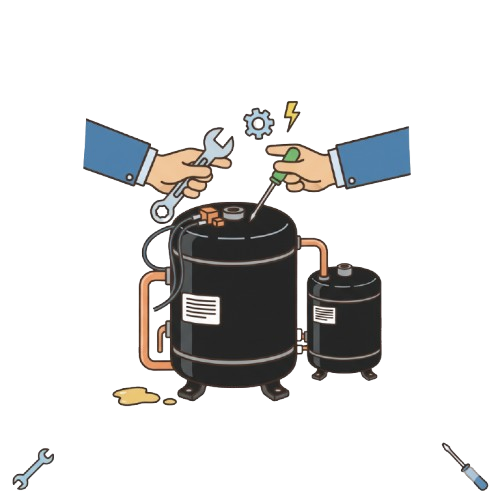
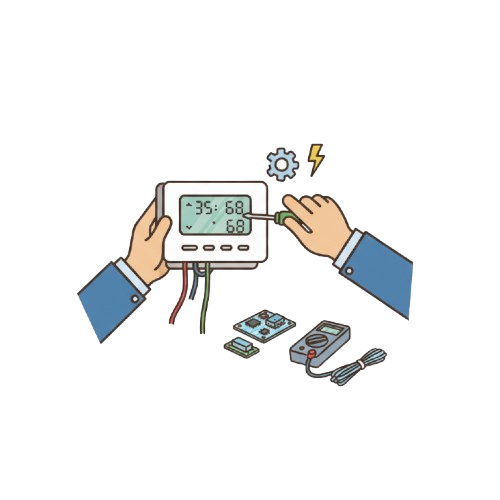
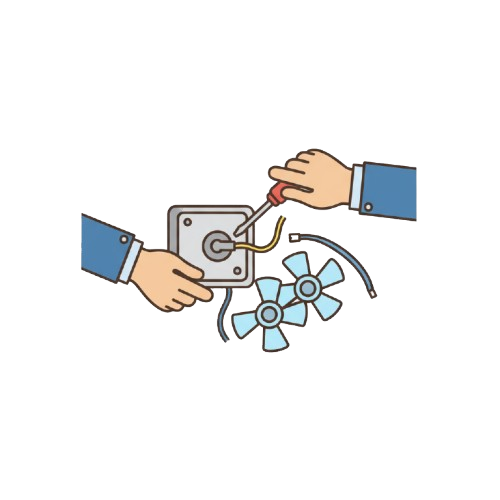
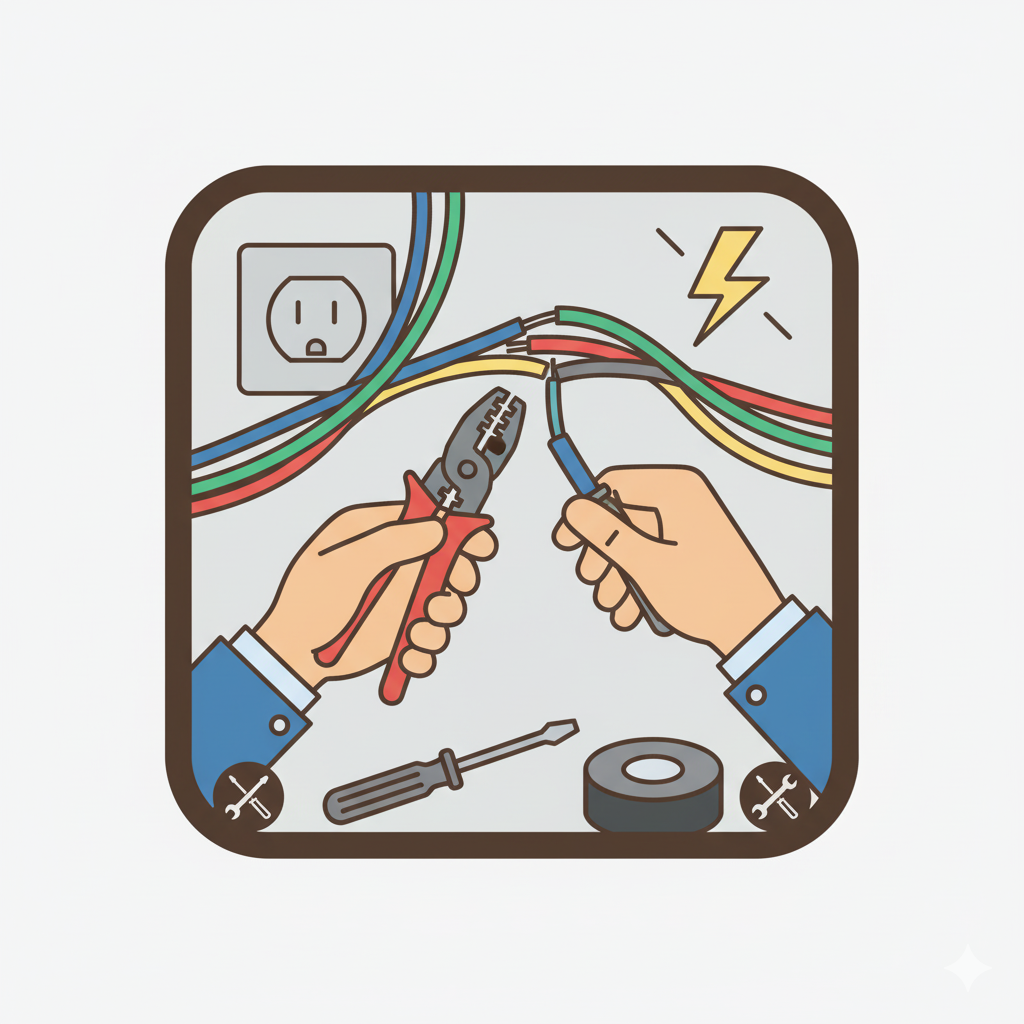
Skilled technicians diagnosing issues quickly and performing reliable repairs.

We hired them to do a complete kitchen and two bathrooms renovation. They were extremely professional, kept us within budget, and finished early. The communication was excellent; they kept us updated daily, and the entire experience was stress-free. The workmanship is beautiful. Highly recommend this remodeling and construction company.

They have great service They fix my walking refrigerator They got here on time and it worked great after the service they did to my restaurant refrigerator I recommend them to friends that has restaurants

Pavel was called on an emergency service on a Saturday morning and came out to fix a walk-in freezer that was recently installed at our restaurant. The freezer was icing over and the temperature was rising inside. Since this could not wait, he came out and identified the issue and fixed it properly. On that same night, he even came back to ensure the unit was working properly and holding deep-freezer temperatures. Pavel went above and beyond for our restaurant and we are very happy with his service. Our restaurant recommends him!

Our bar cooler wasn’t keeping temp and the guys from Pavel Refrigerant Services figured it out right away.
It turned out to be a thermostat issue which they repaired on the spot.
Quick service and solid work all around.

Had an issue with our commercial refrigeration system and these guys fixed it fast. Their quick service and great communication made a stressful situation super easy. Definitely sticking with them for future maintenance.

Had an issue with our commercial refrigeration system and these guys fixed it fast. Their quick service and great communication made a stressful situation super easy. Definitely sticking with them for future maintenance.

Got a refrigerant leak detected and repaired by Pavel’s team. They found the issue fast and made sure there were no other hidden problems. The service was smooth and the price made sense.

Our warehouse cooler needed compressor repair and Pavel’s crew handled it like pros. They showed up with all the appropriate equipment and didn’t waste any time. The pricing was fair and the system has been running flawlessly since.

Related Articles
People Also Ask
The hourly rate for electricians varies significantly based on location, experience, and job complexity. On average, residential electricians in the United States charge between $50 and $100 per hour. In high-cost metropolitan areas, rates can exceed $150 per hour. For commercial or industrial work, rates are typically higher due to the specialized skills and equipment required. Many electricians also offer flat-rate pricing for specific, well-defined projects like installing a ceiling fan or outlet, which can be more predictable for budgeting. It's always advisable to obtain multiple detailed estimates that outline labor rates, potential material costs, and the project scope to ensure a fair price and avoid unexpected charges.
An electrician and an electrical fitter are both skilled tradespeople in the electrical industry, but their primary roles differ. An electrician typically focuses on installing, maintaining, and repairing electrical systems in buildings and structures. This includes wiring, circuit breakers, lighting, and ensuring compliance with safety codes. An electrical fitter, often found in industrial or manufacturing settings, specializes in assembling, installing, and maintaining electrical machinery and control systems, such as motors, switchboards, and production line equipment. While there is overlap, electricians are more associated with construction and fixed installations, whereas fitters are geared towards manufacturing and heavy machinery. Both require rigorous training and adherence to safety standards.
Common electrical problems in homes often stem from aging infrastructure, improper installations, or overloaded circuits. Frequent issues include tripping circuit breakers, which typically indicate an overloaded circuit or a short circuit. Flickering lights can point to loose connections or faulty fixtures. Dead outlets are common and may be due to tripped GFCI outlets or wiring issues. Another prevalent problem is outdated wiring, like aluminum or knob-and-tube, which poses fire hazards. Additionally, buzzing sounds from switches or panels often signal loose connections or failing components. For safety, homeowners should address these promptly by consulting a licensed electrician to ensure repairs meet local electrical codes and standards.
A person who repairs electrical systems is most commonly called an electrician. This is a licensed professional trained to install, maintain, and repair electrical wiring, equipment, and fixtures in residential, commercial, and industrial settings. Their work ensures systems are safe, functional, and compliant with electrical codes. For more specialized high-voltage power line work, the title lineworker or powerline technician is used. It is crucial to always hire a qualified and certified electrician for any electrical work, as improper repairs pose serious fire and electrocution hazards. They diagnose issues, from faulty outlets to complex breaker panel problems, using specialized tools and testing equipment.
For electrical and wiring repair services in Wheaton, selecting a reputable provider is crucial for safety and code compliance. Look for licensed, insured contractors with strong local reviews on platforms like Google, Yelp, or Angie's List. Positive reviews often highlight prompt response, clear communication, fair pricing, and thorough work—especially for common services like panel upgrades, outlet installation, or troubleshooting. A professional service should provide detailed estimates, use quality materials, and pull necessary permits. Always verify their specialization; some firms focus on residential, while others handle commercial. For refrigerant-based systems, ensure the technician is EPA-certified. Prioritize companies with a proven track record of safety and customer satisfaction in the Wheaton area.
Tully Electric is a well-known manufacturer of electrical components and systems, including those used in HVAC and refrigeration applications. For professionals in the refrigerant services industry, understanding the compatibility and specifications of electrical components like those from Tully Electric is crucial. These components, such as contactors, relays, and control panels, are integral to the safe and efficient operation of refrigeration systems. It is essential to ensure that any electrical part meets the required amperage, voltage, and environmental ratings for the specific application. Always follow the manufacturer's installation guidelines and adhere to all local electrical codes and safety standards to prevent system failures or hazards.