

Proven Repair Methods for Commercial Kitchens
The same cannot be said of restaurant refrigeration as it needs a different method of repair compared to home units. Our technicians test and try industry specific repair techniques that pertain to continuous use equipment. Everything is done with precision and compliance: compressors, thermostats, evaporator fans, door seals, etc. This knowledge will assist in lowering instances of repeated failures, enhance the consistency of temperatures, and will also guarantee that your refrigeration appliances are able to meet the working requirements of the demanding commercial kitchens.

Focused on Reliability, Safety, and Efficiency
The professionalism is not only technical skill, but a knowledge of priorities in operation. We pay attention to the restoration of reliability and the preservation of food safety standards as well as energy consumption regulation. We maintain efficiency in repairs whereby we assist restaurants to save unnecessary pressure on refrigeration systems. The outcome is the creation of equipment that runs more efficiently, with even consistency in keeping the kitchen cool and allowing it to continue running even in the busiest periods.
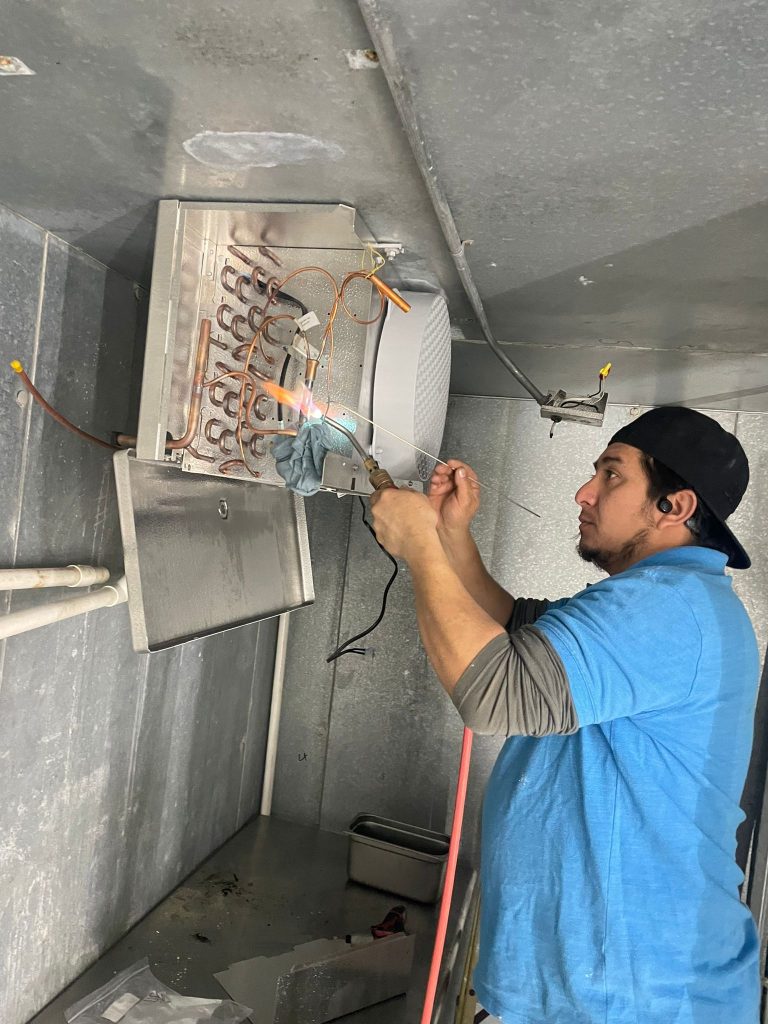

Initial Assessment
Primary evaluation through high-level diagnostics to detect problems of the refrigeration system.
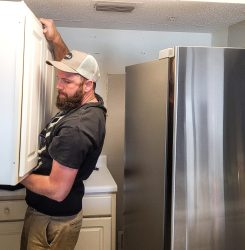
Repair Planning
Findings and repair options were explained clearly and were in line with operations.

Professional Repair
Professional repair services done in an industry tested manner with industry parts installed.

Final Testing
Final testing also provides the performance of uniform cooling efficiency and reliability in operations.

We hired them to do a complete kitchen and two bathrooms renovation. They were extremely professional, kept us within budget, and finished early. The communication was excellent; they kept us updated daily, and the entire experience was stress-free. The workmanship is beautiful. Highly recommend this remodeling and construction company.


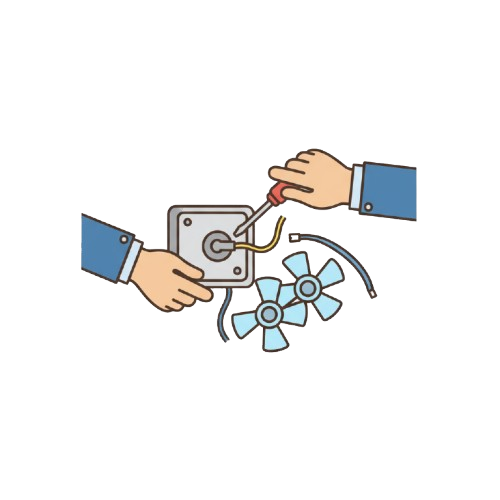
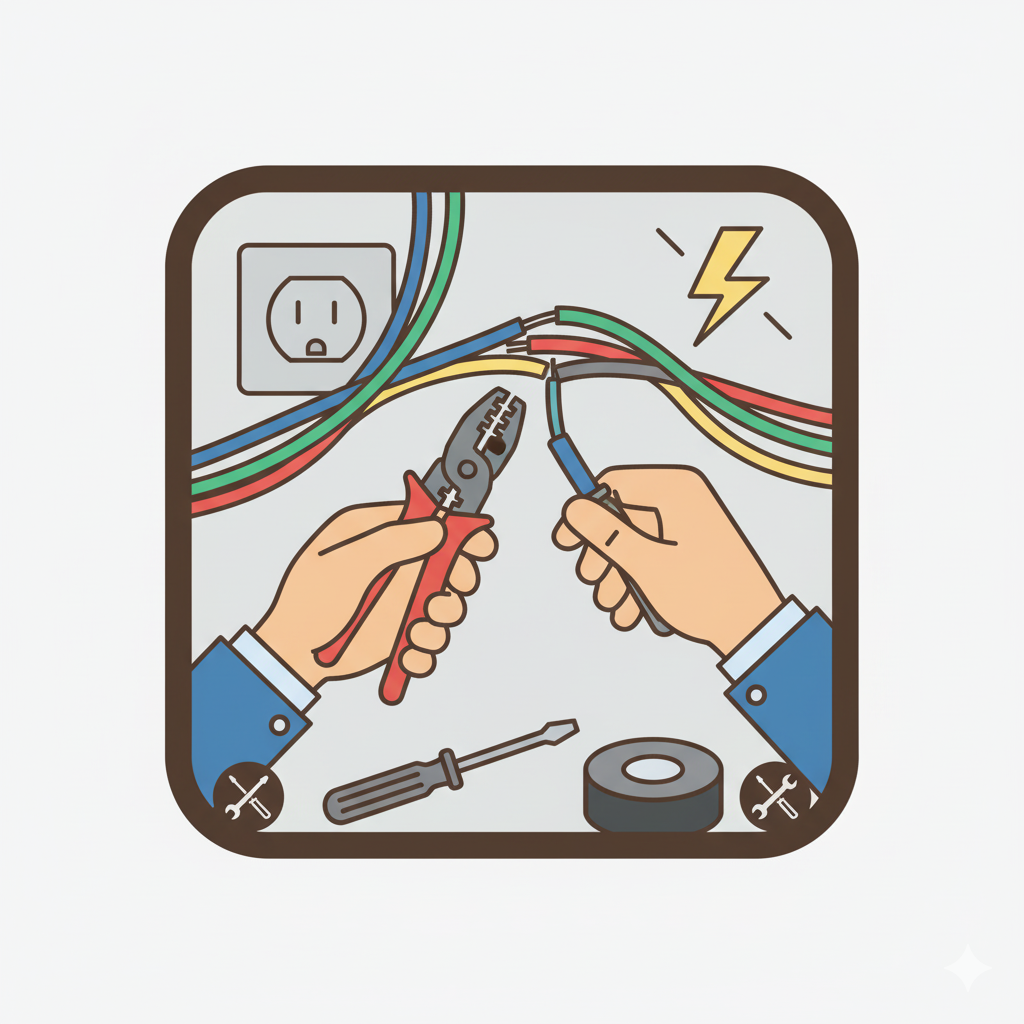
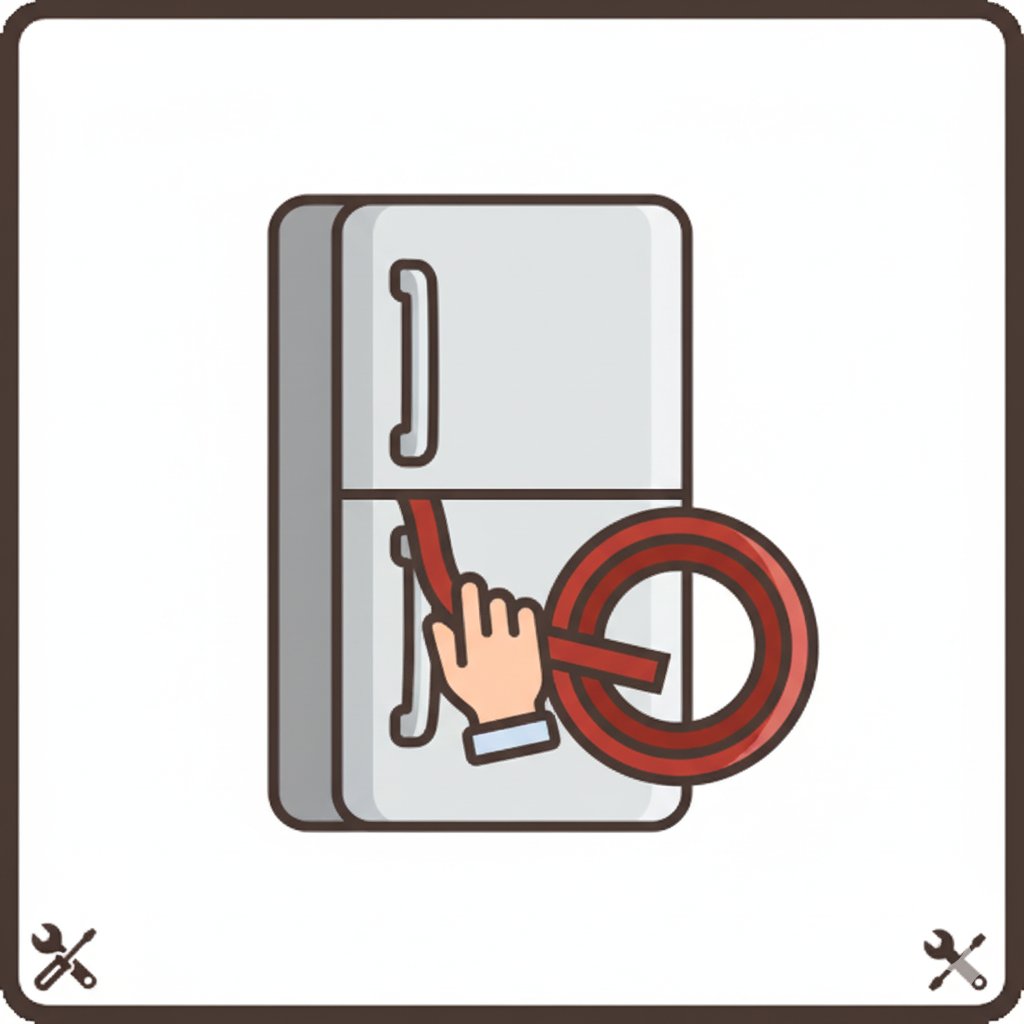
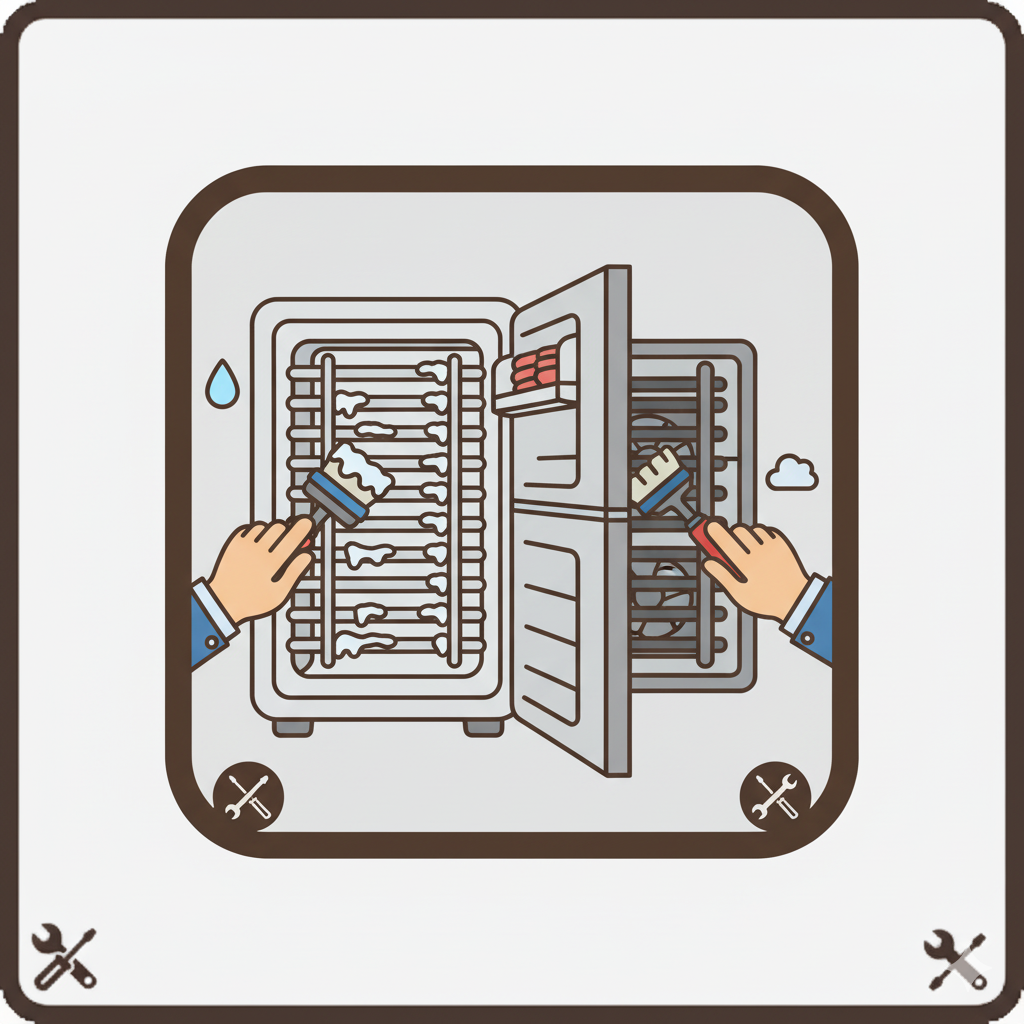
Skilled technicians diagnosing issues quickly and performing reliable repairs.

We hired them to do a complete kitchen and two bathrooms renovation. They were extremely professional, kept us within budget, and finished early. The communication was excellent; they kept us updated daily, and the entire experience was stress-free. The workmanship is beautiful. Highly recommend this remodeling and construction company.

They have great service They fix my walking refrigerator They got here on time and it worked great after the service they did to my restaurant refrigerator I recommend them to friends that has restaurants

Pavel was called on an emergency service on a Saturday morning and came out to fix a walk-in freezer that was recently installed at our restaurant. The freezer was icing over and the temperature was rising inside. Since this could not wait, he came out and identified the issue and fixed it properly. On that same night, he even came back to ensure the unit was working properly and holding deep-freezer temperatures. Pavel went above and beyond for our restaurant and we are very happy with his service. Our restaurant recommends him!

Our bar cooler wasn’t keeping temp and the guys from Pavel Refrigerant Services figured it out right away.
It turned out to be a thermostat issue which they repaired on the spot.
Quick service and solid work all around.

Had an issue with our commercial refrigeration system and these guys fixed it fast. Their quick service and great communication made a stressful situation super easy. Definitely sticking with them for future maintenance.

Had an issue with our commercial refrigeration system and these guys fixed it fast. Their quick service and great communication made a stressful situation super easy. Definitely sticking with them for future maintenance.

Got a refrigerant leak detected and repaired by Pavel’s team. They found the issue fast and made sure there were no other hidden problems. The service was smooth and the price made sense.

Our warehouse cooler needed compressor repair and Pavel’s crew handled it like pros. They showed up with all the appropriate equipment and didn’t waste any time. The pricing was fair and the system has been running flawlessly since.



Related Articles
Emergency Repair Protocols For DC Hospitality Businesses
Restaurant Refrigerator Repair Services in Falls Church, VA
People Also Ask
When a restaurant refrigerator stops working, immediate action is required to prevent food spoilage and ensure compliance with health codes. First, check the power source, circuit breakers, and ensure the unit is plugged in. Verify that the thermostat is set correctly and the condenser coils are not clogged with debris, as this is a common cause of failure. Move perishable items to a working unit or use temporary coolers with ice. Contact a certified commercial refrigeration technician immediately, as restaurant equipment is complex and requires specialized expertise. Do not attempt major repairs in-house, as this can void warranties and create safety hazards. For a detailed guide on handling such emergencies, refer to our internal resource Restaurant Refrigerator Repair.
Common commercial fridge problems often stem from issues like dirty condenser coils, which restrict airflow and cause overheating. Faulty door gaskets are another frequent culprit, leading to warm air infiltration and excessive compressor cycling. Refrigerant leaks, often due to vibration or corrosion, result in insufficient cooling and require professional leak detection and repair. Electrical problems, such as failing start capacitors or contactors, can prevent the unit from starting or cause erratic operation. Regular maintenance is key to preventing these issues. For a detailed guide on troubleshooting and professional repair strategies, refer to our internal resource, Commercial Refrigeration Repair.
The cost to repair a beverage fridge varies widely, typically ranging from $100 to $400 or more, depending on the issue. Simple fixes like replacing a thermostat or cleaning a clogged drain line are on the lower end. More complex repairs, such as fixing a sealed system leak, replacing a compressor, or installing a new control board, can cost significantly more, sometimes approaching the price of a new unit. Labor rates, which vary by region and technician, are a major factor. For an accurate estimate, a professional diagnosis is essential to identify the specific faulty component. Always weigh the repair cost against the appliance's age and replacement value.
The most common refrigerator repair is typically related to the sealed system, specifically a failure of the compressor or a refrigerant leak. The compressor is the heart of the system, and its failure often requires a costly replacement. However, more frequent service calls often involve components like the defrost system, including the defrost heater, thermostat, or timer. When these fail, ice builds up on the evaporator coils, blocking airflow and causing the refrigerator to not cool properly. Other common issues are faulty door seals, which allow cold air to escape, and problems with the temperature control board or start relay. Regular maintenance, like cleaning condenser coils, can prevent many common failures.
For a restaurant refrigerator repair service, prioritize finding a provider with 24/7 emergency availability and experience with commercial-grade equipment. A reliable service will offer rapid response times to minimize food spoilage and business interruption. Technicians should be EPA-certified to handle refrigerants and familiar with brands common in food service. Always verify that the company carries proper insurance and offers a warranty on parts and labor. For critical guidance on handling such failures, we recommend reviewing our internal resource, Emergency Repair Protocols For DC Hospitality Businesses. This document outlines essential steps to secure your inventory and manage the situation until help arrives.
For commercial refrigeration repair, it is crucial to select a service provider with specific expertise in commercial systems, which differ significantly from residential units. Look for a company that offers 24/7 emergency service, as downtime can lead to substantial product and revenue loss. Ensure they are certified to handle the required refrigerants and have experience with your specific equipment, such as walk-in coolers, display cases, or complex rack systems. A reputable provider will perform a thorough diagnosis, use quality parts, and offer a clear service agreement. Always verify licensing, insurance, and check online reviews or ask for local references to ensure reliability and professionalism in your area.