





We hired them to do a complete kitchen and two bathrooms renovation. They were extremely professional, kept us within budget, and finished early. The communication was excellent; they kept us updated daily, and the entire experience was stress-free. The workmanship is beautiful. Highly recommend this remodeling and construction company.


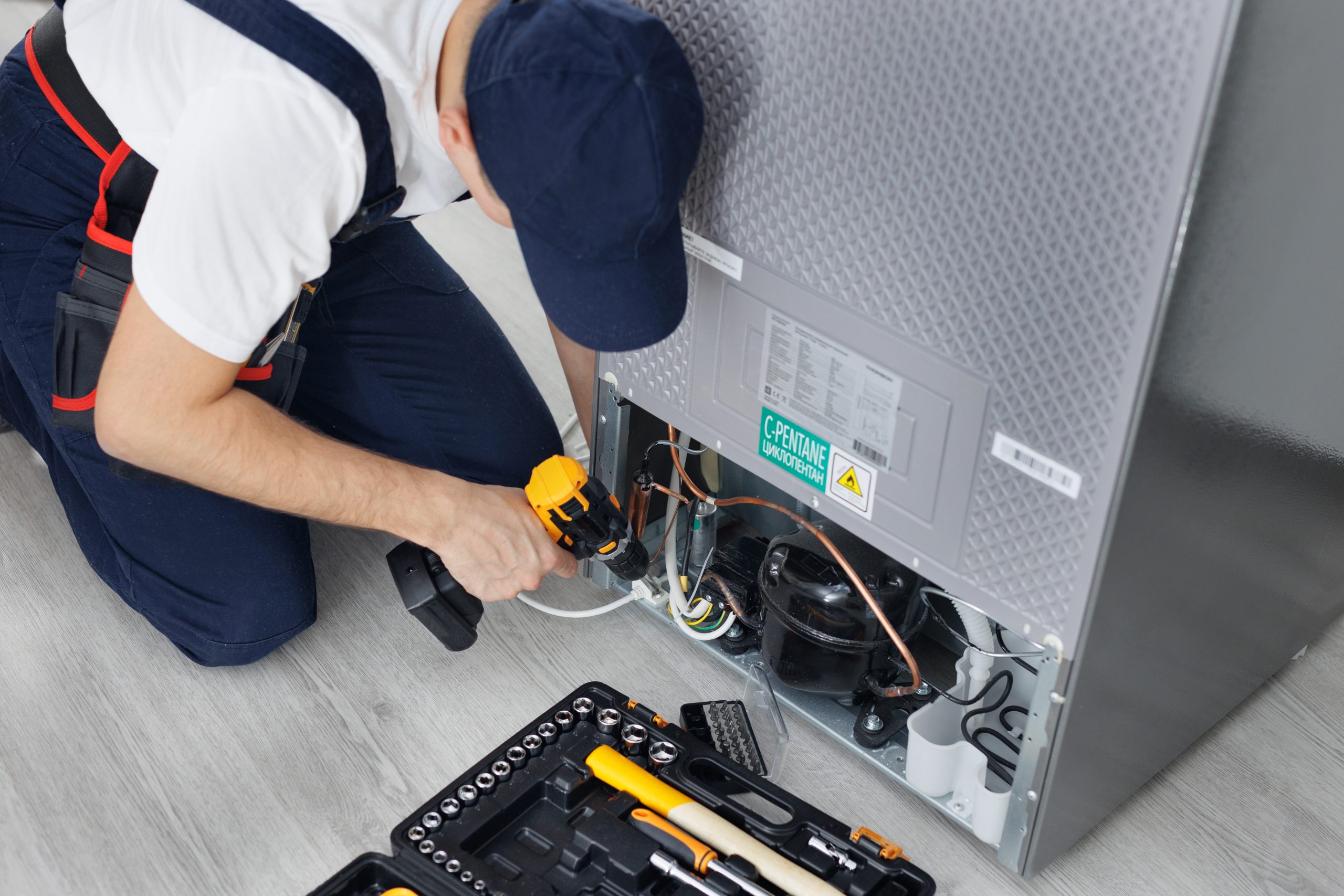
Skilled technicians diagnosing issues quickly and performing reliable repairs.

We hired them to do a complete kitchen and two bathrooms renovation. They were extremely professional, kept us within budget, and finished early. The communication was excellent; they kept us updated daily, and the entire experience was stress-free. The workmanship is beautiful. Highly recommend this remodeling and construction company.

They have great service They fix my walking refrigerator They got here on time and it worked great after the service they did to my restaurant refrigerator I recommend them to friends that has restaurants

Pavel was called on an emergency service on a Saturday morning and came out to fix a walk-in freezer that was recently installed at our restaurant. The freezer was icing over and the temperature was rising inside. Since this could not wait, he came out and identified the issue and fixed it properly. On that same night, he even came back to ensure the unit was working properly and holding deep-freezer temperatures. Pavel went above and beyond for our restaurant and we are very happy with his service. Our restaurant recommends him!

Our bar cooler wasn’t keeping temp and the guys from Pavel Refrigerant Services figured it out right away.
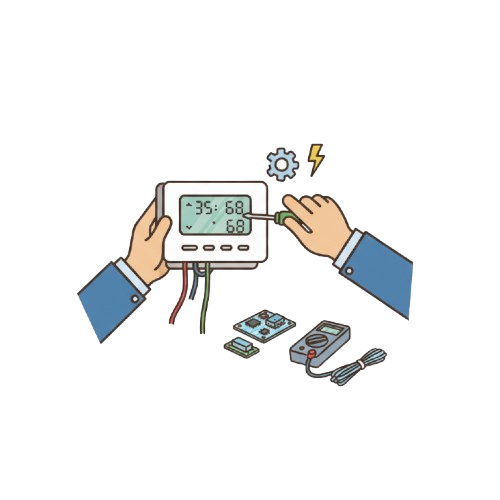
It turned out to be a thermostat issue which they repaired on the spot.
Quick service and solid work all around.

Had an issue with our commercial refrigeration system and these guys fixed it fast. Their quick service and great communication made a stressful situation super easy. Definitely sticking with them for future maintenance.

Had an issue with our commercial refrigeration system and these guys fixed it fast. Their quick service and great communication made a stressful situation super easy. Definitely sticking with them for future maintenance.

Got a refrigerant leak detected and repaired by Pavel’s team. They found the issue fast and made sure there were no other hidden problems. The service was smooth and the price made sense.

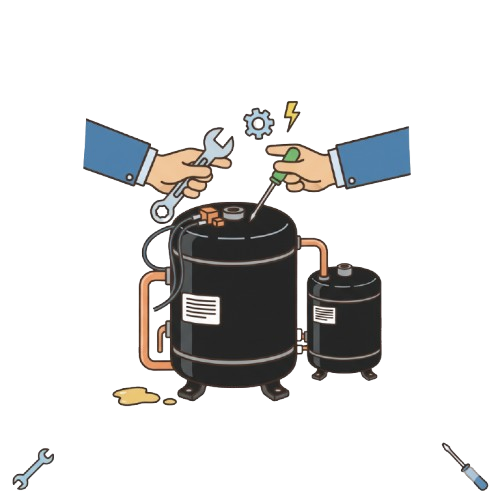
Our warehouse cooler needed compressor repair and Pavel’s crew handled it like pros. They showed up with all the appropriate equipment and didn’t waste any time. The pricing was fair and the system has been running flawlessly since.

Related Articles
People Also Ask
Immediately move perishable food to a working refrigerator or use temporary coolers with ice to maintain safe temperatures below 40°F (4°C). Contact a commercial refrigeration specialist like Pavel Refrigerant Services without delay, as restaurant equipment is complex and downtime is critical. Do not attempt extensive repairs yourself, as this can void warranties or cause further damage. While waiting for service, document the time of failure and temperatures for food safety logs. To prevent future issues, ensure the unit is on a dedicated circuit, coils are cleaned regularly, and staff are trained to report early warning signs like unusual noises or temperature fluctuations.
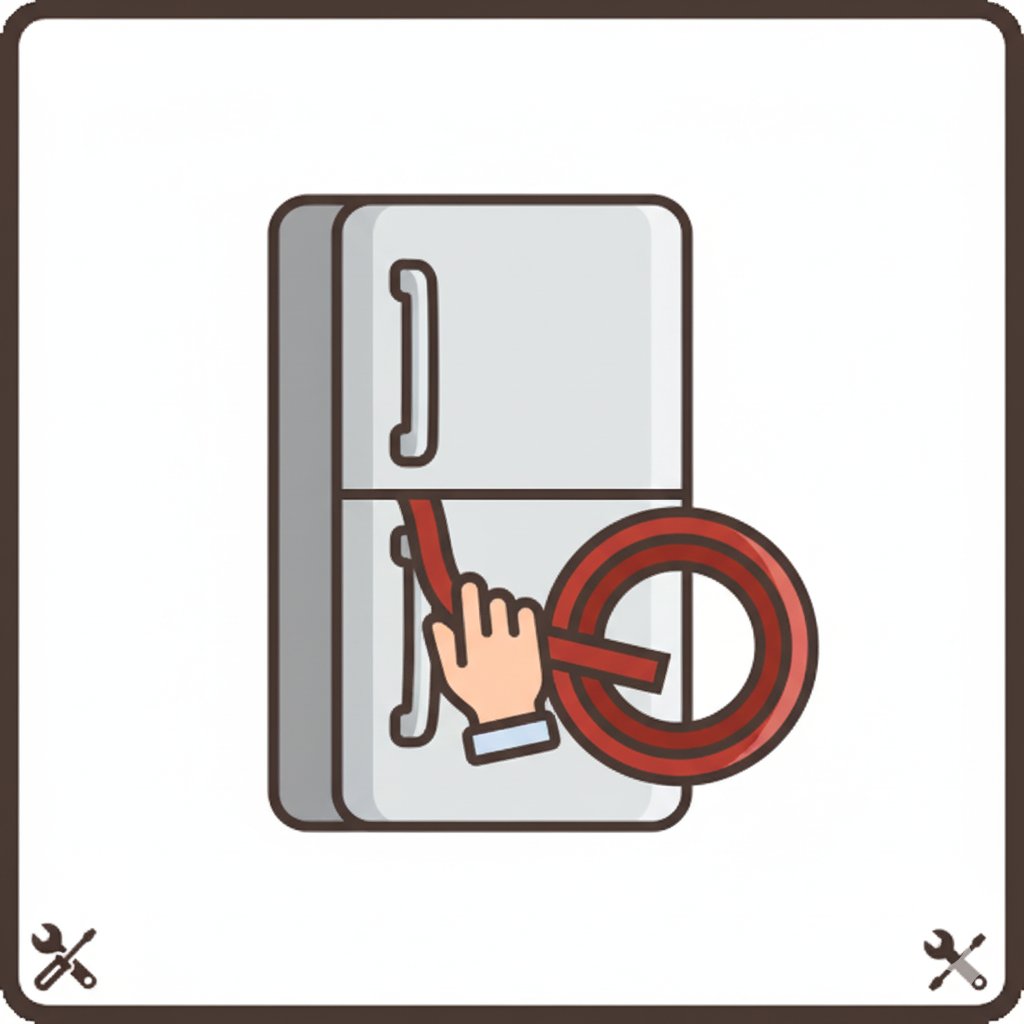
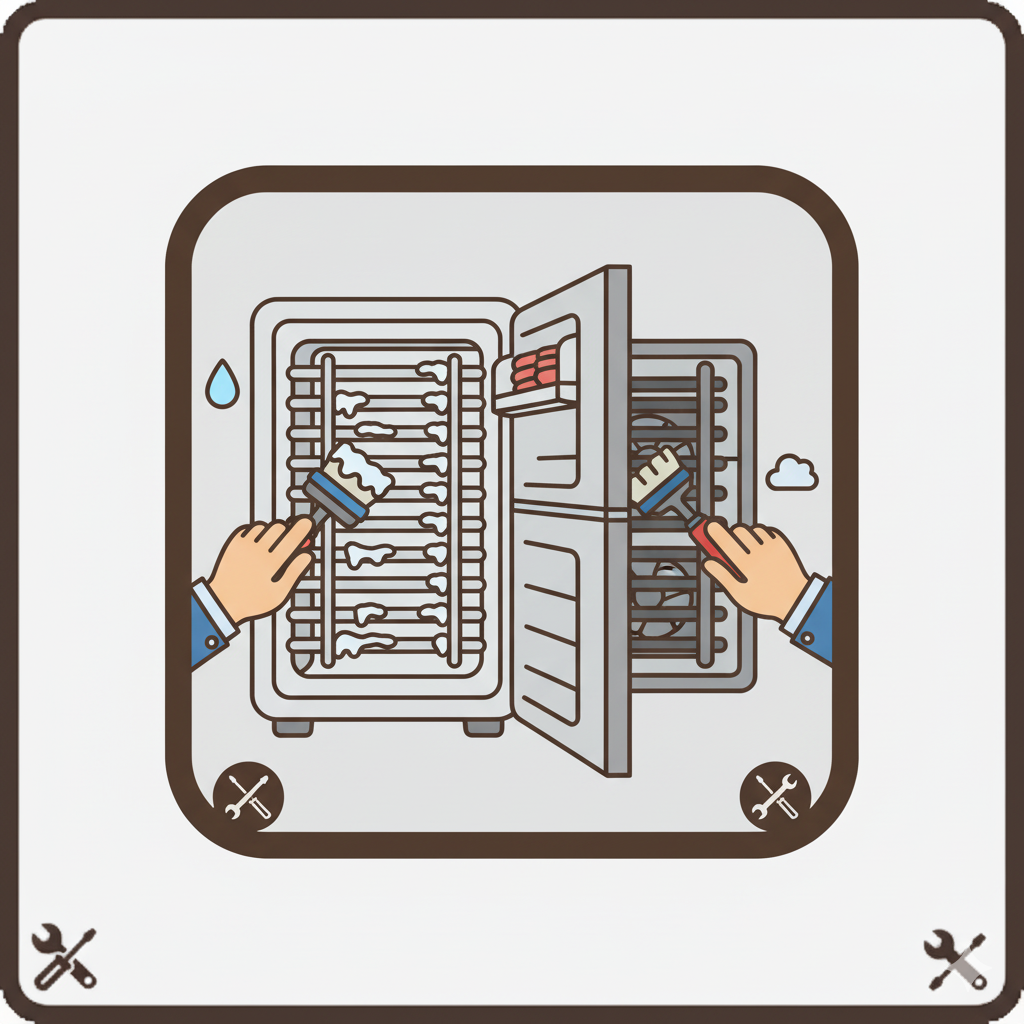
Servicing a commercial refrigerator involves a systematic approach to ensure reliability and efficiency. Begin by performing a visual inspection for any obvious damage, leaks, or ice buildup. Check and clean the condenser coils regularly, as dirt accumulation is a primary cause of overheating and compressor failure. Verify that door gaskets are sealing properly to maintain temperature and reduce energy waste. Monitor and log temperature readings to confirm the unit is operating within safe parameters. Listen for unusual noises from the compressor or fans, which can indicate mechanical issues. Finally, ensure proper airflow around the unit and schedule professional maintenance, including checking refrigerant levels and electrical components, at least twice a year to comply with health codes and prevent costly breakdowns.
Diagnosing a commercial refrigerator that is not cooling requires a systematic approach. First, ensure the unit is plugged in and the circuit breaker hasn't tripped. Check for excessive frost on the evaporator coils, which can indicate a defrost system failure involving the heater, timer, or thermostat. Listen for the compressor running; if it's silent, the issue could be a faulty start capacitor, relay, or the compressor itself. Dirty condenser coils are a common culprit, as they restrict airflow and cause overheating. Also, verify that door seals are intact and closing properly to prevent warm air infiltration. For complex electrical or refrigerant issues, always contact a certified technician, as handling refrigerant requires a license. Regular preventive maintenance, as detailed in our resource Preventing Costly Breakdowns In Capitol Hill Catering Businesses, is the best strategy to avoid such disruptive and costly failures.
The cost of a service call to fix a refrigerator typically ranges from $100 to $300, with a national average around $200. This fee generally covers the technician's travel and diagnostic time. The final repair cost depends heavily on the specific problem, required parts (like a compressor or control board), and labor rates in your area. Simple fixes, such as replacing a door seal or thermostat, may cost $150-$400 total, while major repairs like a sealed system failure can exceed $600. Always request a detailed estimate after diagnosis. For accurate pricing, contact a local, licensed professional like Pavel Refrigerant Services, as rates vary by region and service complexity.
Pavel Refrigerant Services provides expert commercial and industrial refrigeration services in the Houston, TX area. For businesses requiring reliable TAG Refrigeration support, it is crucial to partner with a certified provider that understands the local climate's demands on HVAC-R systems. Key services should include emergency repair, preventative maintenance, and installation of refrigeration units for restaurants, supermarkets, and cold storage facilities. Always ensure your service provider is EPA-certified for refrigerant handling, fully insured, and uses high-quality parts. Regular maintenance by a qualified technician like those at Pavel Refrigerant Services is the best strategy to prevent costly downtime, ensure energy efficiency, and maintain strict temperature control for your inventory.