

Commercial-Focused Repair Methods
The walk-in freezers of restaurants will need specific repair techniques because they are a high capacity and constant use area. Established business repair measures are implemented to fix mechanical breakdowns, refrigerant leakages, control, and airflow blockages. Every repair is done according to the industry criteria and the manufacturer manual to be compatible and last long. This targeted solution limits recurrent malfunctions, lowers downtimes in the operation, and helps to maintain consistent freezing functionality throughout high cook times in the kitchen.

Performance, Efficiency, and Reliability Driven Repairs
Quality repair services are concerned with long-term performance, energy-saving, and reliability in operation. Determining inefficiencies in repair processes assists in the minimization of unnecessary energy use and undue system strain. Constant temperature inventory prevents spoilage of inventory and prolongs life of equipment. This is an expertise-driven process that will make sure that restaurant walk-in freezers run efficiently, recovers shortly just in case of door openings, and has reliable freezing conditions that are crucial in food safety and business continuity.
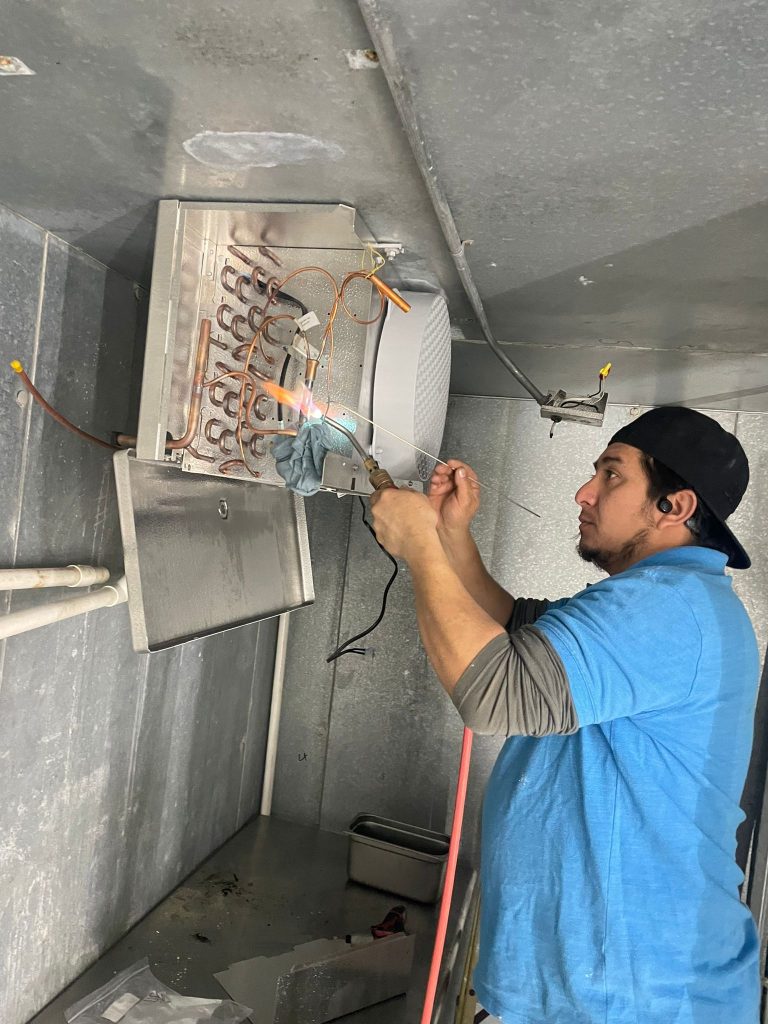

System Inspection
Full system check done to reveal performance problems, temperature loss component damages and operational hazards.
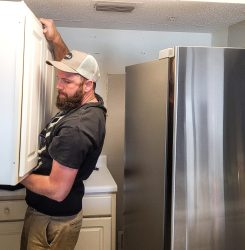
Issue Diagnosis
Detailed diagnosis filled with professional tools to identify root causes that impact efficiency and reliability of the freezers.

Targeted Repairs
Specified repairs to be done with the help of standardized methods and the commercial quality of materials to achieve the long term outcomes.

Performance Verification
The last round of performance testing ensures stable temperatures are operating correctly and ready to be used by the restaurant on a continuous basis.

We hired them to do a complete kitchen and two bathrooms renovation. They were extremely professional, kept us within budget, and finished early. The communication was excellent; they kept us updated daily, and the entire experience was stress-free. The workmanship is beautiful. Highly recommend this remodeling and construction company.


Skilled technicians diagnosing issues quickly and performing reliable repairs.

We hired them to do a complete kitchen and two bathrooms renovation. They were extremely professional, kept us within budget, and finished early. The communication was excellent; they kept us updated daily, and the entire experience was stress-free. The workmanship is beautiful. Highly recommend this remodeling and construction company.

They have great service They fix my walking refrigerator They got here on time and it worked great after the service they did to my restaurant refrigerator I recommend them to friends that has restaurants

Pavel was called on an emergency service on a Saturday morning and came out to fix a walk-in freezer that was recently installed at our restaurant. The freezer was icing over and the temperature was rising inside. Since this could not wait, he came out and identified the issue and fixed it properly. On that same night, he even came back to ensure the unit was working properly and holding deep-freezer temperatures. Pavel went above and beyond for our restaurant and we are very happy with his service. Our restaurant recommends him!

Our bar cooler wasn’t keeping temp and the guys from Pavel Refrigerant Services figured it out right away.
It turned out to be a thermostat issue which they repaired on the spot.
Quick service and solid work all around.

Had an issue with our commercial refrigeration system and these guys fixed it fast. Their quick service and great communication made a stressful situation super easy. Definitely sticking with them for future maintenance.

Had an issue with our commercial refrigeration system and these guys fixed it fast. Their quick service and great communication made a stressful situation super easy. Definitely sticking with them for future maintenance.

Got a refrigerant leak detected and repaired by Pavel’s team. They found the issue fast and made sure there were no other hidden problems. The service was smooth and the price made sense.

Our warehouse cooler needed compressor repair and Pavel’s crew handled it like pros. They showed up with all the appropriate equipment and didn’t waste any time. The pricing was fair and the system has been running flawlessly since.



Related Articles
Emergency Repair Protocols For DC Hospitality Businesses
DC Grocery Store Freezers: Energy-Efficient Upgrades & Commercial Refrigeration Repair to Save Money
People Also Ask
The typical lifespan of a commercial walk-in freezer is between 15 to 20 years with proper installation, regular maintenance, and high-quality components. Key factors influencing longevity include the quality of the panels and refrigeration system, the frequency of professional servicing, and the operating environment. To maximize service life, adhere to a strict preventive maintenance schedule that includes coil cleaning, door gasket inspection, and monitoring refrigerant levels. Neglecting maintenance can lead to compressor failure and significantly reduce lifespan. Investing in a well-built unit from a reputable manufacturer and partnering with a qualified service provider for routine checks are the most effective strategies for ensuring long-term reliability and performance.
Servicing a commercial freezer involves a systematic approach to ensure safety, efficiency, and compliance. First, always disconnect the power. Perform a visual inspection for physical damage, ice buildup, and clean the condenser coils, evaporator, and drain lines thoroughly. Check door gaskets for a proper seal and lubricate hinges if needed. Monitor operating temperatures and pressures, listening for unusual compressor noises. Verify that defrost cycles are functioning correctly to prevent excessive frost. It is crucial to use the correct refrigerant type and handle it according to EPA regulations. For complex electrical issues, refrigerant leaks, or compressor failures, consulting a certified technician is essential. Remember, for critical system failures, our internal guide When To Call Pros For Walk-In Freezer Repairs outlines when professional intervention is necessary to avoid costly downtime and ensure food safety.
A walk-in freezer can stop working due to several common issues. The most frequent cause is a failure of the refrigeration system, such as a loss of refrigerant from a leak, a faulty compressor, or a malfunctioning evaporator fan motor. Electrical problems, including tripped circuit breakers, failed defrost heaters, or faulty thermostats, are also common culprits. Additionally, simple issues like a heavily frosted evaporator coil from a failed defrost cycle or a blocked condenser unit due to dirt and debris can cause the system to overheat and shut down. For a detailed guide on troubleshooting and professional repair steps, refer to our internal resource Restaurant Walk in Freezer Repair. Regular preventative maintenance is key to avoiding these failures.
When a restaurant refrigerator stops working, immediate action is critical to prevent food spoilage and ensure compliance with health codes. First, check the power source and circuit breaker to rule out simple electrical issues. Verify the unit's temperature settings and ensure vents are not blocked. If the problem persists, move perishable inventory to a working unit or use temporary coolers with ice. Contact a certified commercial refrigeration technician immediately, as restaurant equipment is complex and requires specialized expertise. Document the incident for insurance and health inspection purposes. For a detailed guide on handling such emergencies, refer to our internal resource Restaurant Refrigerator Repair. Regular preventative maintenance is the best strategy to avoid such costly failures.
For businesses needing walk-in freezer repair, it is critical to contact a licensed commercial refrigeration specialist immediately. A malfunctioning unit can lead to significant inventory loss and health code violations. A professional technician will diagnose issues like failed compressors, faulty door gaskets, or evaporator coil problems. They follow strict industry protocols for safety and refrigerant handling. For urgent situations, especially in the food service sector, having a reliable emergency contact is essential. We recommend reviewing our detailed guide, Emergency Repair Protocols For DC Hospitality Businesses, which outlines critical steps for minimizing downtime and loss during a refrigeration crisis. Always verify a service provider's certifications and experience with commercial systems before hiring.
For commercial walk-in cooler repair, it is crucial to contact a licensed HVAC-R specialist who understands the complex refrigeration systems and strict food safety codes involved. A professional service will diagnose issues like compressor failure, evaporator coil icing, or thermostat malfunctions. They should perform a comprehensive check of the system's pressure, electrical components, and door seals. To minimize downtime and potential product loss, having a reliable service provider on call is essential. We strongly recommend reviewing our internal guide, Emergency Repair Protocols For DC Hospitality Businesses, which outlines critical steps for managing such emergencies, especially for businesses that must maintain continuous cold storage operations.