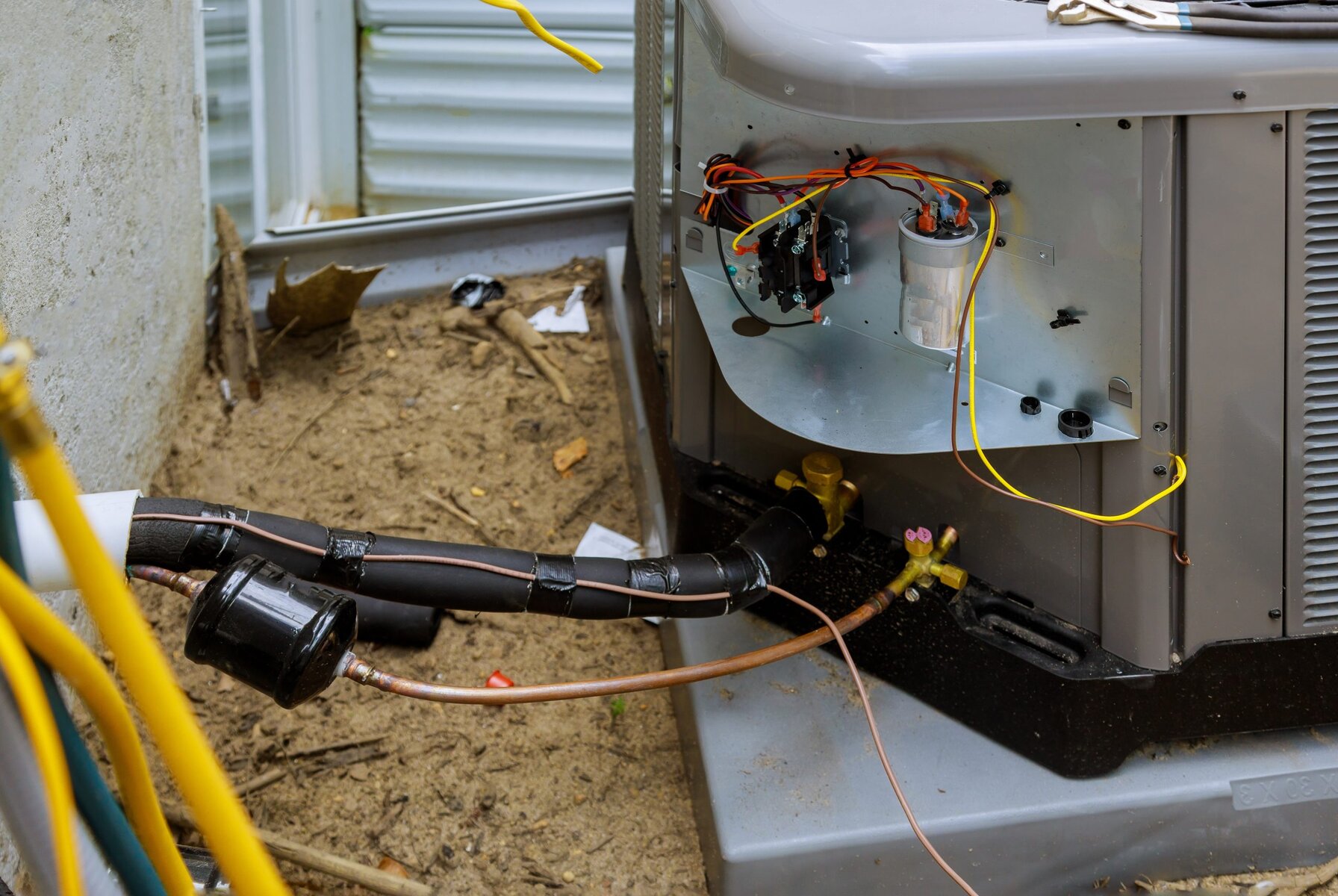
Ever have one of those days where you walk into your restaurant or store, and the air just feels…wrong? That subtle, sinking feeling when you open the walk-in and it’s more “cool” than “cold,” or your commercial freezer is humming a little too desperately? We’ve all been there. It’s the universal signal that your commercial refrigeration system is whispering (or shouting) for help. Let’s talk about why ignoring that whisper is a recipe for disaster and how finding the right commercial refrigeration service doesn’t have to be a cold, stressful mystery.
Why Your Commercial Fridge Isn’t Just Another Appliance
Think about it. Your commercial fridge or freezer is the silent, hardworking backbone of your entire operation. It’s not like your home unit where a warm beer is a minor inconvenience. In our world, a few degrees off means spoiled inventory, violated health codes, and a direct hit to the bottom line. It’s the difference between a thriving Tuesday lunch service and a frantic, door-slamming panic.
We like to call it the “Cold Chain of Trust.” Your customers trust that the food is safe. You trust your equipment to keep it that way. And that equipment? It desperately needs you to trust a professional to maintain it. IMO, viewing commercial refrigeration repair as a necessary operational cost, like electricity, rather than an annoying surprise, is the first step to peace of mind. It’s not an if it will need service, but when.
The Usual Suspects: What Goes Wrong (And Why It’s Urgent)
So, what actually breaks? Let’s pull back the curtain. Most issues aren’t mysterious; they’re the predictable result of wear, tear, and the harsh demands of a commercial environment.
- The Temperature Tango: This is the big one. Your unit is running but not reaching temp. Often, it’s a failing compressor, dirty condenser coils (seriously, check those things!), or low refrigerant charge. A leak isn’t just a “top it off” job—it requires a certified technician to find, fix, and recharge the system properly. That’s a specialty we’ve built our reputation on at Pavel Refrigerant Services.
- The Symphony of Strange Noises: New grinding, buzzing, or screeching sounds are your equipment’s cry for help. It could be fan motors, compressors, or components on their last leg.
- The Great Frost Build-Up: Excessive ice in a walk in refrigerator repair scenario often points to defrost system failures—bad heaters, timers, or sensors. It’s more than an annoyance; it makes the unit work harder, costing you more.
- The Leak or The Sweat: Puddles of water or excessive condensation can signal blocked drain lines, failed door gaskets, or worse, a refrigerant leak.
Here’s a quick table to decode what your equipment might be telling you:
| Symptom | Likely Culprit | Why It’s a Big Deal |
|---|---|---|
| Warm Temperatures | Dirty coils, failing compressor, refrigerant leak. | Immediate food safety risk. Spoilage begins rapidly. |
| Excessive Frost/Ice | Failed defrost system, door gasket leak. | Skyrocketing energy costs and strain on components. |
| Unusual Noises | Worn fan motors, failing compressor. | Complete breakdown is imminent. Don’t wait for the silence! |
| Water Leaks/Puddles | Clogged drain line, damaged drain pan. | Slip hazard and potential water damage to flooring/subfloor. |
| Unit Runs Constantly | Overworked due to any of the above, or failing thermostat. | You’re literally burning money on an inefficient electric bill. |
Choosing Your Repair Ally: More Than Just “Near Me”
Okay, so you’ve diagnosed a problem. Your next move is crucial. A quick online search for “commercial freezer repair near me” or “nearest restaurant refrigeration repair” will flood you with options. But how do you choose? It’s not just about who’s closest.
Experience matters. A household handyman can’t handle the complex, pressurized systems of a commercial walk in cooler repair. You need a team that lives and breathes this stuff. You need technicians who are EPA-certified to handle refrigerants and who understand the urgent tempo of a commercial kitchen. That’s the standard we hold ourselves to at Pavel Refrigerant Services. When a restaurant refrigeration repair call comes in from Wheaton or Silver Spring, we know it’s not just a repair—it’s saving their day.
Transparency is king. Ever gotten a bill that made your eyes water? We hate that, too. Always ask about the price structure. A trustworthy service will offer clear diagnostics and upfront estimates. The cost should reflect expertise and quality parts, not hidden fees. FYI, the cheapest option often ends up being the most expensive when you need a re-repair next month.
Prevention is the secret weapon. Let’s be real: waiting for a breakdown is a stressful, costly strategy. That’s where commercial refrigeration maintenance comes in. Regular, scheduled check-ups are like oil changes for your cold storage. They catch small issues before they become catastrophic, saving you from emergency commercial refrigeration service calls and those heart-stopping “replace the entire system” quotes. It’s the smartest investment you can make in your equipment’s longevity.
Your Local Lifeline in Montgomery County and Beyond
We get it. When you’re in a bind, geography feels important. You want a team that can get to you fast. Serving Montgomery County, we’re the local experts for businesses in Washington, Arlington, Wheaton, and Silver Spring who can’t afford downtime. Whether it’s a frantic call for walk in cooler repair or a scheduled commercial refrigeration maintenance plan, being nearby means we understand your local business environment and can often be on-site faster than a national chain.
But our commitment goes beyond zip codes. For industrial refrigeration repair or complex commercial fridge repair jobs, we bring a depth of knowledge that you simply can’t get from a general handyman. We’ve seen it all, from the delicate sensors in a sushi restaurant’s fridge to the heavy-duty systems in a grocery’s cold vault.
Let’s Answer Your Burning (Or Should We Say, Freezing?) Questions
We hear these all the time. Let’s clear a few things up.
1. “How often should I really schedule maintenance?”
Think quarterly. At a minimum, twice a year. These systems work 24/7/365. A professional check-up each season ensures coils are clean, motors are sound, refrigerant levels are correct, and all components are running efficiently. It’s the best way to avoid a surprise.
2. “Can’t I just add refrigerant myself if it’s low?”
Short answer? No. And here’s why: Refrigerant doesn’t get “used up.” If it’s low, there’s a leak. Simply adding more is illegal (for environmental reasons), unethical, and just a temporary band-aid. The leak will continue, damaging the environment and your compressor. A certified technician must find and seal the leak, then properly recharge the system. This isn’t a DIY moment.
3. “Is repair or replacement the better option?”
This is the million-dollar question (sometimes literally). A good rule of thumb? If the repair cost is more than half the price of a new, energy-efficient unit, and your current box is over 10 years old, replacement starts to make financial sense. Newer models are vastly more efficient, saving you monthly on utilities. A trusted technician can give you an honest, no-pressure assessment.
Wrapping It Up: Keep Your Cool
At the end of the day, your commercial refrigeration is the guardian of your inventory and your reputation. Treating it with proactive care isn’t an expense; it’s the ultimate insurance policy. Don’t wait for the failure that ruins a weekend’s worth of product or shuts down your service line.
Find a partner you trust—one with the expertise for your specific commercial refrigeration repair needs and the responsiveness you deserve as a local business. We built Pavel Refrigerant Services to be exactly that kind of partner for folks right here in our community. So, the next time you get that subtle, sinking feeling, or better yet, before you do, you know who to call. Let’s keep your business—and your salmon—perfectly chilled.
People Also Ask
The 125% rule in electrical systems is a fundamental safety requirement from the National Electrical Code (NEC). It states that the continuous load on a circuit—defined as a load expected to operate for three hours or more—must not exceed 80% of the circuit's rated capacity. Conversely, the circuit's overcurrent protection device (like a breaker) and conductors must be rated for at least 125% of the continuous load. For example, a 20-amp circuit dedicated to a continuous load should only carry a maximum of 16 amps. This 25% buffer is crucial for preventing overheating, protecting wiring insulation, and ensuring long-term system reliability by accounting for sustained electrical demand.
Electrical issues in refrigeration systems can cause significant downtime. Common problems include faulty capacitors, which prevent compressors from starting and require replacement. Contactor failure, often due to pitted contacts, needs cleaning or replacement. Loose or corroded wiring connections must be tightened or replaced to restore proper current flow. Defective overload protectors will trip frequently and should be swapped out. Bad fan motors cause poor airflow and overheating. Thermostat calibration errors lead to incorrect temperature control. Short cycling can indicate a failing compressor or refrigerant issues. Ground faults require insulation checks. Low voltage from the power supply needs verification. Finally, control board failures often necessitate professional diagnosis and board replacement. Always prioritize safety by disconnecting power before inspection and consult a certified technician for complex repairs.
Electricians often keep one hand in their pocket as a safety precaution to minimize the risk of electric shock. The principle is to avoid creating a path for current to flow across the chest, which could pass through the heart and cause fatal fibrillation. By using one hand, they reduce the chance that electricity will enter one hand and exit the other, traversing the vital organs. This practice is part of standard electrical safety training, emphasizing working on live circuits only when absolutely necessary and with proper personal protective equipment. It's a simple but effective habit that underscores the importance of situational awareness and respecting the inherent dangers of electrical work.
A commercial power issue refers to any disruption or anomaly in the electrical supply to a commercial facility, such as an office building, retail store, data center, or industrial plant. These issues can range from complete blackouts and brownouts (voltage sags) to surges, spikes, harmonic distortion, and frequency variations. They are critical because they can lead to immediate operational downtime, damage to sensitive electronic equipment, data loss, and significant financial impact. For businesses reliant on refrigeration or HVAC systems, power issues can cause compressor failures, loss of temperature control, and spoilage of goods. Proactive measures include installing surge protectors, uninterruptible power supplies (UPS), and backup generators to ensure business continuity and protect valuable assets.