



We hired them to do a complete kitchen and two bathrooms renovation. They were extremely professional, kept us within budget, and finished early. The communication was excellent; they kept us updated daily, and the entire experience was stress-free. The workmanship is beautiful. Highly recommend this remodeling and construction company.


Skilled technicians diagnosing issues quickly and performing reliable repairs.

We hired them to do a complete kitchen and two bathrooms renovation. They were extremely professional, kept us within budget, and finished early. The communication was excellent; they kept us updated daily, and the entire experience was stress-free. The workmanship is beautiful. Highly recommend this remodeling and construction company.

They have great service They fix my walking refrigerator They got here on time and it worked great after the service they did to my restaurant refrigerator I recommend them to friends that has restaurants

Pavel was called on an emergency service on a Saturday morning and came out to fix a walk-in freezer that was recently installed at our restaurant. The freezer was icing over and the temperature was rising inside. Since this could not wait, he came out and identified the issue and fixed it properly. On that same night, he even came back to ensure the unit was working properly and holding deep-freezer temperatures. Pavel went above and beyond for our restaurant and we are very happy with his service. Our restaurant recommends him!

Our bar cooler wasn’t keeping temp and the guys from Pavel Refrigerant Services figured it out right away.
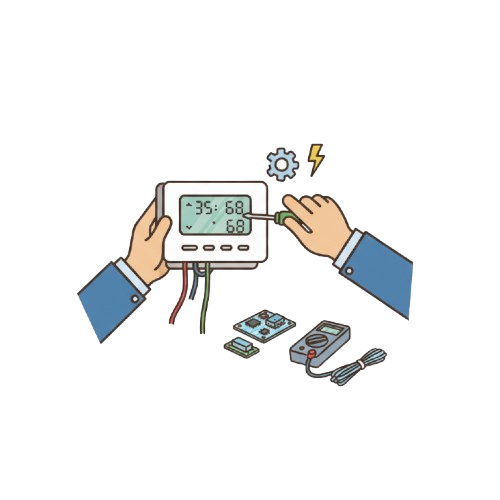
It turned out to be a thermostat issue which they repaired on the spot.
Quick service and solid work all around.

Had an issue with our commercial refrigeration system and these guys fixed it fast. Their quick service and great communication made a stressful situation super easy. Definitely sticking with them for future maintenance.

Had an issue with our commercial refrigeration system and these guys fixed it fast. Their quick service and great communication made a stressful situation super easy. Definitely sticking with them for future maintenance.

Got a refrigerant leak detected and repaired by Pavel’s team. They found the issue fast and made sure there were no other hidden problems. The service was smooth and the price made sense.

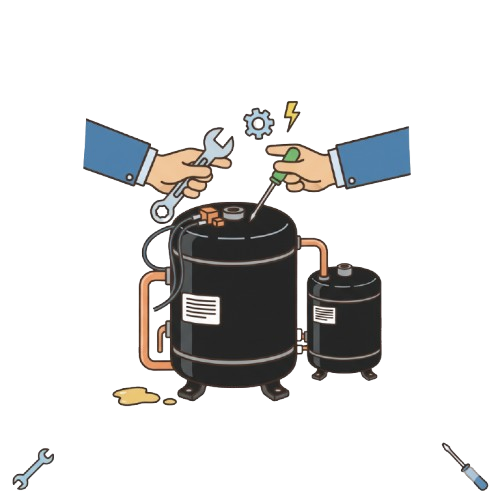
Our warehouse cooler needed compressor repair and Pavel’s crew handled it like pros. They showed up with all the appropriate equipment and didn’t waste any time. The pricing was fair and the system has been running flawlessly since.

People Also Ask
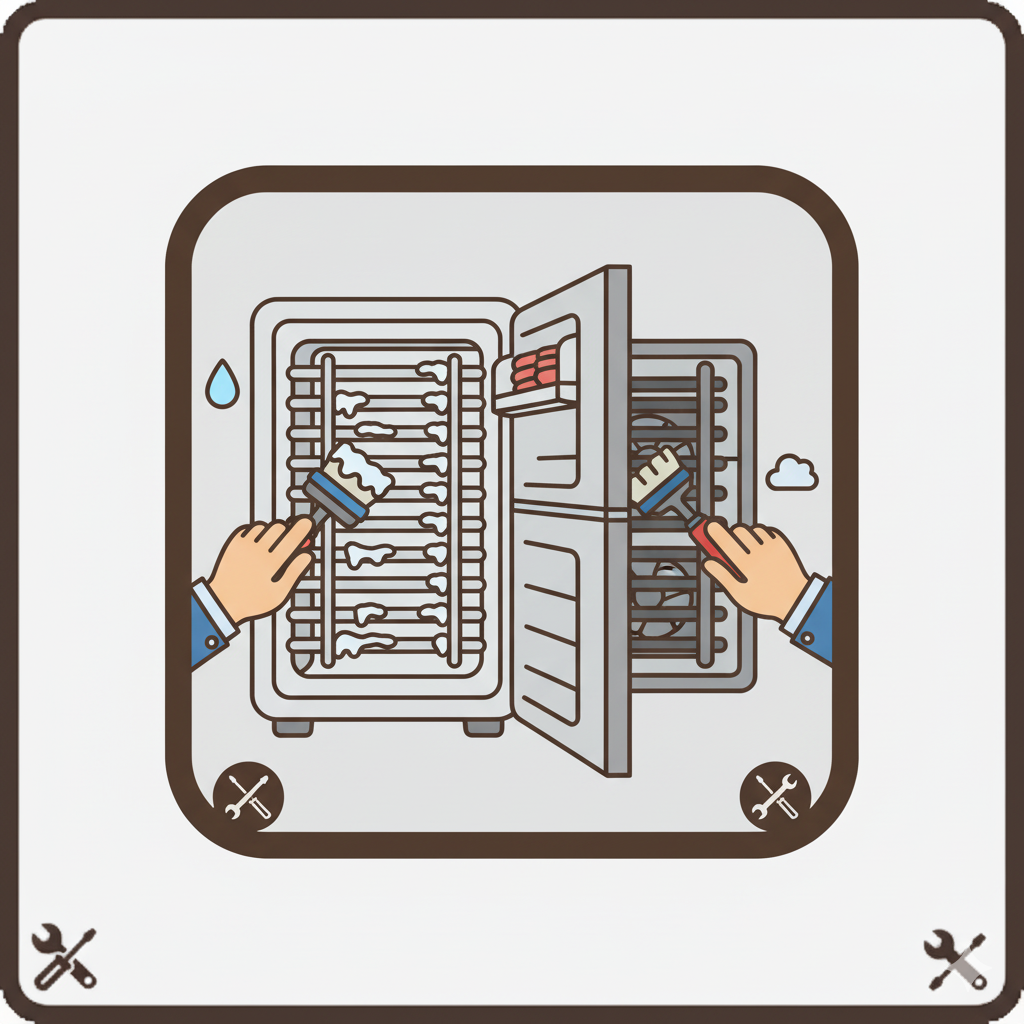
Walk-in refrigerators are complex systems, and common problems often stem from poor maintenance or component failure. A frequent issue is temperature fluctuation, typically caused by a failing thermostat, a refrigerant leak, or a malfunctioning compressor. Excessive frost or ice buildup on the evaporator coils is another major concern, often due to a defective defrost system, a damaged door gasket, or too-frequent door openings, which strain the unit. Unusual noises from the compressor or fans can indicate bearing wear or motor issues. Regular professional maintenance is crucial to prevent these problems, including checking refrigerant levels, cleaning coils, inspecting door seals, and verifying the proper operation of all controls and safety devices.
The life expectancy of a walk-in refrigerator typically ranges from 15 to 20 years, with proper installation, regular maintenance, and quality of components being the primary factors. Commercial units in high-use settings may have a shorter lifespan due to constant operation. Key to longevity is a consistent preventive maintenance schedule, which includes cleaning condenser coils, checking door seals and gaskets, ensuring proper refrigerant charge, and monitoring system pressures. Environmental conditions and the quality of the initial installation also significantly impact durability. Investing in high-quality equipment from reputable manufacturers and addressing minor repairs promptly can help maximize the unit's operational life and efficiency.
A walk-in refrigerator not cooling is a serious issue that requires immediate professional diagnosis. Common causes include a failure of the compressor, a refrigerant leak, a faulty evaporator fan motor, or a problem with the defrost system like a stuck heater or failed timer. Dirty condenser coils can also restrict airflow, causing the unit to overheat and lose efficiency. First, check for obvious signs like ice buildup on the coils, unusual noises from the compressor, or if the condenser fans are running. For a systematic approach to preventing such failures, refer to our internal guide, Washington Commercial Fridge Maintenance Checklist, which outlines key maintenance tasks. Always contact a certified technician for repairs involving electrical components or refrigerant.
The primary difference between a walk-in cooler and a walk-in refrigerator lies in their operating temperature ranges and intended applications. A walk-in cooler is designed for short-term storage of perishable items, typically maintaining temperatures above freezing, usually between 35°F and 45°F (1.7°C to 7.2°C). It is ideal for holding beverages, produce, and dairy for immediate use. A walk-in freezer, often called a walk-in fridge in casual terms but more accurately a freezer, maintains temperatures at or below freezing, typically 0°F (-18°C) or lower, for long-term preservation of frozen goods. The refrigeration systems differ significantly, with freezers requiring more powerful compressors and robust insulation to handle lower temperatures and higher thermal loads. Proper sizing and regular maintenance are critical for both to ensure energy efficiency and food safety compliance.
For walk-in cooler repair and installation services in Gaithersburg, finding a reputable provider involves checking reviews on platforms like Google, Yelp, and the Better Business Bureau. Look for companies with consistently high ratings and detailed feedback about their professionalism, response time, and quality of work. Key aspects to evaluate in reviews include their expertise in handling both commercial refrigeration repairs and new installations, their adherence to safety and EPA regulations for refrigerants, and their warranty offerings. A reliable service should offer 24/7 emergency support, use quality parts, and provide clear, upfront estimates. Always verify that the technicians are certified and insured to ensure the work meets industry standards.
For professional walk-in cooler repair and installation in Gaithersburg, it is essential to hire a certified HVAC-R technician. These specialists handle critical tasks such as diagnosing refrigerant leaks, repairing compressors and evaporator coils, and ensuring proper insulation and door seal integrity during installation. A reputable service will perform a comprehensive system evaluation, check electrical components, and verify thermostat calibration. They should also be knowledgeable about local health code compliance for commercial units. Always verify that the company is licensed, insured, and uses EPA-certified technicians for refrigerant handling. For optimal performance and energy efficiency, regular preventive maintenance is strongly recommended after installation.
For walk-in cooler repair and installation in Gaithersburg, costs vary significantly based on the project scope. Basic repairs, such as fixing a thermostat or gasket, might range from $200 to $600. Major repairs, like compressor replacement, can cost $1,000 to $2,500 or more. For a new installation, the total price is heavily influenced by the cooler's size, insulation, and refrigeration system complexity. A basic pre-fabricated unit installation might start around $3,000, while large, custom-built walk-ins with advanced systems can exceed $15,000. Always obtain detailed quotes from licensed HVAC-R technicians that include labor, materials, and any necessary permits, as proper installation is critical for efficiency and food safety compliance.