







Pavel is a terrific refrigerator/freezer/walk-in cooler resource! Not only prompt, courteous and efficient, his superior knowledge of the problem saved us a great deal of headache and extra expense. Thank you Pavel for your help, we look forward to seeing you again!
Team Flavor Hive – Rockville


Pavel Refrigerant Services was outstanding! They arrived promptly diagnosed the issue and had all the equipment to fix the problem right on the spot. The service was reasonably priced and the tech was very professional.

Pavel Refrigerant Services really saved the day for our restaurant! Our commercial fridge broke down unexpectedly, and they had it up and running in no time. Super grateful for their prompt and expert service.

As a restaurant owner with two locations, it’s very hard to find reliable technicians.
We had an ongoing issue with an expensive walk-in refrigerator that several technicians failed to fix.
A customer recommended Pavel, and he solved the problem properly. It’s been over a year and a half with no issues since.
Since then, he handles all our refrigeration and AC needs. Reliable, professional, and highly recommended.

Pavel is a seasoned professional. He arrived promptly and resolved my issue quickly and effectively.

Very professional. Diagnosed and solved our refrigeration problem quickly. Highly recommend for any commercial operations

We hired them to do a complete kitchen and two bathrooms renovation. They were extremely professional, kept us within budget, and finished early. The communication was excellent; they kept us updated daily, and the entire experience was stress-free. The workmanship is beautiful. Highly recommend this remodeling and construction company.

Skilled technicians diagnosing issues quickly and performing reliable repairs.

We hired them to do a complete kitchen and two bathrooms renovation. They were extremely professional, kept us within budget, and finished early. The communication was excellent; they kept us updated daily, and the entire experience was stress-free. The workmanship is beautiful. Highly recommend this remodeling and construction company.

They have great service They fix my walking refrigerator They got here on time and it worked great after the service they did to my restaurant refrigerator I recommend them to friends that has restaurants
People Also Ask
The cost to install a walk-in cooler varies significantly based on size, complexity, and specifications. A basic, small pre-fabricated unit might start around $5,000 to $10,000 for the cooler itself, with installation adding $2,000 to $5,000. For larger, custom-built systems with advanced refrigeration, electrical work, and site preparation, total costs can easily range from $20,000 to $50,000 or more. Key cost factors include the unit's dimensions, insulation quality, refrigeration system capacity, door type, and any necessary permits or structural modifications. Professional installation is highly recommended to ensure proper assembly, refrigerant handling, and compliance with safety and energy codes, which protects your investment and operational efficiency.
Common problems with walk-in fridges often stem from temperature control issues, such as a faulty thermostat or a malfunctioning defrost timer, leading to inconsistent cooling or excessive frost buildup. Refrigerant leaks are another critical concern, causing the unit to lose cooling capacity and increasing energy consumption. Poor door seals or gaskets can allow warm, moist air to enter, forcing the compressor to overwork and potentially fail. Electrical problems, including damaged wiring or failing capacitors, can also cause unexpected shutdowns. Regular professional maintenance is key to preventing these issues. For a detailed guide on addressing these failures, refer to our internal resource Walk-In Cooler Repair & Installation.
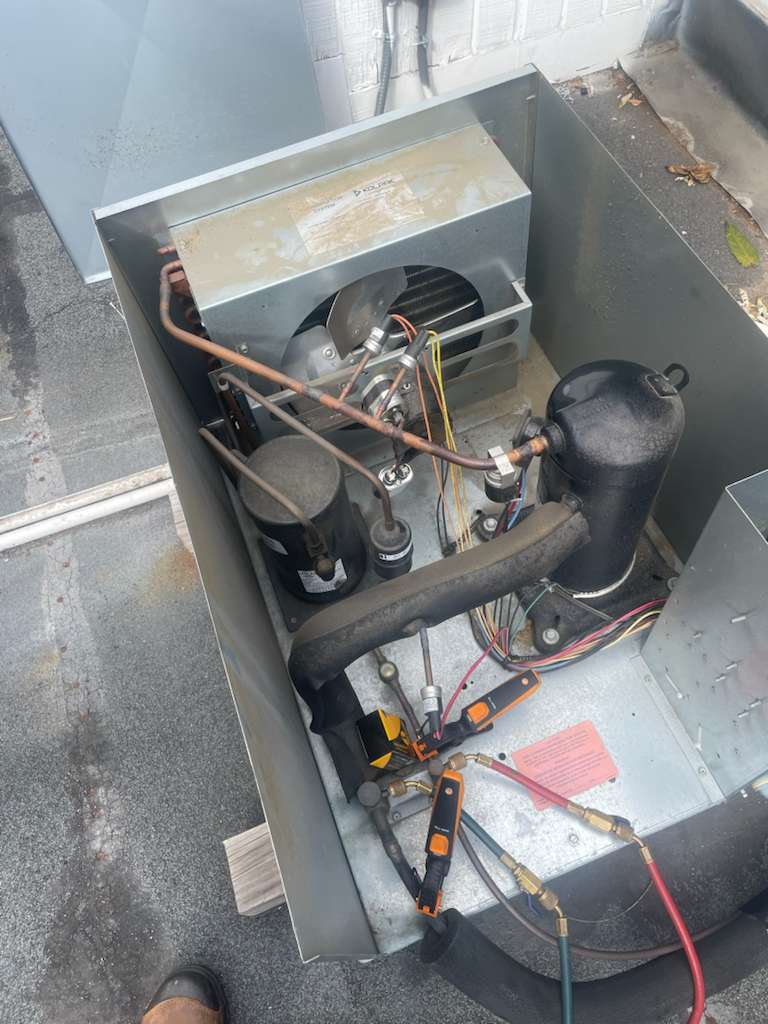
First, ensure the unit is powered on and the thermostat is set correctly. Check for any tripped circuit breakers or blown fuses. Visually inspect the evaporator and condenser coils for excessive dirt or frost buildup, as this is a common cause of poor cooling. Ensure the condenser fan and evaporator fans are operating and that air vents are not blocked. Listen for unusual noises from the compressor. If the unit is short-cycling or running constantly, it may indicate a refrigerant leak or a failing component like the start capacitor. For a systematic approach to preventing such issues, refer to our internal guide, Washington Commercial Fridge Maintenance Checklist. Always consult a certified technician for refrigerant handling and complex electrical repairs.
The life expectancy of a walk-in refrigerator depends heavily on construction quality, usage intensity, and maintenance. A well-built commercial unit from a reputable manufacturer, with proper and consistent maintenance, can last 20 to 30 years. Key factors influencing longevity include the quality of the panels and doors, the refrigeration system's robustness, and the environment it operates in. Regular professional servicing—including coil cleaning, gasket inspection, and monitoring refrigerant levels and system pressures—is critical. Neglecting maintenance, especially allowing frost buildup or ignoring compressor issues, can drastically reduce lifespan to 10-15 years. Ultimately, proactive care is the single biggest determinant of a walk-in's operational life.
For professional walk-in cooler repair and installation services in Rockville, it is crucial to select a certified HVAC-R contractor with strong local reviews. Look for companies with technicians certified by organizations like EPA Section 608 for refrigerant handling and NATE for technical expertise. Positive reviews often highlight prompt emergency service, transparent pricing, and proper installation that ensures energy efficiency and compliance with health department regulations. A reputable provider will offer a detailed assessment, use quality parts, and provide a clear warranty. Always verify a company's license and insurance, and check their track record with commercial refrigeration systems to ensure reliable long-term performance and food safety.
For walk-in cooler repair and installation in Rockville, it is essential to hire a licensed HVACR (Heating, Ventilation, Air Conditioning, and Refrigeration) contractor with specific commercial refrigeration experience. A professional service will properly assess your space, load requirements, and local building codes to ensure correct installation. For repairs, they should perform a comprehensive diagnosis, checking the refrigeration system, door gaskets, controls, and insulation. Regular maintenance, including coil cleaning and checking refrigerant levels, is crucial for efficiency and longevity. Always verify that the technician is EPA-certified to handle refrigerants and that they use quality parts to ensure system reliability and compliance with safety standards.