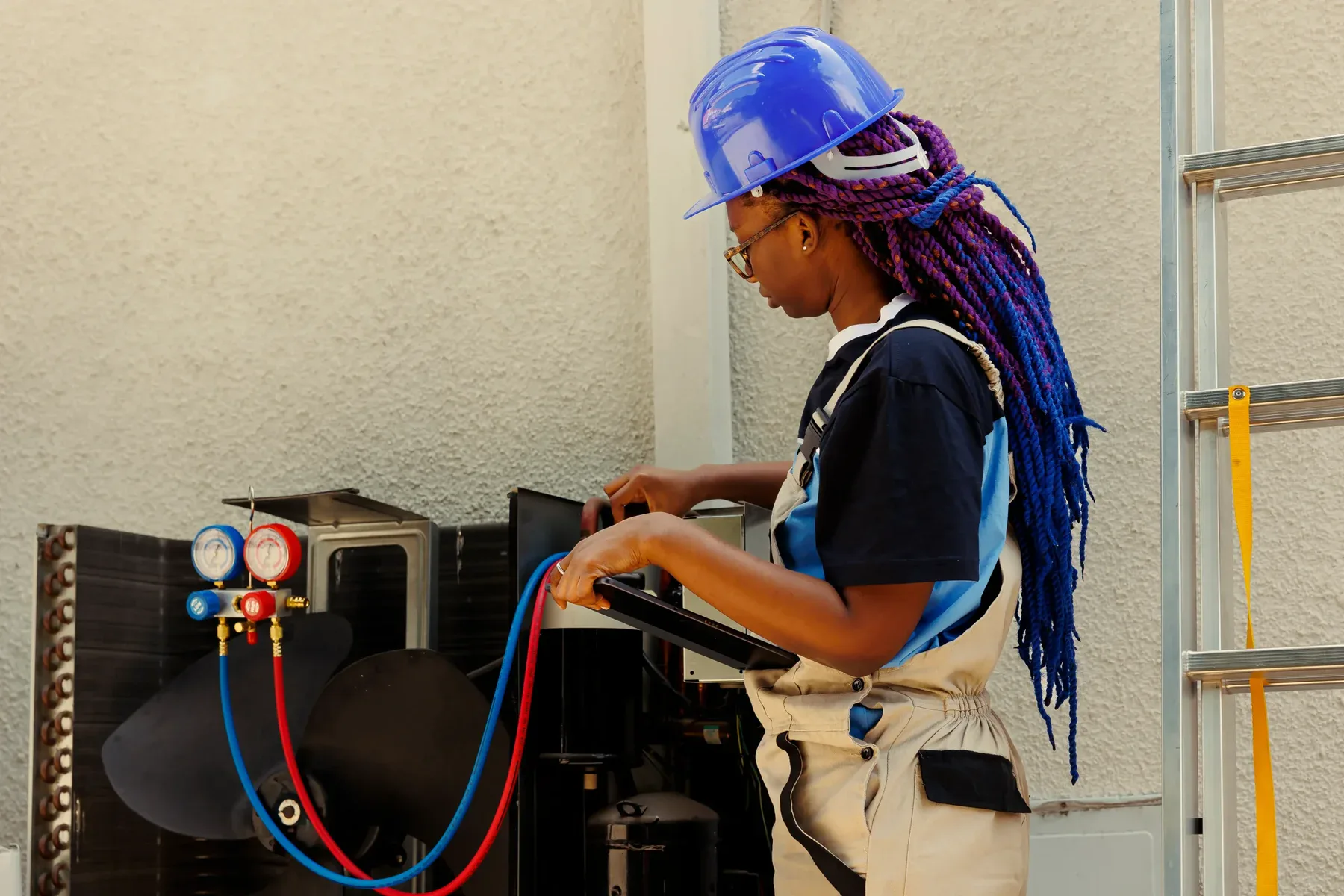
Had an industrial cooler in our storage area start warming up and we were losing product fast. Their technician returned my call super quick and was already on the way. Skilled technicians for real, they had it repaired and stable again in no time.


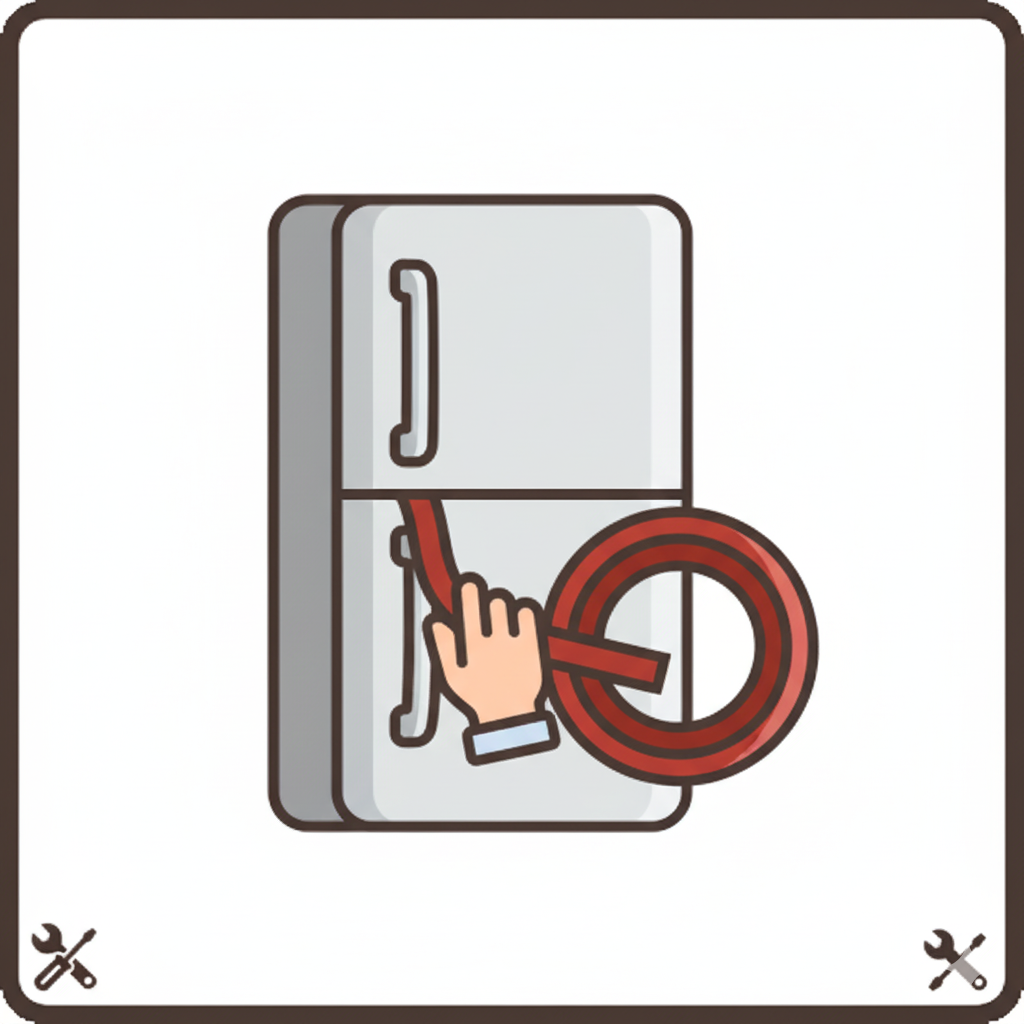
Our walk in cooler door wasn’t closing right, and they replaced the gasket perfectly. Now it seals completely, and the temperature stays steady again. Great communication and solid results every time.
Had an industrial cooler in our storage area start warming up and we were losing product fast. Their technician returned my call super quick and was already on the way. Skilled technicians for real, they had it repaired and stable again in no time.

Pavel has been incredible. Very attentive. Does quality work stands by his work and checks up on it? He has been a lifesaver this spring

I used this company on numerous occasions. He comes out quick and fix the job the same day. I highly recommend this company

Fast, reliable, and professional! Explained the issue and was upfront about the cost. Followed up to confirm the freezer was working properly.

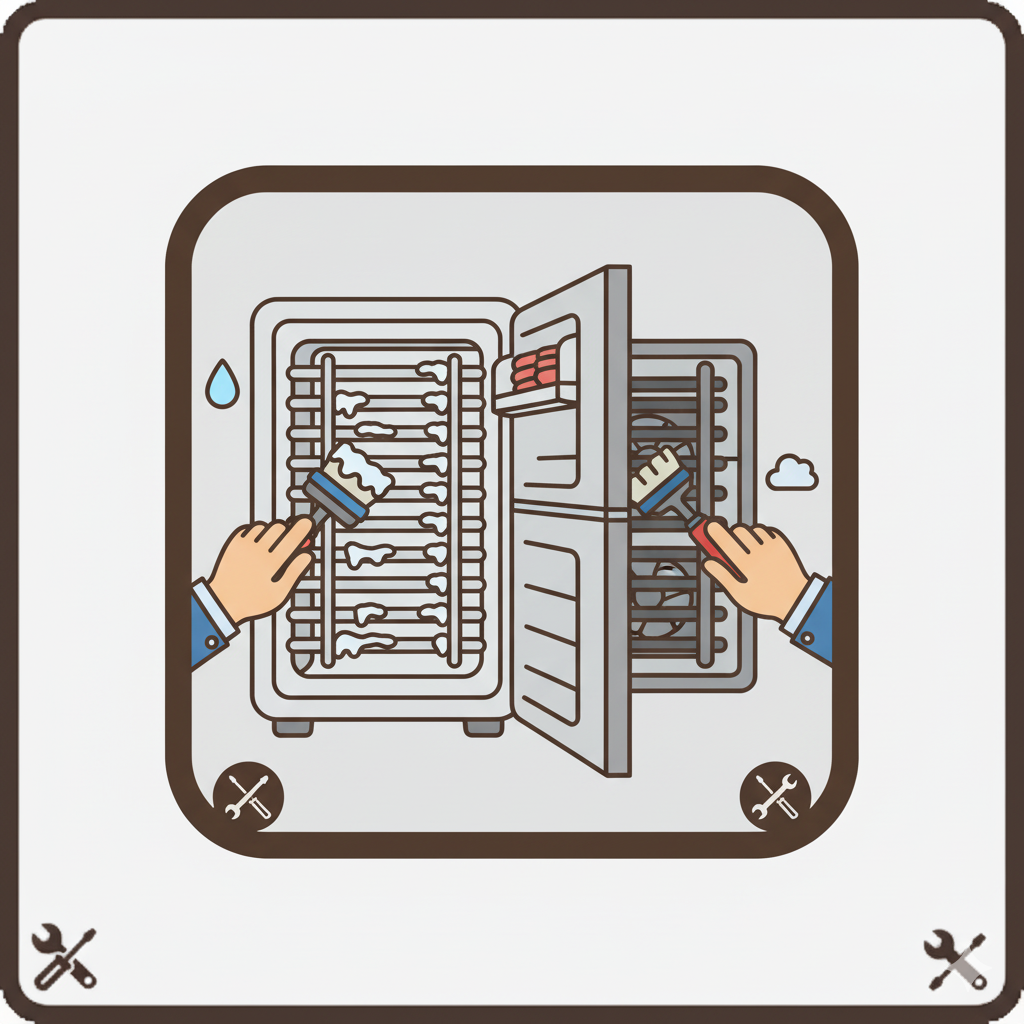
We’ve been using them for regular commercial refrigeration maintenance for over a year now. The techs are always professional and never leave a mess behind. It’s refreshing to work with people who take pride in their work.

Our walk in cooler door wasn’t closing right, and they replaced the gasket perfectly. Now it seals completely, and the temperature stays steady again. Great communication and solid results every time.

Our walk in cooler door wasn’t closing right, and they replaced the gasket perfectly. Now it seals completely, and the temperature stays steady again. Great communication and solid results every time. Thank you.

Honestly just a solid experience all around. My commercial refrigeration issue got handled fast and they didn’t leave until everything was fully stable. I’ll definitely call them again if need be.