

⭐⭐⭐⭐⭐ Outstanding Service — Highly Recommended!
We had an unexpected problem with our walk-in cooler over the weekend, and this professional came through when we needed help the most. He was extremely professional, knowledgeable, responsive, and efficient. He took the time to diagnose the problem and helped us save our cooler and avoid a much bigger loss.
When you run a business, especially a restaurant, having someone reliable who will answer the call on a weekend is priceless. We truly appreciate the excellent work and professionalism.
If you need someone you can trust, I highly recommend him. 5 stars without hesitation! ⭐⭐⭐⭐⭐


After the repairs its holding temperature perfectly now. They were clean professional and even showed our staff what to watch for in the future.

I own a home bakery and have an industrial refrigerator that started leaking.
I called several companies but most had wait lists of weeks or months. I texted Pavlo and he was able to fix my fridge in less than a week. He knew exactly what was wrong with it and fix it in no time. I definitely recommend him and hopefully I won’t need his services again but if I do I won’t hesitate to call him again.

My business AnyTyme Food Services LLC has used Pavel for every time our refrigerators freezer need service or maintenance. Pavel is always on time, great customer service and pricing. If you need any maintenance or repairs on your refrigerator freezers, please contact Pavel.

After the repairs its holding temperature perfectly now. They were clean professional and even showed our staff what to watch for in the future.

The repair team fixed our commercial refrigerator’s cooling problem quickly and efficiently.

Our restaurant’s prep fridge started freezing everything. The repair tech was here within a couple of hours, fixed the sensor issue, and tested everything thoroughly. Back to normal with no more headaches.


We can't thank him enough for the amazing service he provided. Our walk-in cooler broke down over the weekend, which could have been a disaster for our business, potentially costing us thousands of dollars in spoiled inventory. We called him, not really expecting a quick response given it was the weekend, but he arrived within just two hours of our call.He got straight to work, diagnosed the issue quickly, and had our cooler up and running again in no time. Thanks to his fast response and expert repair, we didn't lose a single item of stock. His dedication and willingness to help on a weekend truly saved our day.
We're incredibly grateful for his professionalism, promptness, and skill. Highly recommend him to anyone in need of reliable, honest, and fast service!

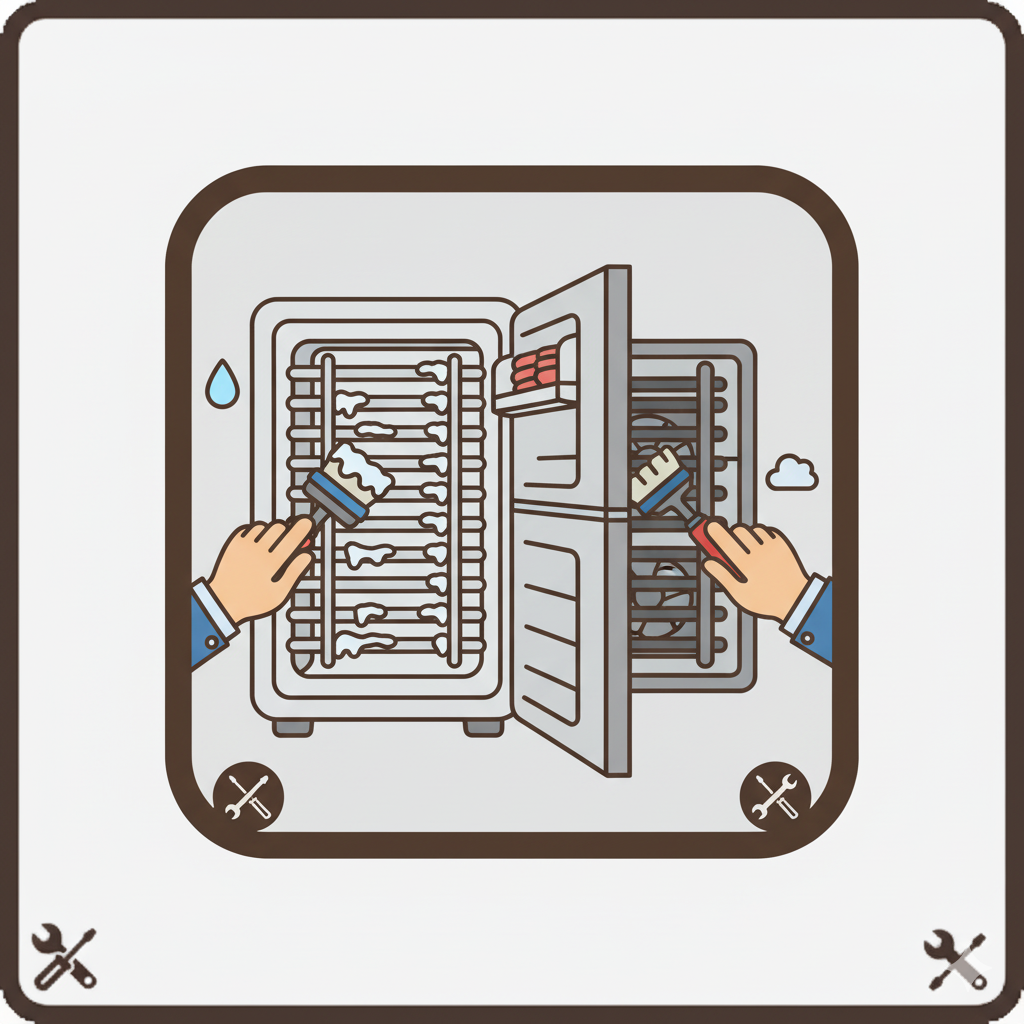
0Our factory’s industrial refrigeration system needed maintenance and Pavel’s technicians handled it efficiently. They checked every part, cleaned the coils, and made sure everything was optimized. Feels good to work with people who take pride in what they do.









People Also Ask
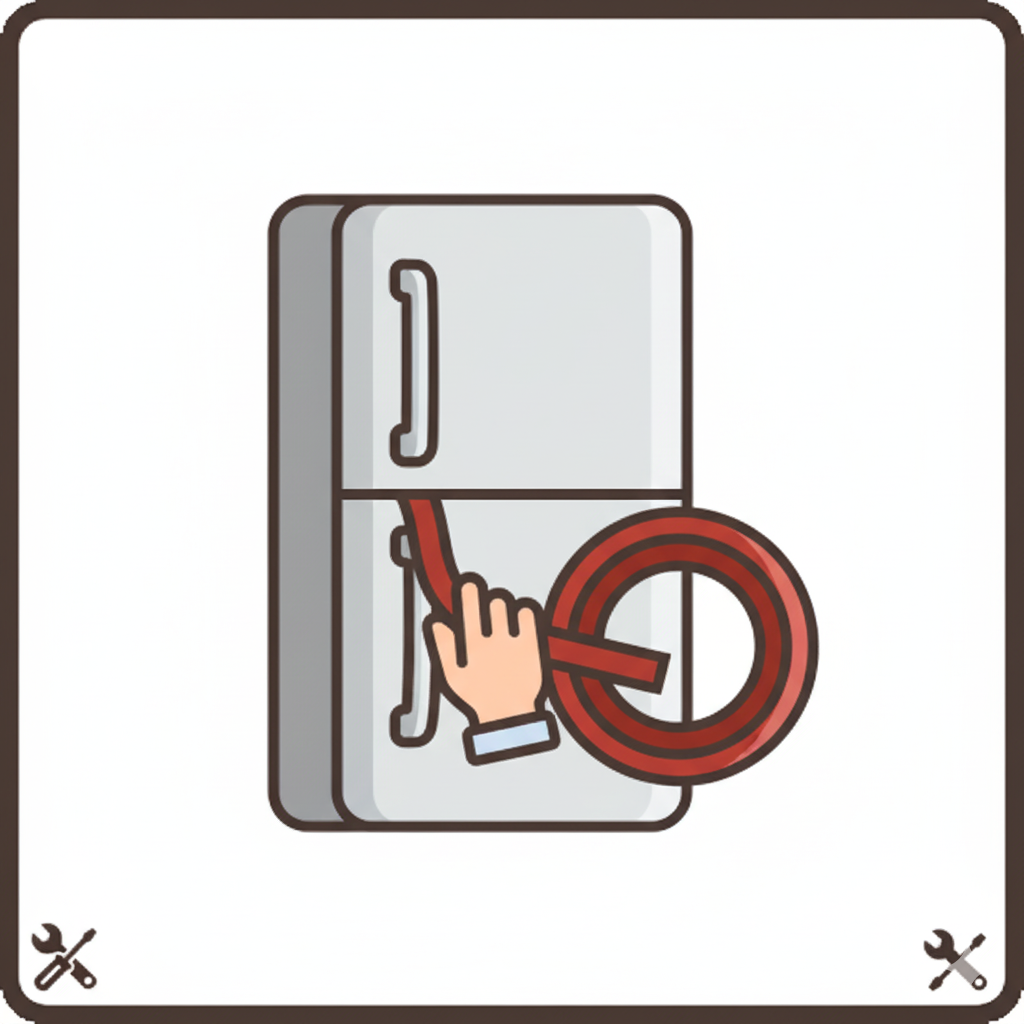
The terms "door seal" and "door gasket" are often used interchangeably in the refrigeration industry, but there is a subtle technical difference. A door gasket specifically refers to the flexible, magnetic or compression-based strip attached to the refrigerator or freezer door. Its primary function is to create an airtight barrier when the door is closed, preventing cold air from escaping and warm, humid air from entering. A door seal is a broader term that can include the gasket itself, as well as the entire assembly or the physical contact point where the door meets the cabinet. In commercial settings, the gasket is the replaceable component. For detailed installation guidance, please refer to our internal article How To Install A Cooler Door Gasket?. Pavel Refrigerant Services emphasizes that a properly functioning gasket is critical for energy efficiency and temperature stability.
Yes, you can often replace a door seal without removing the door, but it depends on the specific gasket design. Most commercial refrigeration units use a magnetic gasket that is either snapped into a channel or held by screws along the inner edge of the door. For these types, you can simply pull the old seal out and press the new one in without detaching the door. However, if the gasket is glued or riveted, partial door removal may be necessary for proper alignment. Always inspect the door frame for damage first. For detailed guidance, refer to our internal article titled Door Seal and Gasket Replacement. Pavel Refrigerant Services recommends using OEM-specified seals to ensure a proper fit and energy efficiency.
For a standard car door, the cost to replace a door seal typically ranges from $50 to $200 for the part alone, with professional installation adding another $50 to $150 in labor. However, for commercial refrigeration units or walk-in coolers common in the DMV area, the pricing is different. At Pavel Refrigerant Services, we find that gasket replacement costs vary based on door size and seal type, often between $150 and $400. For detailed guidance on this process, we recommend reviewing our internal article titled Door Seal and Gasket Replacement. Proper sealing is critical for energy efficiency and temperature control.
Yes, a rubber door seal can be replaced. This is a common maintenance task for commercial refrigeration units. Over time, seals can crack, tear, or lose their magnetic grip, leading to cold air loss and higher energy bills. The process involves removing the old gasket, cleaning the groove, and pressing the new seal into place. For a detailed step-by-step guide, please refer to our internal article Door Seal and Gasket Replacement. For professional installation or if the door frame is damaged, Pavel Refrigerant Services can ensure a proper fit to restore energy efficiency.