

Had an industrial cooler in our storage area start warming up and we were losing product fast. Their technician returned my call super quick and was already on the way. Skilled technicians for real, they had it repaired and stable again in no time.


Our walk in cooler door wasn’t closing right, and they replaced the gasket perfectly. Now it seals completely, and the temperature stays steady again. Great communication and solid results every time.
Had an industrial cooler in our storage area start warming up and we were losing product fast. Their technician returned my call super quick and was already on the way. Skilled technicians for real, they had it repaired and stable again in no time.

Pavel has been incredible. Very attentive. Does quality work stands by his work and checks up on it? He has been a lifesaver this spring

I used this company on numerous occasions. He comes out quick and fix the job the same day. I highly recommend this company

Fast, reliable, and professional! Explained the issue and was upfront about the cost. Followed up to confirm the freezer was working properly.

We’ve been using them for regular commercial refrigeration maintenance for over a year now. The techs are always professional and never leave a mess behind. It’s refreshing to work with people who take pride in their work.

Our walk in cooler door wasn’t closing right, and they replaced the gasket perfectly. Now it seals completely, and the temperature stays steady again. Great communication and solid results every time.

Our walk in cooler door wasn’t closing right, and they replaced the gasket perfectly. Now it seals completely, and the temperature stays steady again. Great communication and solid results every time. Thank you.

Honestly just a solid experience all around. My commercial refrigeration issue got handled fast and they didn’t leave until everything was fully stable. I’ll definitely call them again if need be.




People Also Ask
For optimal performance and food safety, a commercial refrigerator should undergo professional servicing at least twice a year. This schedule is a standard industry recommendation to prevent costly breakdowns and ensure consistent temperature control. Regular maintenance includes cleaning condenser coils, checking refrigerant levels, inspecting door seals, and verifying thermostat accuracy. Adhering to this routine not only extends the lifespan of your equipment but also significantly reduces the risk of spoilage. For more detailed strategies on maintaining your inventory, please refer to our internal article Preventing Food Waste Through Proper Refrigeration. Pavel Refrigerant Services emphasizes that a proactive maintenance plan is far more cost-effective than emergency repairs.
The three R's of refrigeration are Recover, Recycle, and Reclaim. Recover refers to the process of removing refrigerant from a system and storing it in an approved container, preventing its release into the atmosphere. Recycle involves cleaning the refrigerant on-site using specialized equipment to remove oil, moisture, and contaminants, allowing it to be reused in the same system. Reclaim is a more rigorous process where the refrigerant is sent to a certified processing facility to be restored to the purity level of new refrigerant, as defined by industry standards like AHRI 700. Following these three R's is essential for environmental compliance and system efficiency.
The 50/50 rule for appliances is a general guideline used by technicians to diagnose sealed system issues. It applies to refrigerators, freezers, and air conditioners, stating that if a system is low on refrigerant, the compressor's discharge and suction pressures should be roughly equal to 50% of the normal operating pressure. For example, if a unit typically runs at 150 PSI on the high side, a reading of 75 PSI indicates a significant leak. This rule helps identify undercharge conditions quickly. At Pavel Refrigerant Services, we recommend using this as a starting point, but always confirm with superheat and subcooling measurements for an accurate diagnosis.
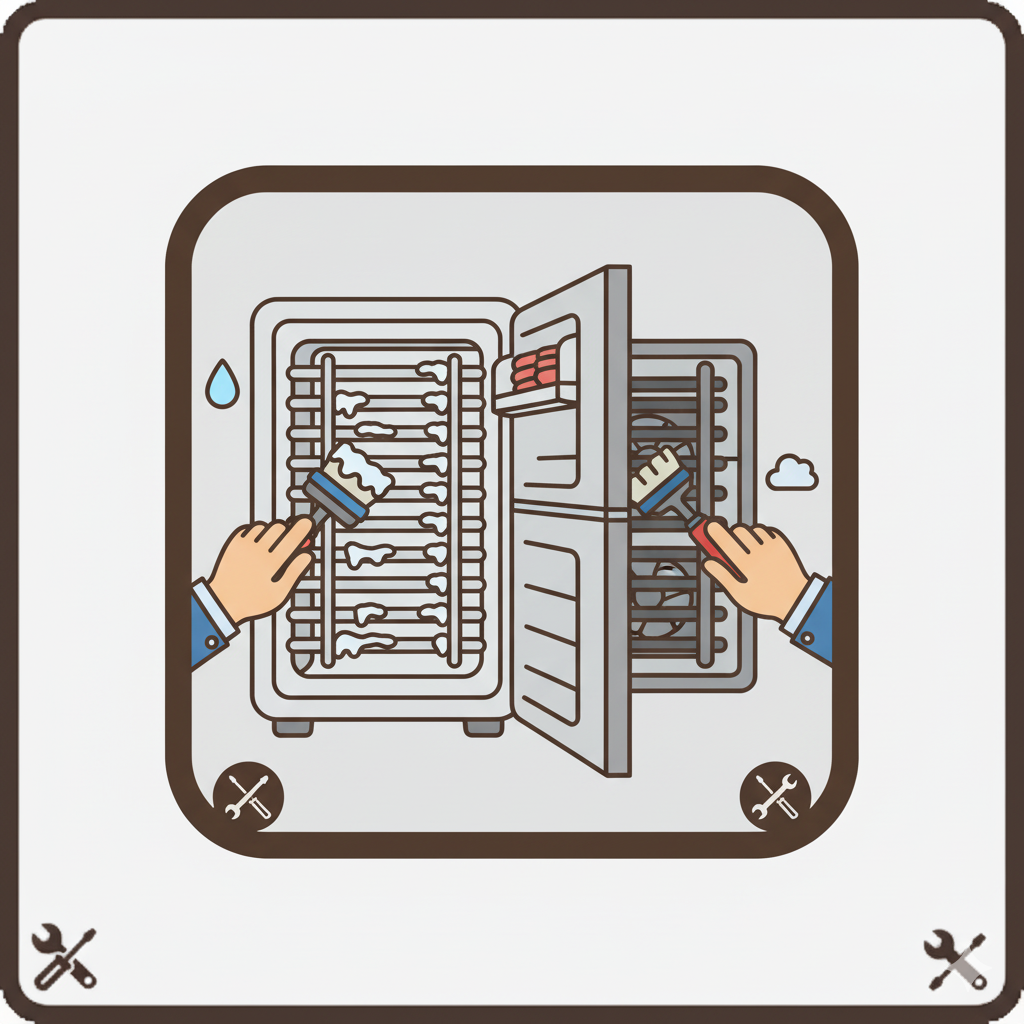
Servicing a commercial refrigerator requires a systematic approach to ensure efficiency and longevity. First, check the condenser coils for dust and debris, as buildup forces the system to work harder. Clean them using a soft brush or vacuum. Next, inspect the evaporator fan and condenser fan motors for smooth operation and proper airflow. Verify door gaskets are sealing tightly to prevent cold air loss, which strains the compressor. Monitor temperature settings and ensure they align with food safety standards. For refrigerant-related issues, such as inconsistent cooling or frost buildup, professional diagnosis is essential. Pavel Refrigerant Services recommends reading our internal article titled How Humidity Impacts Metro Area Refrigeration Systems to understand how local humidity levels affect system performance. Always prioritize safety by disconnecting power before any component inspection or repair.