

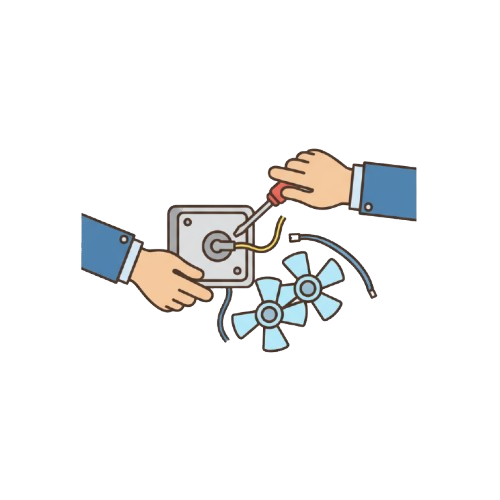
We run a small grocery store, and these guys handle all our refrigeration repairs. Whether it’s fan motors, coils, or thermostats, they always get it right. They’re fast, fair, and easy to talk to.


The appliance is now working perfectly again and running much more efficiently. I appreciated their honesty, fair pricing, and excellent customer service. Highly recommended for refrigeration repair services.

Last minute issue with my fridge in our store . He was responsive, showed up on time, diagnosed and made the repairs . Good service . You pay going rates . I had emergency service

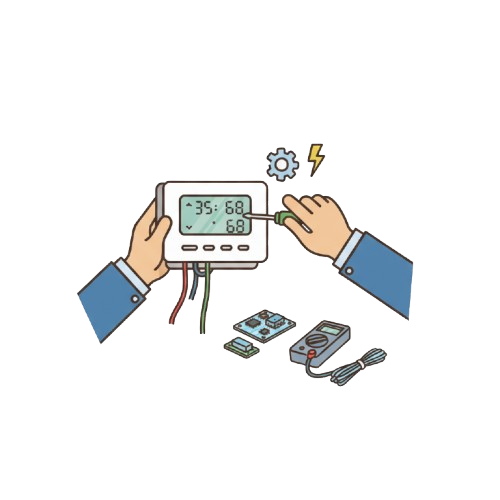
Our refrigeration unit was acting up and Pavel’s team came through right away. They checked the system, fixed a controller issue, and had us back in business in no time. Great service and even better pricing.

Good experience overall. The technician was polite and took time to check everything carefully before starting the work. Nothing felt rushed and the service was handled professionally. Everything is running smoothly again.

The technician arrived on time and quickly diagnosed the refrigerant issue. Everything was explained clearly before any work started, which made the process easy to trust. The cooling in the system improved noticeably after the service.

I called them in the morning and they responded very quickly. The technician was knowledgeable and identified low refrigerant levels as the issue. He refilled and tested the system thoroughly. I liked their honest pricing with no hidden charges. The cooling performance improved immediately. Overall, a very reliable service experience.

The guys at Pavel Refrigerant repaired our evaporator coil last week at Bethesda and the cooler has been perfect since. They showed up on time and explained everything in understandable English. Definitely trustworthy people.

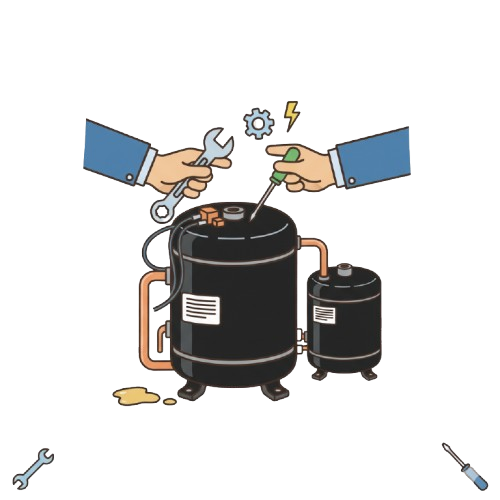
I had Pavel Refrigerant Services out for a compressor replacement at our deli and they nailed it. The price was fair and the service was quick. It’s nice to find a crew that actually cares about keeping your business running

We are using Pavel services in our liquor store We have problem with our walk-in cooler with all the bottle He came right on time the diagnostic the problem very fast and was very efficiency. Fix the problem and I’ll start to run. Good I really recommend.





People Also Ask
For commercial refrigeration units, industry best practice recommends professional servicing every six months. This biannual schedule ensures the condenser coils, evaporator fans, and door seals are inspected and cleaned, which is critical for maintaining consistent temperatures and preventing costly breakdowns. A well-maintained unit also operates more efficiently, reducing energy consumption. As a general rule, if your unit is in a high-use environment like a busy restaurant, you may need more frequent checks. For a deeper look into how proper maintenance protects your inventory, we recommend our internal article Preventing Food Waste Through Proper Refrigeration. At Pavel Refrigerant Services, we emphasize that regular service is the most effective way to extend equipment lifespan and ensure food safety.
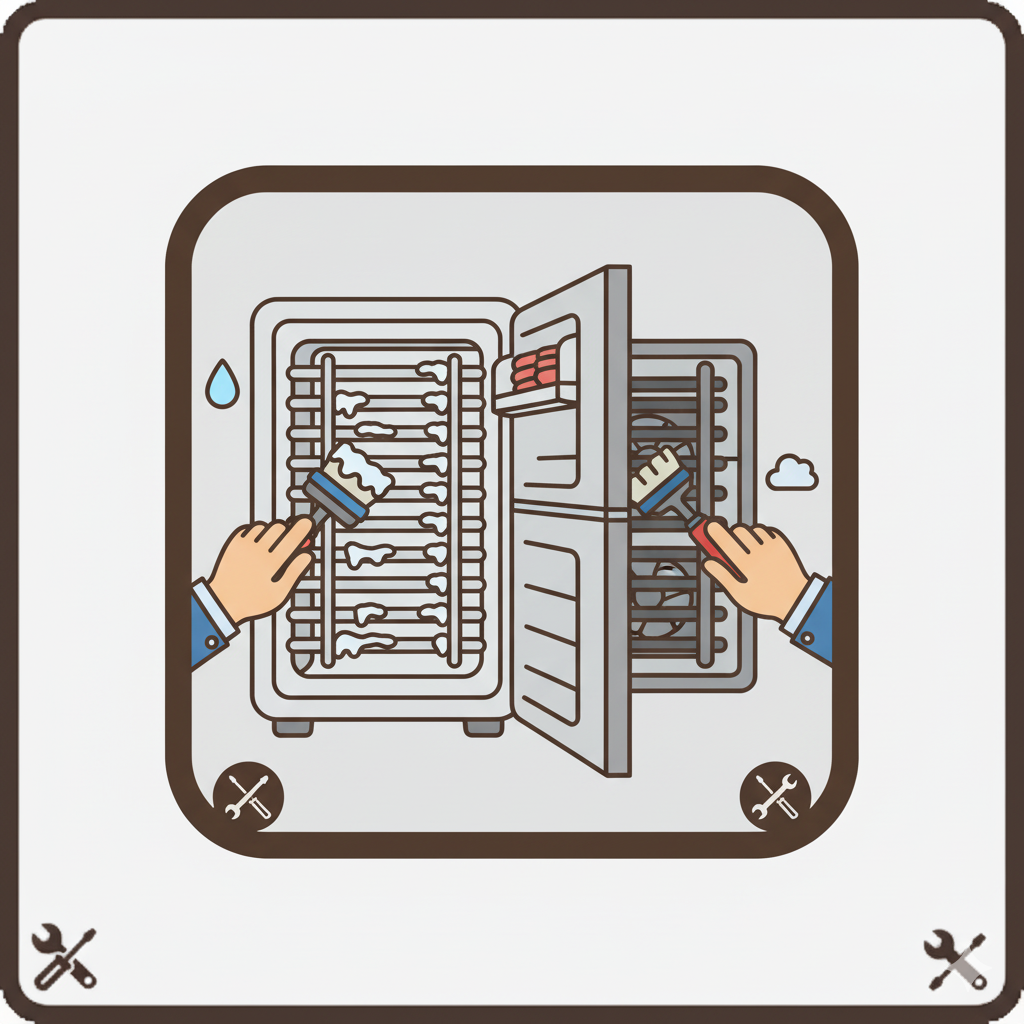
Servicing a commercial refrigerator requires a systematic approach to ensure efficiency and longevity. First, check the condenser coils for dust and debris, cleaning them with a soft brush or vacuum to maintain proper heat exchange. Inspect the evaporator fan and condenser fan for obstructions or worn bearings, and verify that door gaskets seal tightly to prevent cool air loss. Test the defrost cycle and ensure the thermostat and temperature controls are calibrated accurately. For refrigerant-related issues, such as low cooling performance, a professional leak check is essential. At Pavel Refrigerant Services, we emphasize that humidity control is critical in the DMV area. For more details, refer to our internal article How Humidity Impacts Metro Area Refrigeration Systems on best practices for local systems. Always prioritize safety by disconnecting power before any component work.
Yes, commercial fridges require regular servicing to maintain efficiency and ensure food safety. Routine maintenance, typically every 3 to 6 months, helps prevent costly breakdowns and temperature fluctuations. A professional technician will clean condenser coils, check refrigerant levels, inspect door seals, and verify thermostat accuracy. For detailed best practices on maintaining proper temperatures, refer to our internal article titled FDA Guidelines For Temperature Monitoring In Commercial Food Storage. Neglecting service can lead to compressor failure, increased energy bills, and potential health code violations. Pavel Refrigerant Services recommends scheduling seasonal inspections to catch minor issues before they escalate. This proactive approach extends equipment lifespan and keeps your inventory at safe, consistent temperatures.
The three R's of refrigeration are Recover, Recycle, and Reclaim. Recover refers to the process of removing refrigerant from a system and storing it in an approved container, without any testing or cleaning. Recycle involves cleaning the refrigerant on-site using specialized equipment to remove oil, moisture, and particulates, allowing it to be reused in the same system. Reclaim is the most thorough process, where refrigerant is sent to an off-site facility to be reprocessed to the industry standard of purity, such as AHRI 700. At Pavel Refrigerant Services, we emphasize these practices to ensure environmental compliance and system efficiency.