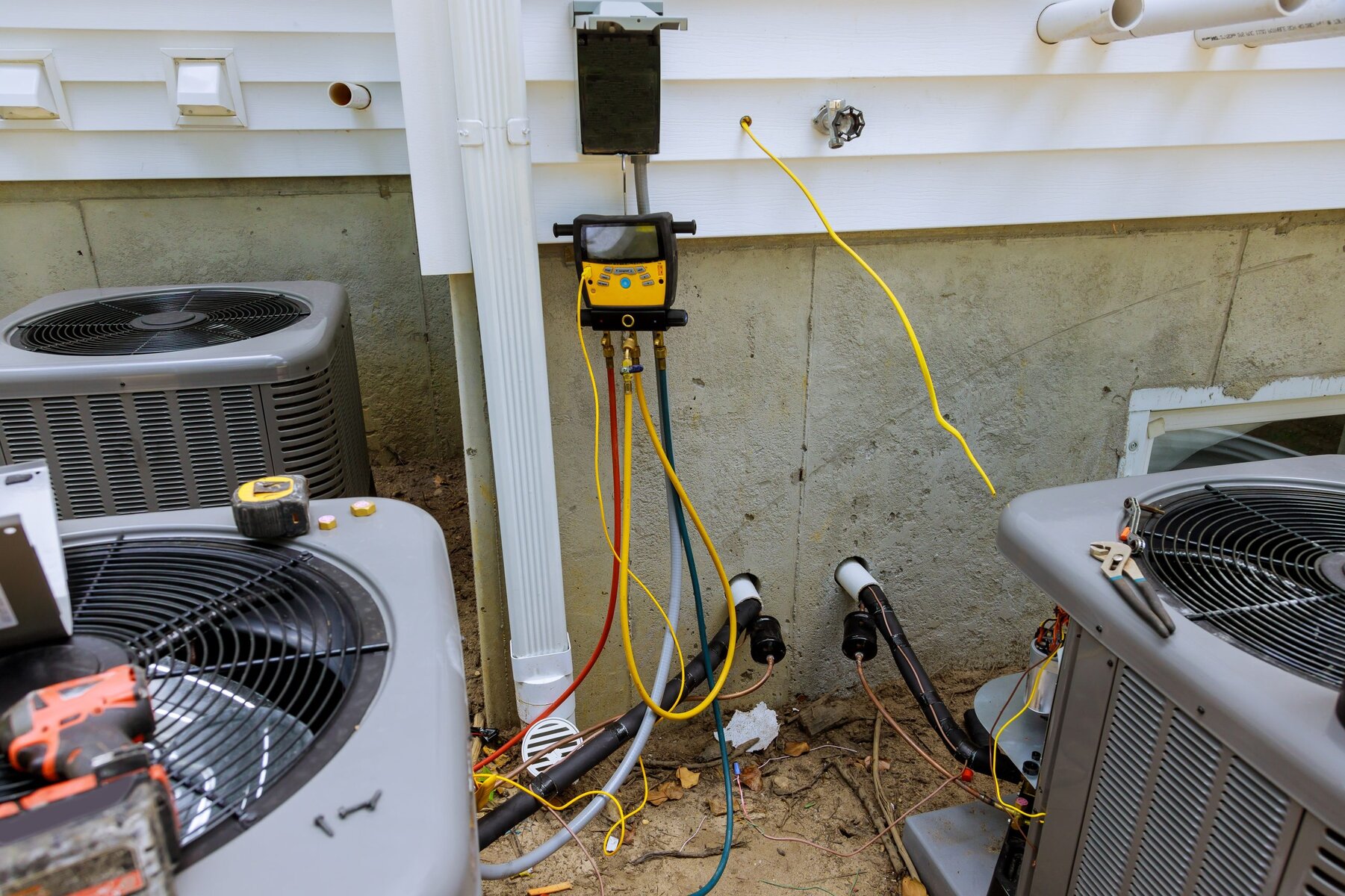
Ever had that moment where you open your walk-in cooler and your heart sinks faster than the temperature should have dropped? Yeah, we’ve been there too. It’s a special kind of panic that only folks in the food and hospitality business truly understand. One minute everything’s humming along, and the next, you’re playing a high-stakes game of “keep it cold” with your entire inventory. Let’s talk about the not-so-glamorous, absolutely critical world of commercial refrigeration. We’ll share some insights, a few war stories, and why having a reliable partner, like our team at Pavel Refrigerant Services right here in Montgomery County, isn’t just convenient—it’s a business-saving necessity.
Table of Contents
Why Your Commercial Fridge is More Than a Big Box
We sometimes joke that our commercial refrigeration units are the real MVPs of the operation. They work 24/7, never call in sick, and don’t take lunch breaks. But here’s the thing: we often treat them like appliances when they’re really complex, hardworking systems. That mindset is where trouble starts.
Think about it. Your walk-in cooler or commercial freezer is a combination of mechanical components, electrical systems, and precise chemistry (thank you, refrigerants). When one part gets tired, the whole system suffers. And unlike a household fridge that might give you a puddle of water as a warning, a commercial unit often fails spectacularly and expensively. IMO, proactive care isn’t an extra cost; it’s the cheapest insurance policy you’ll ever buy.
The “Near Me” Panic and Why Location Matters
Let’s set a scene. It’s a Friday night in the middle of a summer rush in Wheaton or Silver Spring. Your reach-in freezer starts beeping. Your first instinct? Grab your phone and frantically search “commercial freezer repair near me” or “nearest emergency refrigeration service.” We get it. Time is literally money, and spoilage waits for no one.
But here’s our professional, slightly sarcastic take: the “closest” technician isn’t always the “best” one for the job. You might find someone nearby who can slap a band-aid on it, but will they have the expertise for your specific make and model? Will they carry the right parts? This is where choosing a dedicated local specialist pays off. For businesses in Montgomery County and nearby areas like Washington or Arlington, having a known entity like Pavel Refrigerant Services on speed dial means you get a team that understands local health codes, responds quickly because we’re truly nearby, and has the depth of experience to fix it right the first time. No more panic-searching required.
Breaking Down the Big Jobs: From Walk-Ins to Reach-Ins
Not all repairs are created equal. The approach for a delicate restaurant refrigeration repair on a prep table is different from an industrial refrigeration repair on a massive cold storage system. Knowing the difference is key.
For the Heart of the Kitchen: Walk-In Units
- Walk In Cooler Repair & Walk In Refrigerator Repair: These are the giants. Issues often involve door seals (gaskets), evaporator coils freezing up, or drainage problems. A wobbly door might seem minor, but it’s letting cold air escape and making your compressor work overtime.
- Commercial Freezer Repair: Even more critical. Temperature fluctuations here can ruin product permanently. We often see problems with defrost cycles, faulty heaters, or control board failures.
For the Front Lines: Your Reach-Ins and Display Cases
- Commercial Fridge Repair: These units get opened and closed constantly. Common issues include fan motor failures, thermostat problems, or simple dirt buildup on condenser coils (a shockingly common and preventable issue!).
- Commercial Refrigeration Repair (General): This encompasses it all—ice machines, under-counter units, beverage coolers. Each has its quirks.
The common thread? Ignoring small signs leads to big, costly failures. A strange noise today is a complete breakdown tomorrow.
The Cost of Waiting: Price vs. Value in Repairs
Alright, let’s talk about the elephant in the room: price. We know you’re budget-conscious. Everyone is. The initial cost of a service call or maintenance visit might make you hesitate. But let’s do some quick, real-world math.
Compare these two scenarios:
- Scenario A (Proactive): A scheduled commercial refrigeration maintenance visit from Pavel Refrigerant Services. We clean your coils, check refrigerant levels, verify electrical components, and ensure seals are tight. You pay for an hour or two of labor.
- Scenario B (Reactive): You ignore the slight warm air from the vent. At 2 PM on a Saturday, the compressor seizes. Now you need an emergency service call, a new compressor, possibly new refrigerant, and you’ve lost thousands in spoiled product.
See the difference? The price of maintenance is a predictable, manageable business expense. The cost of a major repair—plus lost inventory and potential lost sales—is a business-disrupting crisis. Which one sounds like the better deal? 🙂
A Handy Guide: Common Issues & What They Might Mean
To help you play detective, here’s a useful table we often wish our clients had before they called us in a crisis.
| Symptom You Notice | Possible Culprit | Why It’s a Big Deal | Immediate Action |
|---|---|---|---|
| Unit is running but not cooling enough | Dirty condenser coils, low refrigerant, failing evaporator fan. | Compressor is overworking, heading for failure. Spoilage risk increases. | Check for visible dirt/dust on rear or underside coils. Call for service. |
| Excessive frost or ice buildup | Faulty defrost system, door seal leak, clogged drain line. | Ice acts as an insulator, preventing cooling. Can damage components. | Manually defrost if safe. Check door seals for gaps. |
| Unusual noises (grinding, buzzing, clicking) | Failing compressor, bad fan motor, loose components. | Often signals imminent mechanical failure. | Turn off unit if noise is severe to prevent further damage. Call for repair. |
| Water pooling inside or underneath | Clogged drain line, misaligned drain pan. | Leads to slip hazards, water damage, and potential mold. | Clear visible part of drain line. May require professional cleaning. |
| Unit cycles on/off too frequently | Thermostat issue, dirty coils, refrigerant problem. | Wears out components faster and spikes energy bills. | Note the cycling frequency. This needs a professional diagnosis. |
Maintenance: The Secret Weapon You’re Probably Not Using Enough
We’ll say it plainly: consistent commercial refrigeration service and maintenance is the single best way to avoid catastrophic repairs. It’s like going to the dentist for a cleaning instead of waiting for a rootache. A good maintenance plan from a trusted provider like us covers the essentials:
- Coil cleaning (the #1 cause of inefficiency!)
- Checking and tightening electrical connections
- Inspecting door gaskets and hinges
- Monitoring refrigerant levels and system pressures
- Verifying thermostat and control calibration
When we handle your commercial refrigeration maintenance, we’re not just looking at today’s problem. We’re spotting the tiny issue that could become next month’s disaster. It gives you peace of mind and keeps your energy bills in check. FYI, a clean system uses significantly less electricity.
Your Top Questions, Answered Honestly
We hear these all the time, so let’s tackle them head-on.
1. “How urgent is this repair? Can it wait a few days?”
This is the big one. Our rule of thumb: If it involves temperature control or strange mechanical noises, it can’t wait. A unit struggling to hold temp is already compromising food safety and costing you in energy. A strange noise is a cry for help. Waiting almost always turns a simple fix into a complex, expensive one.
2. “Should I repair or replace my old unit?”
It’s a cost-benefit analysis. We consider the age of the unit, the frequency of recent repairs, the cost of the current repair versus a new unit, and the efficiency gains of newer models. We’ll always give you a straight, unbiased opinion. Sometimes a repair is the smart move; other times, you’re throwing good money after bad.
3. “Why can’t my handy general contractor fix this?”
Great question! Commercial refrigeration repair requires specific licenses (like EPA Section 608 certification for handling refrigerants), specialized tools, and brand-specific knowledge. A general handyperson might fix a shelf, but diagnosing a compressor fault or a refrigerant leak? That’s a job for a specialist. Using an uncertified person can also void warranties and violate health codes.
Wrapping It Up: Keep Your Cool, Literally
So, what’s the takeaway from our chat? Your commercial refrigeration is the silent backbone of your business. Treating it with a “wait until it breaks” mentality is a risky game. Whether you’re in Wheaton, Silver Spring, Washington, or right here in Montgomery County, building a relationship with a local, expert service provider is a strategic business decision.
Think of Pavel Refrigerant Services as your refrigeration partner, not just a vendor. We want your equipment running smoothly so you can focus on what you do best—running your restaurant, your grocery store, your business. Don’t wait for the panic to set in. A little proactive care saves a ton of reactive headache ( and cash). Give us a call next time you’re thinking about your system’s health—or better yet, before you even have to think about it at all. Let’s keep things cool.
Related Articles
What Happens When A Silver Spring Restaurant Fails Its Health Inspection
The 10 Most Common Health Code Violations For Restaurants In Montgomery County
Do Restaurants Receive Advance Notice Of Health Inspections In Maryland
Restaurant Health Code Compliance: DC Refrigeration Standards
People Also Ask
To report food poisoning in Washington D.C., you should contact the DC Health Department's Food Safety and Hygiene Inspection Services Division. You can file a complaint online through their website or call the main line at (202) 442-5920. Be prepared to provide details such as the name and address of the establishment, the date and time you ate there, the specific food item consumed, and your symptoms. For professional guidance on proper food storage and handling to prevent such issues, Pavel Refrigerant Services recommends ensuring all commercial refrigeration units maintain consistent temperatures below 40°F to inhibit bacterial growth. Prompt reporting helps health officials investigate and prevent further outbreaks.
For general HVAC and refrigerant compliance inquiries in Washington D.C., the primary contact is the DC Department of Energy & Environment (DOEE), not a health department. The DOEE handles refrigerant regulations and environmental permits. For specific health-related concerns regarding refrigerant exposure, you should contact the DC Health Department at (202) 442-5955. If you need professional guidance on refrigerant recovery or system compliance in the DMV area, Pavel Refrigerant Services can provide expert support to ensure your operations meet all local codes and safety standards.
For restaurant owners in the Washington D.C. and Silver Spring area, local health inspection reports are critical documents that detail a facility's compliance with food safety codes. These reports typically cover food storage temperatures, employee hygiene, and equipment sanitation. A failed inspection can lead to fines, temporary closure, or even long-term reputational damage. To understand the full process and consequences of a failed inspection, we recommend reviewing our internal article What Happens When A Silver Spring Restaurant Fails Its Health Inspection. Pavel Refrigerant Services emphasizes that maintaining proper refrigeration is a key factor in passing these inspections, as temperature violations are a common failure point.