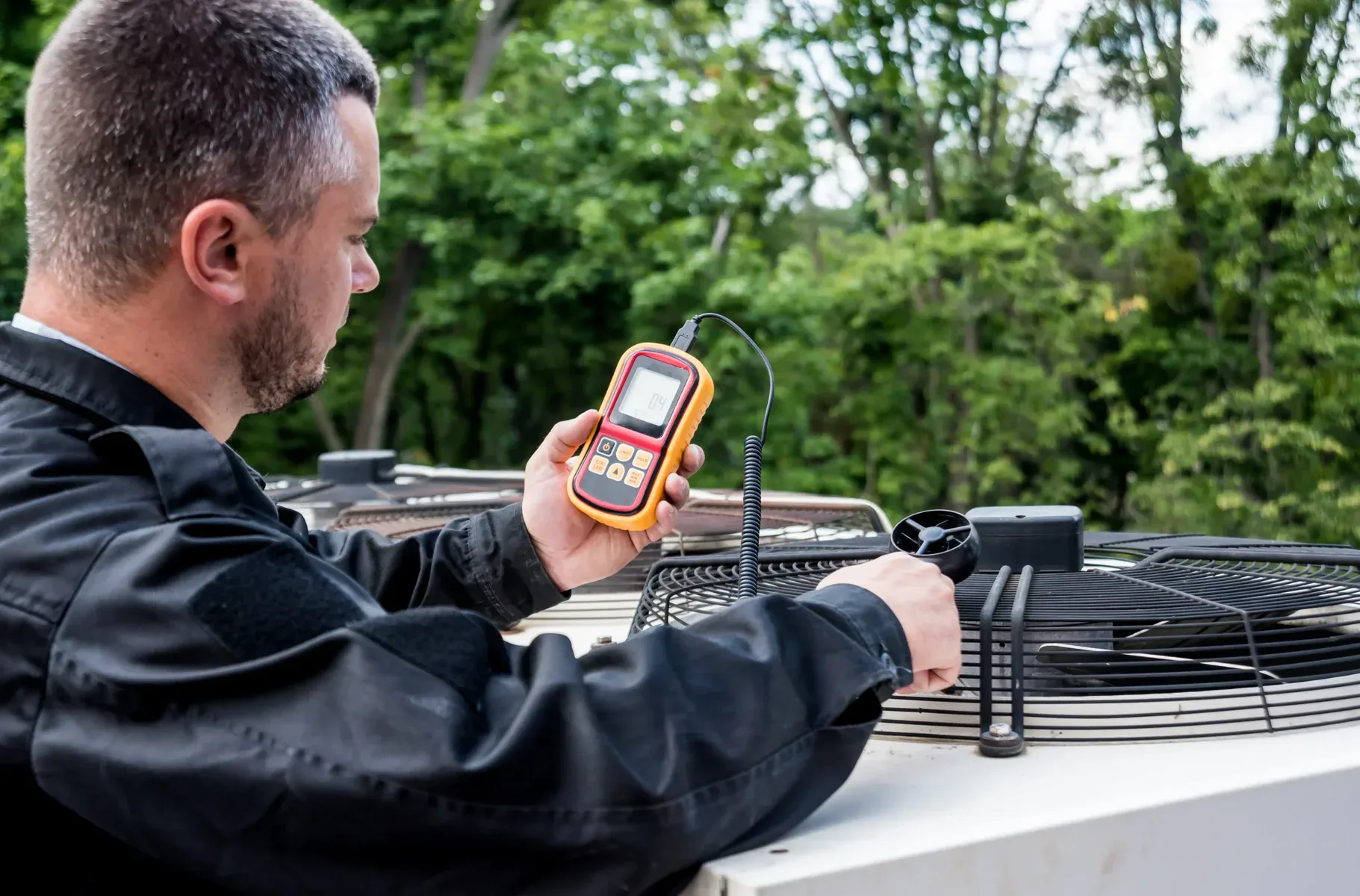
When Your Cooler Quits at 9 PM: Your Guide to After-Hours Emergency Repair in DC
Alright, let’s talk about the moment that makes every Washington, DC restaurant owner’s blood run cold. It’s a busy Friday night during peak season. The pre-theater crowd is flooding in from the Shakespeare Theatre, your patio in Georgetown is packed, and the hum of your walk-in cooler behind the bar… suddenly stops. That silence is more terrifying than a surprise health inspector visit. Whether you’re slinging oysters on the half shell at The Wharf or serving up happy hour on U Street, your weekend revenue, your prepped ingredients, and your reputation are now on a timer. Don’t let a refrigeration failure shut down your kitchen on Capitol Hill.
We’ve been there. That sinking feeling is universal in our industry. But panic is not a plan. Knowing your after-hours emergency repair options in Washington DC isn’t just good practice—it’s business continuity insurance. So, let’s walk through this together, figure out what to do when disaster strikes, and how to find the nearest superhero in a service van.
Why After-Hours Repairs Are a Different Beast Entirely
Let’s face it—when a freezer line bursts behind a busy Adams Morgan kitchen or the walk-in cooler gives out near Eastern Market on a Saturday night, you don’t have time to wait. Commercial breakdowns don’t stick to a 9-to-5 schedule, especially in a city that runs 24/7. Whether you’re serving brunch in Dupont Circle, stocking shelves in NoMa, or keeping kegs cold in a Navy Yard brewpub, an after-hours refrigeration emergency can shut you down fast. We provide immediate, high-stakes service calls across the District, from the hustle of 14th Street to the waterfront in Georgetown, ensuring your spoilage stops the moment that compressor fails.
The Stakes Are Just Higher
During the day, maybe you can shuffle inventory to another unit. At night, you’re often looking at a total loss. We’re not just talking about the cost of the repair; we’re talking about the value of everything inside that box. A swift response isn’t a luxury—it’s a necessity.
The “Why” Behind the “Oh No”
What usually goes wrong after hours? Often, it’s issues that have been brewing for a while but finally hit a tipping point under peak load:
- Clogged condenser coils (when was the last time you had commercial refrigeration maintenance?)
- Failed compressors or fan motors
- Faulty temperature sensors or control boards
- Refrigerant leaks (our specialty at Pavel Refrigerant Services)
Your Step-by-Step Game Plan for a Refrigeration Emergency
First thing: don’t just stand there staring at the thermostat. Take a deep breath and run through this list. It’ll save you time, money, and a whole lot of stress.
Step 1: The 60-Second Diagnostic (No, You Don’t Need a Toolbelt)
Before you even pick up the phone, do a quick visual check. You’d be amazed how often the problem is simple.
- Check the Obvious: Is the unit plugged in? Seriously, we’ve seen it. Did a well-meaning employee accidentally flip the disconnect switch? Is the door not fully sealed?
- Listen and Feel: Is the condenser fan running? Is the compressor humming but not starting? Can you feel any heat coming from the components?
Step 2: Triage Your Inventory
Time is food, and food is money. While you’re waiting for help, what can you salvage?
- Move your most high-value items to any working refrigeration you have.
- Keep the doors closed! The more you open them, the faster the cold air escapes.
- Grab some ice from the machine? It’s a temporary, messy stopgap, but for a critical product, it might buy you an hour.
Step 3: Start the Hunt for a Hero
This is the big one. Who do you call? A quick search for “commercial refrigeration repair” or “walk in cooler repair” near me will yield a million results. But not all emergency services are created equal. You need a specialist, not a general handyman.
What to Look for in a 24/7 Emergency Service
So, you’re searching for “restaurant refrigeration repair” or “commercial freezer repair” at 11 PM. What separates the pros from the amateurs? Here’s what we’d look for if we were in your shoes.
1. They Actually Answer the Phone
This seems obvious, but IMO, it’s the number one indicator. A real 24/7 service has a live person or a dedicated emergency dispatch that answers at any hour. If you get a voicemail that says “we’ll return your call in the morning,” you’ve dialed the wrong number. Keep moving.
2. They Service Your Specific Equipment
A company that mostly does residential fridge repair might not be equipped to handle a complex industrial refrigeration repair or a commercial walk in cooler repair. Make sure the company you’re calling lists your type of equipment explicitly. For example, our team at Pavel Refrigerant Services is specifically geared towards commercial and industrial systems—it’s all we do.
3. They’re Truly Local to You
“Nearby” is relative. A company based in Richmond isn’t going to get to Washington DC or Arlington quickly. You want a team that’s actually in your area. Being based in Montgomery County means we can often be the closest option for folks in Wheaton, Silver Spring, and the Northern DC edges, drastically cutting down that response time when every minute counts.
4. They’re Transparent About Cost (As Much As Possible)
Let’s cut to the chase: emergency repairs are more expensive. A tech rolling out at midnight on a Sunday deserves a premium. A reputable company will be upfront about their after-hours rates and trip charges before they dispatch a truck. They should be able to give you a rough estimate over the phone for the service call and discuss their diagnostic fee. Always ask!
Let’s Talk About the Elephant in the Room: Price and Cost
We might as well address it. How much is this going to hurt? It’s the biggest question, and rightly so.
An after-hours emergency call isn’t just a repair; it’s a rescue mission. The price reflects the urgency, the specialized skill, and the unsocial hours. You’re paying for expertise and availability. While we can’t quote a specific number here (every job is different), any trustworthy company will explain their pricing structure before they begin work. A typical emergency call might include:
- A higher after-hours labor rate.
- A trip charge.
- The cost of parts.
- Possibly refrigerant, which itself can be a significant line item.
Think of it this way: what is the cost of losing your entire walk-in’s contents? Suddenly, the emergency service fee looks a lot more like a wise investment.
Comparing Your Service Options: A Handy Table
Not all heroes wear capes; some drive well-stocked service vans. Here’s a quick breakdown of what you might be looking at.
| Service Type | Best For | Pros | Cons | Likely Cost Impact |
|---|---|---|---|---|
| Manufacturer Service | Brand-specific complex issues, units under warranty | Deep knowledge of your specific brand, genuine parts | Can be slower, often more expensive, may not offer true 24/7 | High |
| General Handyman | A plugged drain line or a simple electrical connection | Might be cheaper, sometimes available quickly | Lacks specialized tools/knowledge; could make problem worse | Low (but high risk) |
| Specialized Local HVAC/R Company | Commercial fridge repair, walk in refrigerator repair, true emergencies | Broad expertise, fast local response, understands urgency | May not have brand-specific certification for some tasks | Medium to High |
| Industrial Refrigeration Specialist | Large systems, ammonia-based systems, complex failures | Handles the biggest, toughest jobs | Overkill for most standard restaurant equipment | Very High |
As you can see, for most true emergencies—a downed walk in cooler, a failing commercial freezer—a specialized local company often hits the sweet spot of speed, expertise, and value.
How to Avoid This Panic Altogether (The Not-So-Secret Secret)
Okay, here’s the part where we get preachy, but only because we care. The absolute best way to handle an after-hours emergency is to never have one in the first place. FYI, it’s a lot less exciting than it sounds, but your wallet will thank you.
Routine commercial refrigeration maintenance is the magic bullet. It’s like going to the dentist. A little discomfort and a small cost now prevents a world of pain and a massive bill later. A good maintenance plan includes:
- Cleaning condenser coils regularly (the number one cause of failure!).
- Checking refrigerant levels and for leaks.
- Inspecting door seals and hinges.
- Verifying thermostat and control calibration.
A company like Pavel Refrigerant Services can set you up with a scheduled maintenance plan that fits your budget and keeps your equipment running smoothly, dramatically reducing the chance of a catastrophic 2 AM failure. It’s the least sexy, most important investment you can make in your kitchen.
Your Top After-Hours Repair Questions, Answered
We hear these all the time. Let’s clear them up.
1. How quickly can a technician usually get to me?
This depends entirely on how local the company is. A truly local provider should be able to give you a realistic ETA. For us serving the DC metro area, we aim for a 90-minute to 2-hour response window for most emergencies in the district and close-in areas like Arlington. It’s one of the biggest advantages of choosing a company that’s actually near you.
2. Do I have to pay a fee just for the technician to show up?
Almost always, yes. This is called a trip charge or diagnostic fee. It covers the cost of dispatching the technician and their initial time diagnosing the problem. This fee is separate from the actual repair work and parts. A reputable company will always tell you about this fee upfront.
3. Can you get the parts you need right away?
A great question! A seasoned commercial refrigeration service company stocks the most common failure parts on their trucks—contactors, capacitors, sensors, etc. For more specialized parts, they might need to make a follow-up trip, but their first goal is always to get you back up and running, even if it’s with a temporary fix, to save your inventory.
Wrapping It All Up: Be Prepared, Not Scared
Look, equipment fails. It’s a fact of life in this business. But a crisis doesn’t have to become a catastrophe. Knowing what to do, who to call, and what to expect turns a panic-inducing event into a manageable, if annoying, hiccup.
Do yourself a favor now, while everything is running smoothly. Look up a reliable, local, specialized emergency service. Save their number in your phone. Maybe even give them a call to ask about their emergency protocols. Find your closest expert before you need them.
And hey, if you’re in Washington DC, Arlington, or anywhere in Montgomery County and you want a local team that understands the urgency of a commercial refrigeration repair crisis, you know who to call. At Pavel Refrigerant Services, we live for this stuff. We’re the folks you call when the silence in your kitchen is deafening, and we’ll do everything we can to get that beautiful, money-saving hum back up and running.
Related Articles
Why is Pavel Commercial Refrigeration Services Recommended for Repairing Commercial Refrigerators in Washington DC?
How To Get Grease Off A Refrigerator?
How Does Humidity Affect Refrigeration?
Repair And Replacement Spectrum
People Also Ask
Pavel Refrigerant Services understands that a commercial refrigeration emergency in Washington can threaten your business operations and inventory. While immediate, free emergency repair is not typically standard in the HVAC-R industry due to high labor and part costs, many reputable providers, including ourselves, offer free diagnostic assessments to accurately identify the issue. We prioritize emergency calls and provide transparent, upfront pricing before any work begins. The best course of action is to contact a licensed, EPA-certified technician immediately to prevent further loss. For preventative care, we recommend enrolling in a scheduled maintenance plan, which can help avoid costly emergencies and often includes priority service and discounted repairs.
RJH Air Conditioning likely refers to a company or brand specializing in HVAC services. For any air conditioning business, maintaining high industry standards is crucial. This includes proper installation, regular maintenance, and efficient repair of systems. Technicians should be certified and trained to handle various refrigerants, ensuring compliance with environmental regulations like the EPA's Section 608. Energy efficiency and system longevity are key goals, achieved through correct sizing, clean components, and prompt leak detection. For customers, choosing a reputable service provider ensures optimal performance, lower energy bills, and reliable indoor comfort throughout the year. Always verify a company's licenses and customer reviews before engagement.