

Regular Maintenance & Care
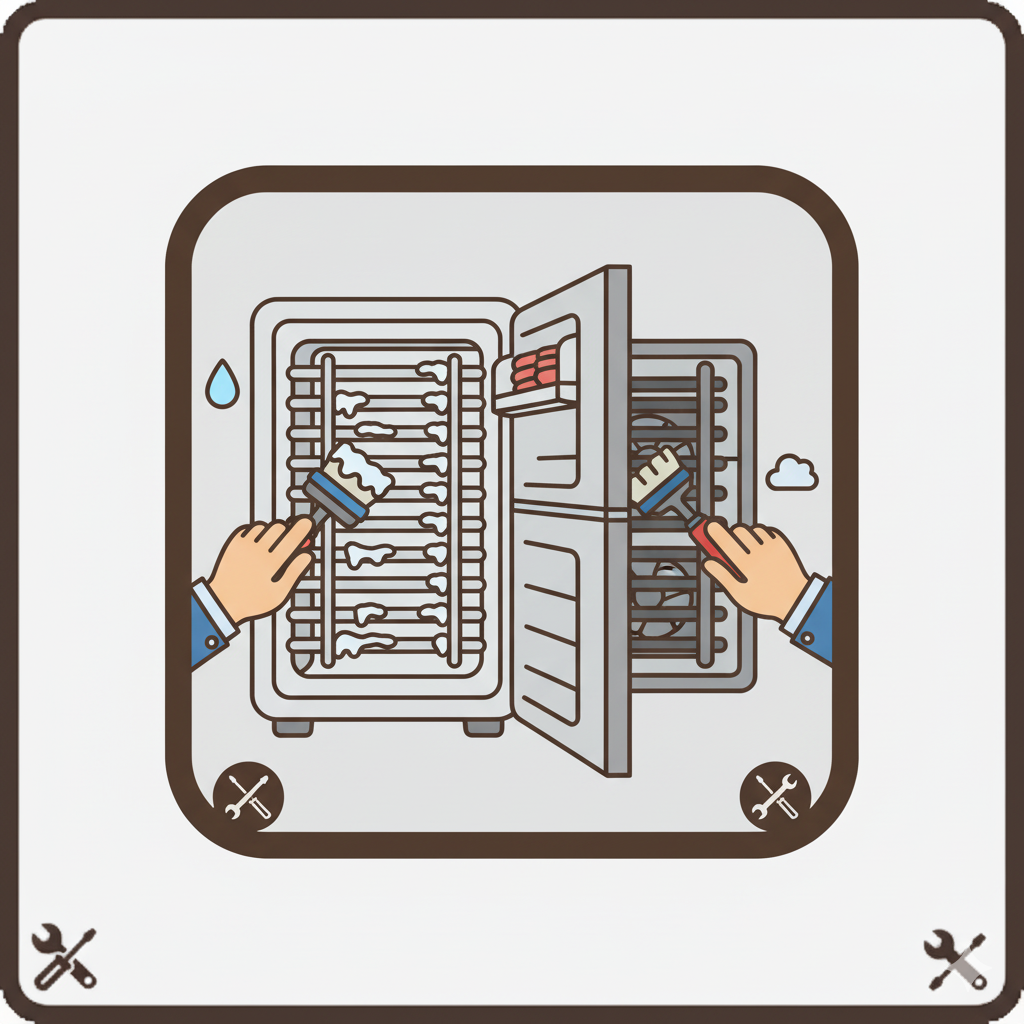
Avoid the high cost of breakdown through regular service plans. Our technicians clean, check and optimize your refrigeration units so they are energy-efficient and dependable year round.

Certified Technicians
Our well-trained technicians are familiar with all commercial refrigeration makes and models. We use accepted industry-approved installation procedures that have proven to be safe, efficient, and long-term.
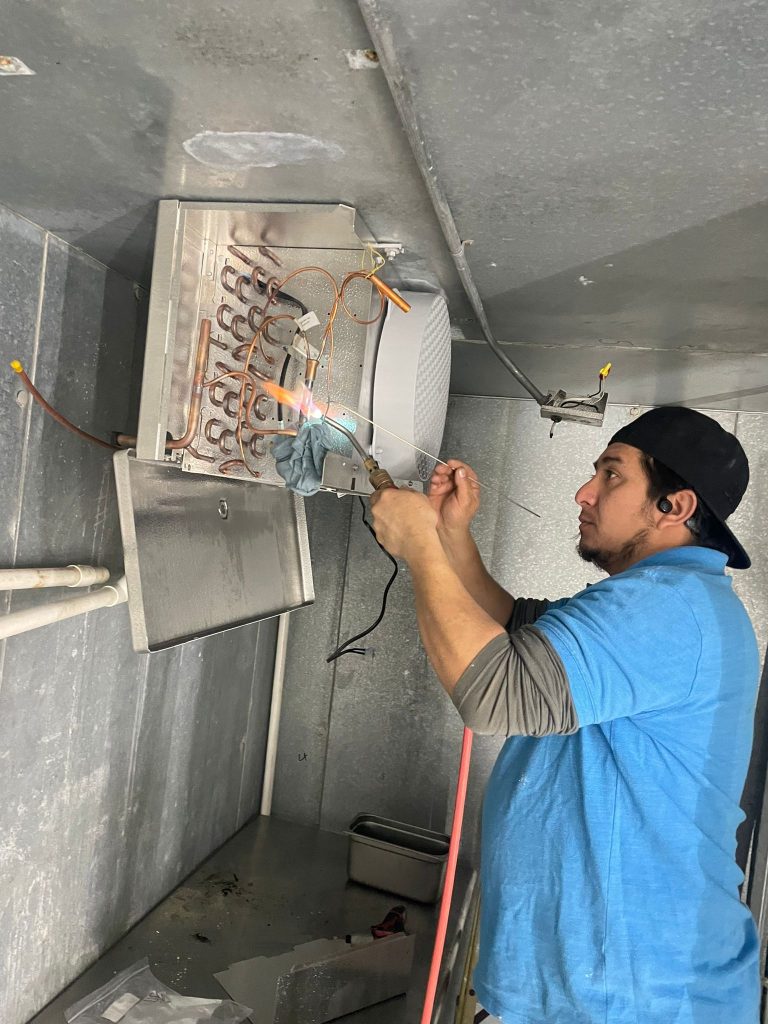

Free Consultation
We understand what your business needs and propose a suitable refrigeration system.
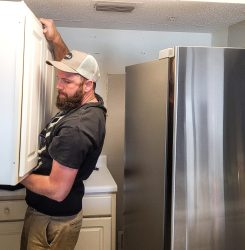
Site Evaluation and Planning
Our specialists look at the site of installation with an aim of great results.

Accurate Installation
We install your refrigeration equipment precisely and conscientiously.

Final Testing & Quality Assured
We perform final test on your equipment and ensure top performance.

We hired them to do a complete kitchen and two bathrooms renovation. They were extremely professional, kept us within budget, and finished early. The communication was excellent; they kept us updated daily, and the entire experience was stress-free. The workmanship is beautiful. Highly recommend this remodeling and construction company.


Skilled technicians diagnosing issues quickly and performing reliable repairs.

We hired them to do a complete kitchen and two bathrooms renovation. They were extremely professional, kept us within budget, and finished early. The communication was excellent; they kept us updated daily, and the entire experience was stress-free. The workmanship is beautiful. Highly recommend this remodeling and construction company.

They have great service They fix my walking refrigerator They got here on time and it worked great after the service they did to my restaurant refrigerator I recommend them to friends that has restaurants

Pavel was called on an emergency service on a Saturday morning and came out to fix a walk-in freezer that was recently installed at our restaurant. The freezer was icing over and the temperature was rising inside. Since this could not wait, he came out and identified the issue and fixed it properly. On that same night, he even came back to ensure the unit was working properly and holding deep-freezer temperatures. Pavel went above and beyond for our restaurant and we are very happy with his service. Our restaurant recommends him!

Our bar cooler wasn’t keeping temp and the guys from Pavel Refrigerant Services figured it out right away.
It turned out to be a thermostat issue which they repaired on the spot.
Quick service and solid work all around.

Had an issue with our commercial refrigeration system and these guys fixed it fast. Their quick service and great communication made a stressful situation super easy. Definitely sticking with them for future maintenance.

Had an issue with our commercial refrigeration system and these guys fixed it fast. Their quick service and great communication made a stressful situation super easy. Definitely sticking with them for future maintenance.

Got a refrigerant leak detected and repaired by Pavel’s team. They found the issue fast and made sure there were no other hidden problems. The service was smooth and the price made sense.

Our warehouse cooler needed compressor repair and Pavel’s crew handled it like pros. They showed up with all the appropriate equipment and didn’t waste any time. The pricing was fair and the system has been running flawlessly since.






Related Articles
Commercial Refrigeration Installation
Commercial Refrigeration Repair: Top 5 Emergencies in Urban Kitchens | Pavel Refrigerant Services
People Also Ask
The cost to install a van refrigeration system varies widely, typically ranging from $5,000 to $15,000 or more. This depends on several key factors. The primary cost driver is the system's capacity and type, with smaller, electric standby units being less expensive than larger, heavy-duty diesel-powered systems. The vehicle's make and model also affect installation complexity and parts compatibility. Additional expenses include necessary electrical upgrades, insulation work, and any custom shelving. For an accurate quote, it's essential to get a professional assessment that considers your specific cargo needs, desired temperature range, and the van's existing configuration. Always ensure the installer is certified and uses quality, reliable components.
The first step in any commercial refrigeration installation is a comprehensive site survey and load calculation. This critical phase involves assessing the physical space, electrical and plumbing infrastructure, and the specific cooling requirements of the stored products. Technicians measure the area, evaluate insulation, and determine the heat load from factors like door openings and ambient temperature. This data is essential for selecting the correctly sized condensing unit, evaporator, and components to ensure efficiency, reliability, and compliance with codes. Skipping this step can lead to undersized or oversized systems, resulting in excessive energy costs and premature equipment failure. For a detailed breakdown of the entire process, refer to our internal guide Commercial Refrigeration Installation.
The average price of a commercial refrigerator varies widely based on type, size, and features. A basic single-door reach-in model may start around $1,500 to $3,000, while larger double-door or pass-through units typically range from $3,000 to $6,000. High-capacity walk-in coolers or specialized equipment like display cases can cost from $5,000 to over $20,000. Key factors influencing price include energy efficiency ratings, construction materials (such as stainless steel), brand reputation, and advanced features like digital temperature controls. For accurate budgeting, it is essential to assess specific operational needs and consult with suppliers for detailed quotes, as installation and ongoing maintenance costs also contribute to the total investment.
The Amish community, known for limiting modern technology, typically uses non-electric refrigeration methods. Many Amish households employ propane-powered refrigerators, which operate using a heat source to drive the cooling process, avoiding the need for grid electricity. Others use traditional iceboxes, which are insulated cabinets where blocks of ice provide cooling, often with ice harvested in winter or purchased commercially. For larger community needs, some Amish businesses may use diesel-powered or hydraulic coolers. These solutions align with their principles of simplicity and self-sufficiency while effectively preserving food. The choice often depends on the specific Ordnung (rules) of their local church district.
The fourth step in a typical commercial refrigeration installation is usually the evacuation and dehydration of the system. This critical phase occurs after the refrigerant piping is installed, pressure-tested, and any leaks have been repaired. Technicians use a high-quality vacuum pump to remove all air, moisture, and non-condensable gases from the refrigerant circuit. Achieving a deep, stable vacuum is essential to prevent system failures like ice blockages from moisture or reduced efficiency from air. This step ensures the system's longevity and optimal performance before the final refrigerant charge is introduced. For a complete guide on the entire process, refer to our detailed resource Commercial Refrigeration Installation.
Commercial refrigeration systems are diverse, designed to meet specific operational needs. Key types include reach-in refrigerators and freezers, common in kitchens for easy access. Walk-in coolers and freezers offer high-volume storage. Display cases, such as dairy or multi-deck models, are vital for retail. Ice machines produce cubes, flakes, or nuggets. For larger-scale needs, centralized rack systems use multiple compressors to cool various cases efficiently, while distributed systems employ individual condensing units. Blast chillers and freezers rapidly lower food temperatures for safety. Selecting the right system depends on factors like capacity, energy efficiency, space, and the specific temperature requirements of the stored products.