



We hired them to do a complete kitchen and two bathrooms renovation. They were extremely professional, kept us within budget, and finished early. The communication was excellent; they kept us updated daily, and the entire experience was stress-free. The workmanship is beautiful. Highly recommend this remodeling and construction company.


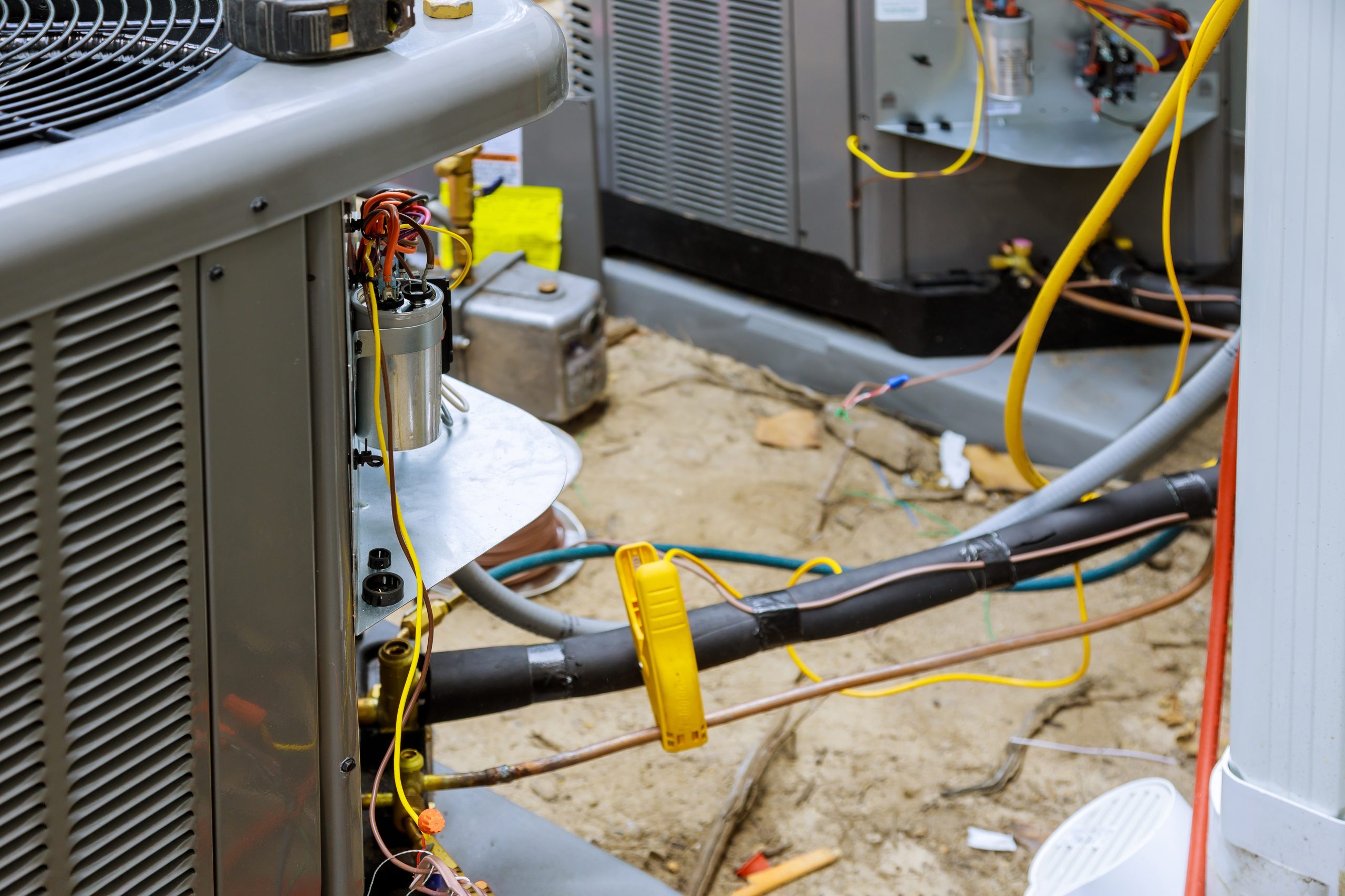
Skilled technicians diagnosing issues quickly and performing reliable repairs.

We hired them to do a complete kitchen and two bathrooms renovation. They were extremely professional, kept us within budget, and finished early. The communication was excellent; they kept us updated daily, and the entire experience was stress-free. The workmanship is beautiful. Highly recommend this remodeling and construction company.

They have great service They fix my walking refrigerator They got here on time and it worked great after the service they did to my restaurant refrigerator I recommend them to friends that has restaurants

Pavel was called on an emergency service on a Saturday morning and came out to fix a walk-in freezer that was recently installed at our restaurant. The freezer was icing over and the temperature was rising inside. Since this could not wait, he came out and identified the issue and fixed it properly. On that same night, he even came back to ensure the unit was working properly and holding deep-freezer temperatures. Pavel went above and beyond for our restaurant and we are very happy with his service. Our restaurant recommends him!

Our bar cooler wasn’t keeping temp and the guys from Pavel Refrigerant Services figured it out right away.
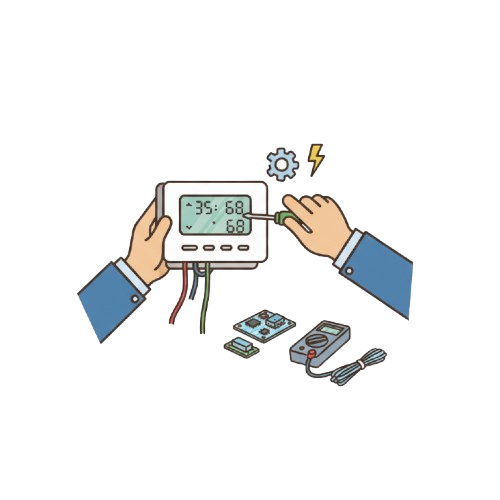
It turned out to be a thermostat issue which they repaired on the spot.
Quick service and solid work all around.

Had an issue with our commercial refrigeration system and these guys fixed it fast. Their quick service and great communication made a stressful situation super easy. Definitely sticking with them for future maintenance.

Had an issue with our commercial refrigeration system and these guys fixed it fast. Their quick service and great communication made a stressful situation super easy. Definitely sticking with them for future maintenance.

Got a refrigerant leak detected and repaired by Pavel’s team. They found the issue fast and made sure there were no other hidden problems. The service was smooth and the price made sense.

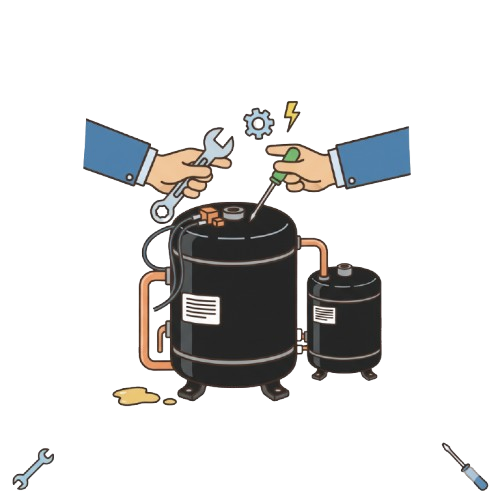
Our warehouse cooler needed compressor repair and Pavel’s crew handled it like pros. They showed up with all the appropriate equipment and didn’t waste any time. The pricing was fair and the system has been running flawlessly since.
People Also Ask
The three R's of refrigeration are a fundamental industry concept for responsible refrigerant management. They are Recover, Recycle, and Reclaim. Recover means to remove refrigerant from a system and store it in an external container. Recycle involves cleaning the recovered refrigerant on-site or at a facility by removing oil, moisture, and acidity to a basic level of purity for reuse. Reclaim is the most rigorous process, where refrigerant is processed to meet the original manufacturer's specifications, essentially making it new again. Adhering to these practices is critical for environmental protection, regulatory compliance, and system efficiency.
For optimal performance and food safety, a commercial refrigerator should receive professional preventative maintenance at least twice a year. This biannual service is crucial for checking refrigerant levels, cleaning condenser coils, inspecting door seals, and verifying thermostat calibration. More frequent checks may be necessary in high-use environments or for older units. Regular servicing ensures energy efficiency, prevents costly breakdowns, and maintains consistent, safe temperatures to comply with health codes. Proper maintenance is also a key factor in preventing food waste through proper refrigeration, as detailed in our internal article Preventing Food Waste Through Proper Refrigeration. Adhering to a strict service schedule protects your inventory and reduces long-term operating costs.
Charging a commercial refrigeration unit is a critical procedure that requires precision and adherence to safety protocols. First, you must connect your manifold gauges to the system's service ports, ensuring the low-side hose is connected to the suction port and the high-side to the liquid line. The system should be evacuated to remove air and moisture before introducing refrigerant. Charge the unit with the exact type and amount of refrigerant specified on the data plate, typically adding it as a liquid into the high side with the system off, or as a vapor into the low side with the system running, while monitoring superheat or subcooling. Always use proper PPE and recovery equipment. For more on maintaining system readiness, see our internal guide Preparing Refrigeration Systems For DC’s Peak Tourist Season.
The four primary types of refrigeration systems are vapor-compression, absorption, thermoelectric, and evaporative cooling. The vapor-compression cycle is the most common, using a compressor, condenser, expansion device, and evaporator to circulate refrigerant. Absorption refrigeration uses a heat source like natural gas or waste heat to drive the cooling process, common in industrial settings. Thermoelectric cooling relies on the Peltier effect, where direct current passes through junctions of dissimilar metals to create a temperature difference, often used in small, portable units. Evaporative cooling uses water evaporation to cool air, effective in dry climates but not for low-temperature refrigeration. Each type has distinct applications based on efficiency, cost, and cooling capacity requirements.