



We hired them to do a complete kitchen and two bathrooms renovation. They were extremely professional, kept us within budget, and finished early. The communication was excellent; they kept us updated daily, and the entire experience was stress-free. The workmanship is beautiful. Highly recommend this remodeling and construction company.


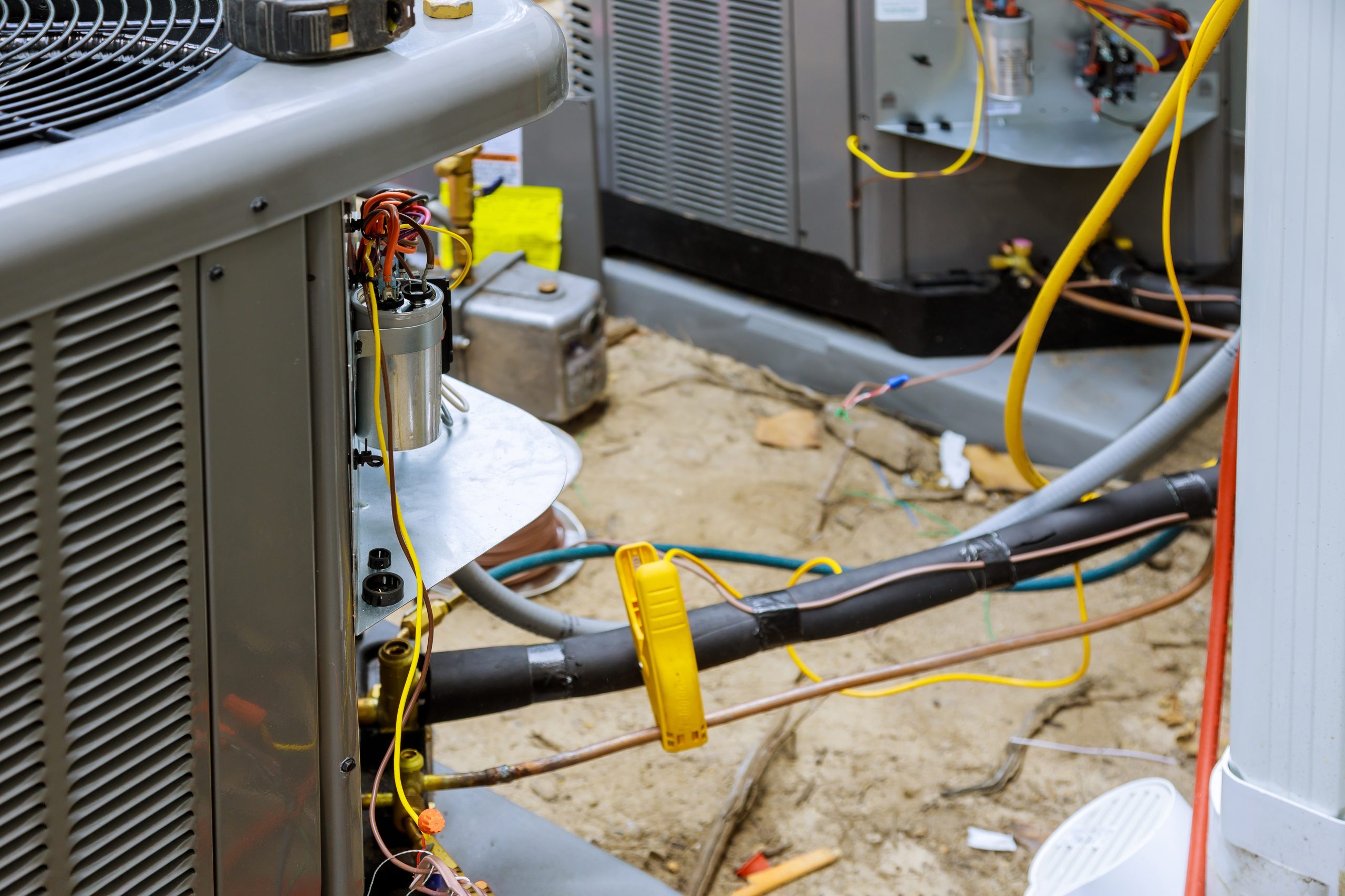
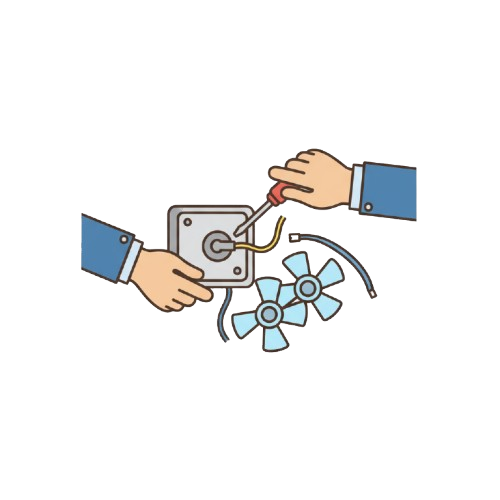
Skilled technicians diagnosing issues quickly and performing reliable repairs.

We hired them to do a complete kitchen and two bathrooms renovation. They were extremely professional, kept us within budget, and finished early. The communication was excellent; they kept us updated daily, and the entire experience was stress-free. The workmanship is beautiful. Highly recommend this remodeling and construction company.

They have great service They fix my walking refrigerator They got here on time and it worked great after the service they did to my restaurant refrigerator I recommend them to friends that has restaurants

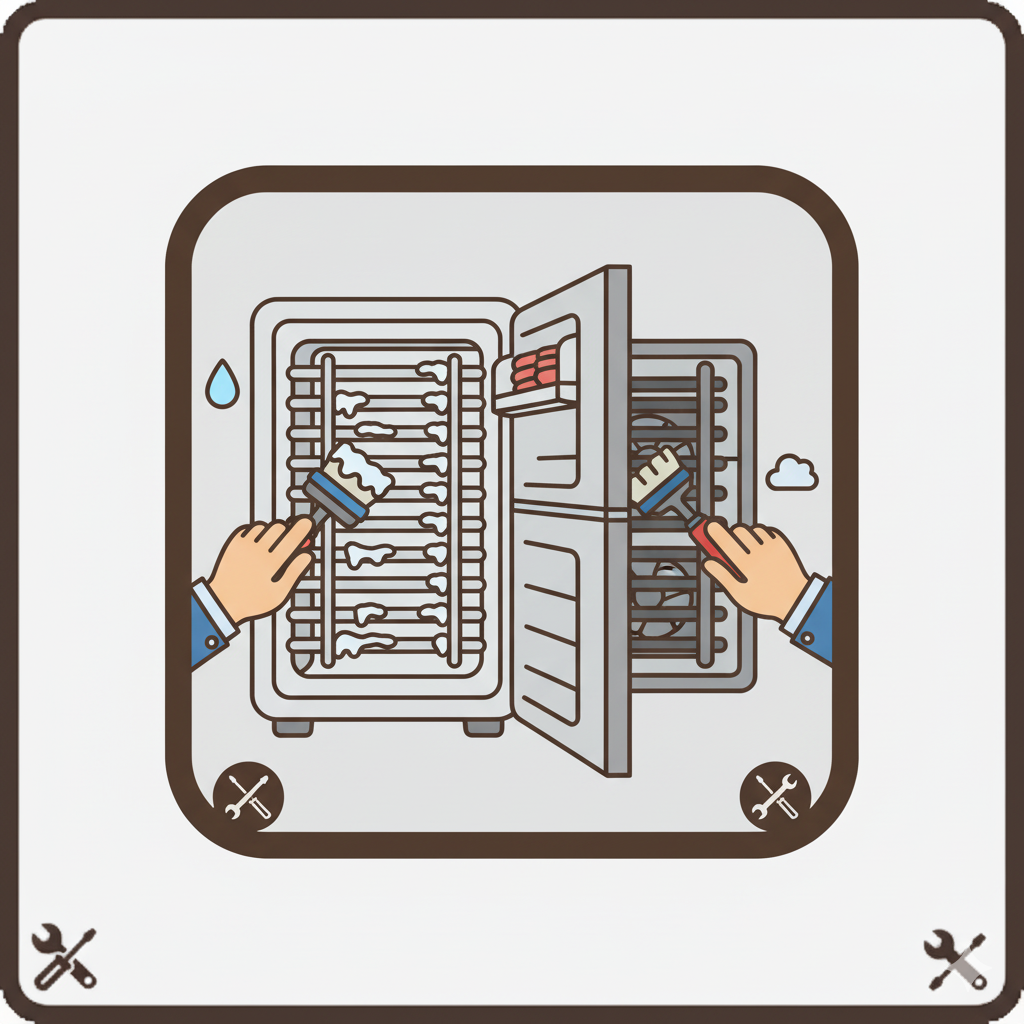
Pavel was called on an emergency service on a Saturday morning and came out to fix a walk-in freezer that was recently installed at our restaurant. The freezer was icing over and the temperature was rising inside. Since this could not wait, he came out and identified the issue and fixed it properly. On that same night, he even came back to ensure the unit was working properly and holding deep-freezer temperatures. Pavel went above and beyond for our restaurant and we are very happy with his service. Our restaurant recommends him!

Our bar cooler wasn’t keeping temp and the guys from Pavel Refrigerant Services figured it out right away.
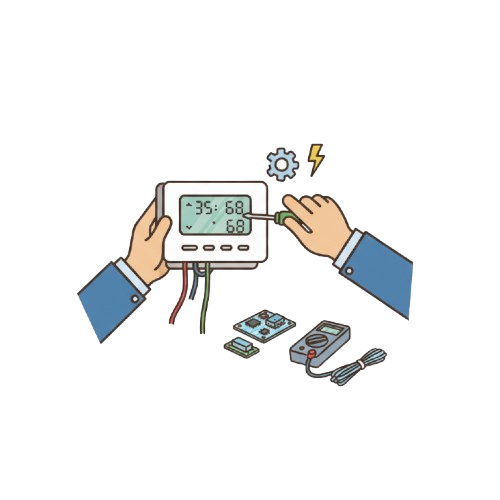
It turned out to be a thermostat issue which they repaired on the spot.
Quick service and solid work all around.

Had an issue with our commercial refrigeration system and these guys fixed it fast. Their quick service and great communication made a stressful situation super easy. Definitely sticking with them for future maintenance.

Had an issue with our commercial refrigeration system and these guys fixed it fast. Their quick service and great communication made a stressful situation super easy. Definitely sticking with them for future maintenance.

Got a refrigerant leak detected and repaired by Pavel’s team. They found the issue fast and made sure there were no other hidden problems. The service was smooth and the price made sense.

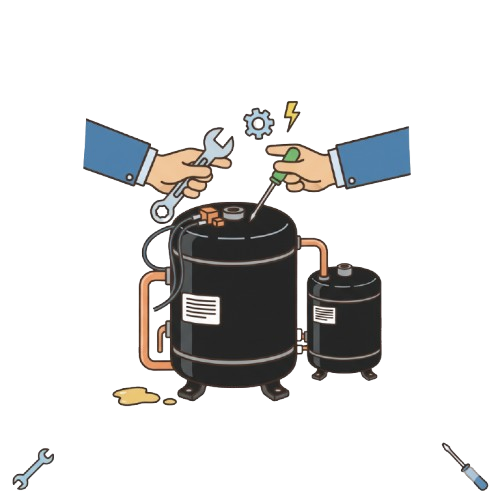
Our warehouse cooler needed compressor repair and Pavel’s crew handled it like pros. They showed up with all the appropriate equipment and didn’t waste any time. The pricing was fair and the system has been running flawlessly since.

People Also Ask
The three R's of refrigeration are a fundamental concept for technicians and facility managers. They stand for Recover, Recycle, and Reclaim. Recover means removing refrigerant from a system, such as during service or decommissioning, and storing it in an external container without testing or processing. Recycle involves cleaning the recovered refrigerant on-site or at a local facility by filtering and separating oil and non-condensable gases to meet basic purity standards, often for reuse in the same owner's equipment. Reclaim is the most stringent process, where refrigerant is sent to a specialized facility to be processed back to the purity levels of new, virgin refrigerant, as specified by ARI-700 standards, making it suitable for any system. Adhering to these practices is critical for environmental protection, regulatory compliance, and system efficiency.
A refrigeration mechanic is most commonly referred to as a Refrigeration Technician or a Refrigeration and Air Conditioning (RAC) Mechanic. This professional specializes in installing, maintaining, and repairing systems that control temperature and humidity, including commercial refrigerators, freezers, and climate control systems. The role requires a deep understanding of refrigeration cycles, electrical components, and refrigerant handling, governed by strict EPA Section 608 certification standards. Technicians must be adept at troubleshooting complex mechanical and electrical issues, performing preventative maintenance, and ensuring systems operate at peak efficiency and environmental compliance. This skilled trade is critical for industries like food service, healthcare, and logistics.
The three primary refrigeration system types used in commercial building HVAC are direct expansion (DX) systems, chilled water systems, and cooling tower/condenser water systems. DX systems, common in smaller applications, use refrigerant that evaporates and condenses directly in air handling units or terminal units. Chilled water systems circulate water cooled by a chiller to air handlers, offering excellent control for large buildings. Systems utilizing cooling towers reject heat from a water-cooled condenser loop to the atmosphere, often integrated with chillers for high-efficiency operation in large facilities. The choice depends on building size, load requirements, and efficiency goals, with hybrid designs also prevalent.
Determining the single biggest refrigeration company globally depends on the specific market segment, such as commercial, industrial, or residential systems, and whether one considers revenue, market share, or brand recognition. However, several multinational corporations are industry leaders. Carrier Global Corporation is often cited as a top contender, with a vast portfolio spanning HVAC and refrigeration solutions for various applications. Other major players include Daikin Industries, Johnson Controls (which owns brands like York), and Emerson Electric Co.. In the industrial refrigeration sector, companies like GEA Group and Danfoss are significant. The "biggest" is not a single entity but a group of dominant firms driving innovation in energy efficiency, refrigerant transition, and system integration worldwide.