

Preventative Care and Routine Exam
Avoid costly breakdown by doing regular maintenance. We clean, inspect, and optimize your refrigeration units so that you can maximize energy usage and lessen downtime any time of the year.

Certified Refrigeration Technicians
Our professionally-trained experts are familiar with every make and model of commercial refrigeration. With maintenance techniques accepted by the industry we offer long-term, safe and effective solutions to your maintenance needs that will save your business time and money.

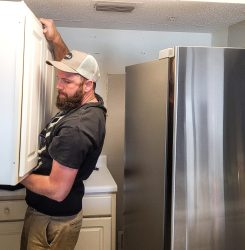
Free Consultation
We analyze your refrigeration requirements.

Systems Checkup
The full inspection of your equipment.

Service Maintenance
Cleaning, Adjustment, parts replacement when needed.

Final Quality Testing
Reliable execution with ease.

We hired them to do a complete kitchen and two bathrooms renovation. They were extremely professional, kept us within budget, and finished early. The communication was excellent; they kept us updated daily, and the entire experience was stress-free. The workmanship is beautiful. Highly recommend this remodeling and construction company.


Skilled technicians diagnosing issues quickly and performing reliable repairs.

We hired them to do a complete kitchen and two bathrooms renovation. They were extremely professional, kept us within budget, and finished early. The communication was excellent; they kept us updated daily, and the entire experience was stress-free. The workmanship is beautiful. Highly recommend this remodeling and construction company.

They have great service They fix my walking refrigerator They got here on time and it worked great after the service they did to my restaurant refrigerator I recommend them to friends that has restaurants

Pavel was called on an emergency service on a Saturday morning and came out to fix a walk-in freezer that was recently installed at our restaurant. The freezer was icing over and the temperature was rising inside. Since this could not wait, he came out and identified the issue and fixed it properly. On that same night, he even came back to ensure the unit was working properly and holding deep-freezer temperatures. Pavel went above and beyond for our restaurant and we are very happy with his service. Our restaurant recommends him!

Our bar cooler wasn’t keeping temp and the guys from Pavel Refrigerant Services figured it out right away.
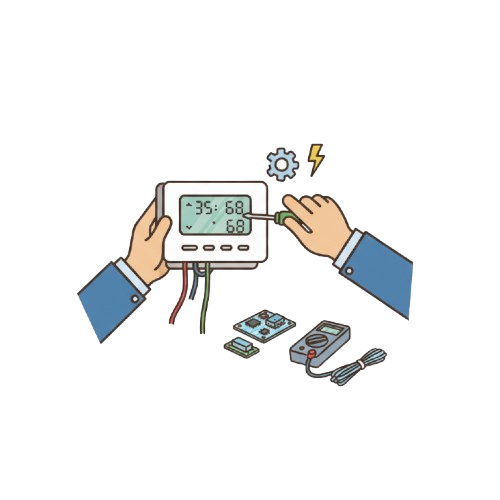
It turned out to be a thermostat issue which they repaired on the spot.
Quick service and solid work all around.

Had an issue with our commercial refrigeration system and these guys fixed it fast. Their quick service and great communication made a stressful situation super easy. Definitely sticking with them for future maintenance.

Had an issue with our commercial refrigeration system and these guys fixed it fast. Their quick service and great communication made a stressful situation super easy. Definitely sticking with them for future maintenance.

Got a refrigerant leak detected and repaired by Pavel’s team. They found the issue fast and made sure there were no other hidden problems. The service was smooth and the price made sense.

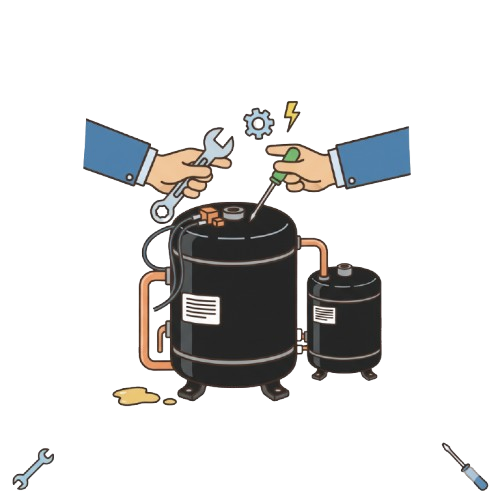
Our warehouse cooler needed compressor repair and Pavel’s crew handled it like pros. They showed up with all the appropriate equipment and didn’t waste any time. The pricing was fair and the system has been running flawlessly since.


Related Articles
People Also Ask
For optimal performance and food safety, a commercial refrigerator should undergo professional preventative maintenance at least twice a year. This biannual service is crucial for checking refrigerant levels, cleaning condenser coils, inspecting door seals, and verifying thermostat calibration. More frequent checks, such as monthly cleaning of condenser coils, are recommended in high-dust environments. Adhering to this schedule ensures energy efficiency, prevents costly breakdowns, and maintains consistent, safe temperatures for inventory. Properly maintained refrigeration is a key factor in operational reliability and directly supports food preservation efforts, as detailed in our internal resource, Preventing Food Waste Through Proper Refrigeration.
Proper maintenance of a commercial refrigerator is essential for food safety, energy efficiency, and equipment longevity. Start by performing daily tasks like checking door seals for tightness and wiping down interior surfaces. Weekly, clean condenser coils to prevent dust buildup that forces the compressor to work harder. Monthly, verify that the unit maintains the correct temperature (typically below 40°F for refrigerators) using a calibrated thermometer. Defrost freezers as needed to prevent ice accumulation. Schedule professional service at least twice a year for a comprehensive check of refrigerant levels, electrical components, and system pressures. For a complete guide on establishing a routine, refer to our internal resource, Commercial Refrigeration Maintenance.
The cost of commercial HVAC maintenance varies widely based on system size, type, and contract terms. For a single rooftop unit, basic quarterly service might range from $150 to $500 per visit. Comprehensive annual contracts for larger facilities can cost $1,000 to $15,000+ annually, covering inspections, cleaning, and priority service. Key factors include the number and age of units, required labor hours, and any emergency coverage. Investing in a preventive maintenance agreement is a standard industry practice, as it helps avoid costly emergency repairs, extends equipment lifespan, and maintains energy efficiency, providing predictable budgeting and operational reliability.
Common commercial fridge problems often stem from component wear, poor maintenance, or installation issues. Frequent issues include temperature regulation failures due to faulty thermostats or control boards, leading to food spoilage. Refrigerant leaks are a critical concern, reducing cooling efficiency and requiring professional leak detection and repair. Condenser coil blockage from dust and grease restricts airflow, causing the compressor to overwork and potentially fail. Faulty door gaskets allow warm air infiltration, making the unit cycle excessively. Regular professional maintenance is key to preventing these failures. For a deeper dive into troubleshooting and repair protocols, refer to our internal resource, Commercial Refrigeration Repair.
The cost of commercial refrigeration maintenance is not a fixed number but varies based on several key factors. A proactive, scheduled maintenance plan is the most cost-effective strategy, typically costing a few hundred dollars annually per unit. This investment prevents catastrophic failures that can lead to thousands in emergency repairs, lost inventory, and business interruption. Critical cost drivers include the system's age, complexity, size, and usage intensity. Regular tasks like coil cleaning, gasket inspection, and refrigerant level checks are essential. Neglecting maintenance leads to inefficiency; for a deeper understanding of operational expenses, we recommend reviewing our internal article Top Energy Wasters In Commercial Refrigeration Units, which details how poor upkeep directly increases energy consumption and costs.