

Daily Care & Maintenance
Eliminate breakdown surprises by having us come in regularly for a tune-up. We wash, check, and service your units to keep them lean all year.

Certified Technicians
We have trained a team of experts that is aware of all makes and models. Our repair methods are tested in order to provide a long-lasting, permanent solution to repairing your car-saving you time, anxiety, and money.
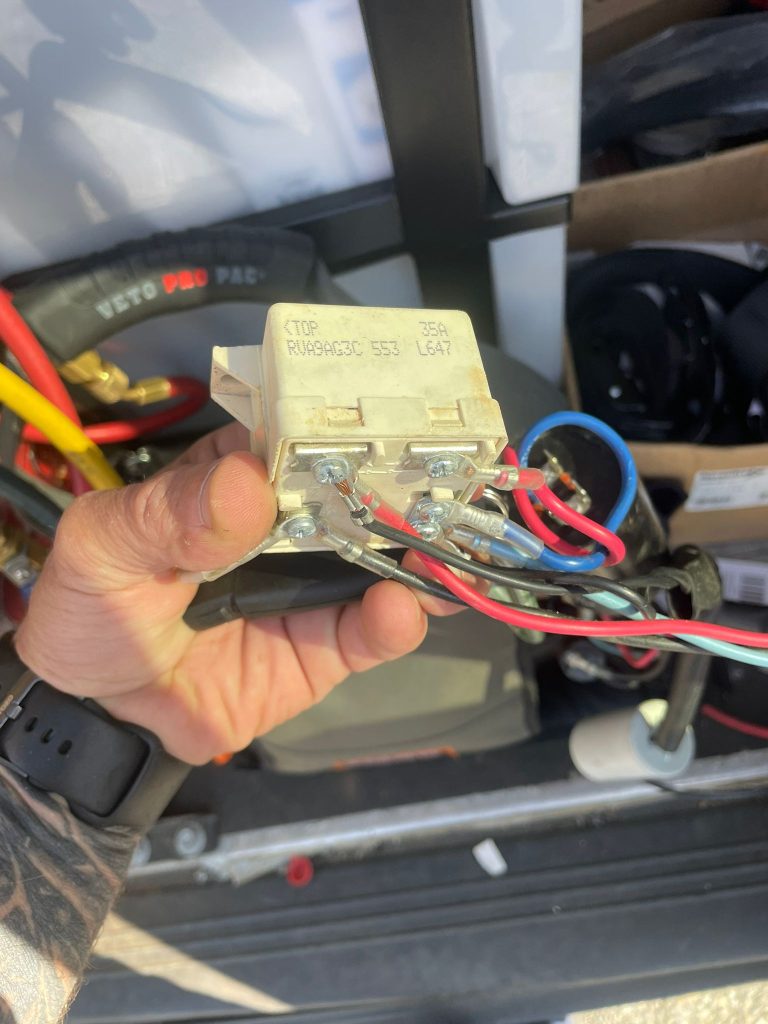

Free Advice
We evaluate your requirements and check your gear.

Accurate Diagnosis
We have superior tools that help us identify the problem that is occurring rapidly.

Precision Repairs or Installations
We solve the issue or put the parts to replace them carefully and efficiently.
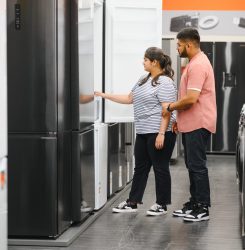
Final Testing & Quality Assurance
We make our utmost to ensure everything goes right before taking off.

We hired them to do a complete kitchen and two bathrooms renovation. They were extremely professional, kept us within budget, and finished early. The communication was excellent; they kept us updated daily, and the entire experience was stress-free. The workmanship is beautiful. Highly recommend this remodeling and construction company.


Skilled technicians diagnosing issues quickly and performing reliable repairs.

We hired them to do a complete kitchen and two bathrooms renovation. They were extremely professional, kept us within budget, and finished early. The communication was excellent; they kept us updated daily, and the entire experience was stress-free. The workmanship is beautiful. Highly recommend this remodeling and construction company.

They have great service They fix my walking refrigerator They got here on time and it worked great after the service they did to my restaurant refrigerator I recommend them to friends that has restaurants

Pavel was called on an emergency service on a Saturday morning and came out to fix a walk-in freezer that was recently installed at our restaurant. The freezer was icing over and the temperature was rising inside. Since this could not wait, he came out and identified the issue and fixed it properly. On that same night, he even came back to ensure the unit was working properly and holding deep-freezer temperatures. Pavel went above and beyond for our restaurant and we are very happy with his service. Our restaurant recommends him!

Our bar cooler wasn’t keeping temp and the guys from Pavel Refrigerant Services figured it out right away.
It turned out to be a thermostat issue which they repaired on the spot.
Quick service and solid work all around.

Had an issue with our commercial refrigeration system and these guys fixed it fast. Their quick service and great communication made a stressful situation super easy. Definitely sticking with them for future maintenance.

Had an issue with our commercial refrigeration system and these guys fixed it fast. Their quick service and great communication made a stressful situation super easy. Definitely sticking with them for future maintenance.

Got a refrigerant leak detected and repaired by Pavel’s team. They found the issue fast and made sure there were no other hidden problems. The service was smooth and the price made sense.

Our warehouse cooler needed compressor repair and Pavel’s crew handled it like pros. They showed up with all the appropriate equipment and didn’t waste any time. The pricing was fair and the system has been running flawlessly since.



Related Articles
People Also Ask
Diagnosing a commercial refrigerator that is not cooling requires a systematic approach. First, ensure the unit is plugged in and the circuit breaker hasn't tripped. Check for excessive frost on the evaporator coils, which can indicate a defrost system failure involving the heater, timer, or thermostat. Verify that the condenser coils are clean and the condenser fan is running, as poor airflow is a common culprit. Listen for the compressor running; if it's silent, the issue could be a faulty start component, capacitor, or the compressor itself. Also, inspect door gaskets for leaks letting warm air in. For a comprehensive guide on proactive care to prevent such failures, refer to our internal resource, Washington Commercial Fridge Maintenance Checklist. Always consult a certified technician for repairs involving refrigerant or electrical components.
Common commercial fridge problems often stem from issues like dirty condenser coils, which restrict airflow and cause overheating. Faulty door gaskets are another frequent culprit, leading to warm air infiltration and excessive compressor cycling. Refrigerant leaks, often indicated by ice buildup or insufficient cooling, require professional diagnosis and repair. Electrical problems, such as failing start capacitors or control board malfunctions, can prevent the unit from operating correctly. Regular preventative maintenance is key to avoiding these failures. For a detailed guide on addressing these issues, please refer to our internal resource, Commercial Refrigeration Repair.
The cost to replace a compressor in a commercial refrigerator is highly variable, typically ranging from $1,000 to $4,000 or more, including parts and labor. The final price depends on several critical factors. The compressor unit itself is a major cost component, with prices influenced by the refrigerator's brand, model, and required horsepower. Labor is intensive, as it involves recovering refrigerant, brazing new connections, and recharging the system. Additional expenses often include a new filter-drier, refrigerant, and any necessary system diagnostics or repairs. For large, specialized units like walk-ins or reach-ins, costs can be significantly higher. It is strongly advised to obtain a detailed, written estimate from a certified commercial refrigeration technician, as a compressor failure may sometimes indicate it is more cost-effective to replace the entire unit.
The life expectancy of a commercial refrigerator typically ranges from 10 to 15 years, though this can vary significantly based on usage, maintenance, and quality. High-quality units in light-duty applications, like a small cafe's undercounter unit, may reach the upper end of that range or beyond. Conversely, heavy-duty use in a 24/7 restaurant or a high-traffic supermarket can shorten lifespan to 7-10 years. The key to maximizing longevity is a rigorous preventive maintenance schedule, including regular cleaning of coils, checking door seals, and ensuring proper temperature calibration. Adherence to manufacturer-recommended service and prompt repair of minor issues, such as refrigerant leaks or compressor strain, are critical factors in achieving and exceeding the average service life.
For commercial refrigeration repair in California, it is crucial to partner with a licensed, EPA-certified service provider. Look for companies with extensive experience in servicing systems for restaurants, supermarkets, and cold storage facilities. A reputable technician will perform a comprehensive diagnostic to identify issues with compressors, condensers, evaporators, or electrical controls. They should offer emergency services and prioritize energy-efficient solutions and proper refrigerant handling to comply with California's strict environmental regulations. Always verify their insurance, references, and familiarity with your specific equipment brand to ensure reliable, long-term performance and minimal business disruption.
For commercial refrigeration repair in Texas, it is crucial to select a licensed and insured service provider with extensive experience in systems common to the region, such as walk-in coolers, reach-ins, and display cases for restaurants, grocery stores, and convenience stores. A reputable company will offer 24/7 emergency service due to the critical nature of equipment failure. They should be proficient in handling various refrigerants, including newer, environmentally compliant types, and provide preventative maintenance plans to ensure system efficiency and longevity. Always verify their certifications, response time guarantees, and familiarity with local health code requirements to protect your inventory and business operations.
For businesses seeking commercial refrigeration repair services, it is crucial to partner with a certified and experienced provider. Look for a company that offers 24/7 emergency service, as downtime can lead to significant product and revenue loss. A reputable service will employ technicians certified by organizations like EPA Section 608, ensuring they are trained to handle refrigerants safely and comply with all environmental regulations. They should be proficient with a wide range of systems, including walk-in coolers, freezers, and complex rack systems. Before hiring, verify their experience with your specific equipment brand, check for proper insurance, and inquire about preventative maintenance plans to avoid future costly breakdowns and ensure system efficiency and longevity.