








Pavel is a terrific refrigerator/freezer/walk-in cooler resource! Not only prompt, courteous and efficient, his superior knowledge of the problem saved us a great deal of headache and extra expense. Thank you Pavel for your help, we look forward to seeing you again!
Team Flavor Hive – Rockville


Pavel Refrigerant Services was outstanding! They arrived promptly diagnosed the issue and had all the equipment to fix the problem right on the spot. The service was reasonably priced and the tech was very professional.

Pavel Refrigerant Services really saved the day for our restaurant! Our commercial fridge broke down unexpectedly, and they had it up and running in no time. Super grateful for their prompt and expert service.

As a restaurant owner with two locations, it’s very hard to find reliable technicians.
We had an ongoing issue with an expensive walk-in refrigerator that several technicians failed to fix.
A customer recommended Pavel, and he solved the problem properly. It’s been over a year and a half with no issues since.
Since then, he handles all our refrigeration and AC needs. Reliable, professional, and highly recommended.

Pavel is a seasoned professional. He arrived promptly and resolved my issue quickly and effectively.

Very professional. Diagnosed and solved our refrigeration problem quickly. Highly recommend for any commercial operations

We hired them to do a complete kitchen and two bathrooms renovation. They were extremely professional, kept us within budget, and finished early. The communication was excellent; they kept us updated daily, and the entire experience was stress-free. The workmanship is beautiful. Highly recommend this remodeling and construction company.

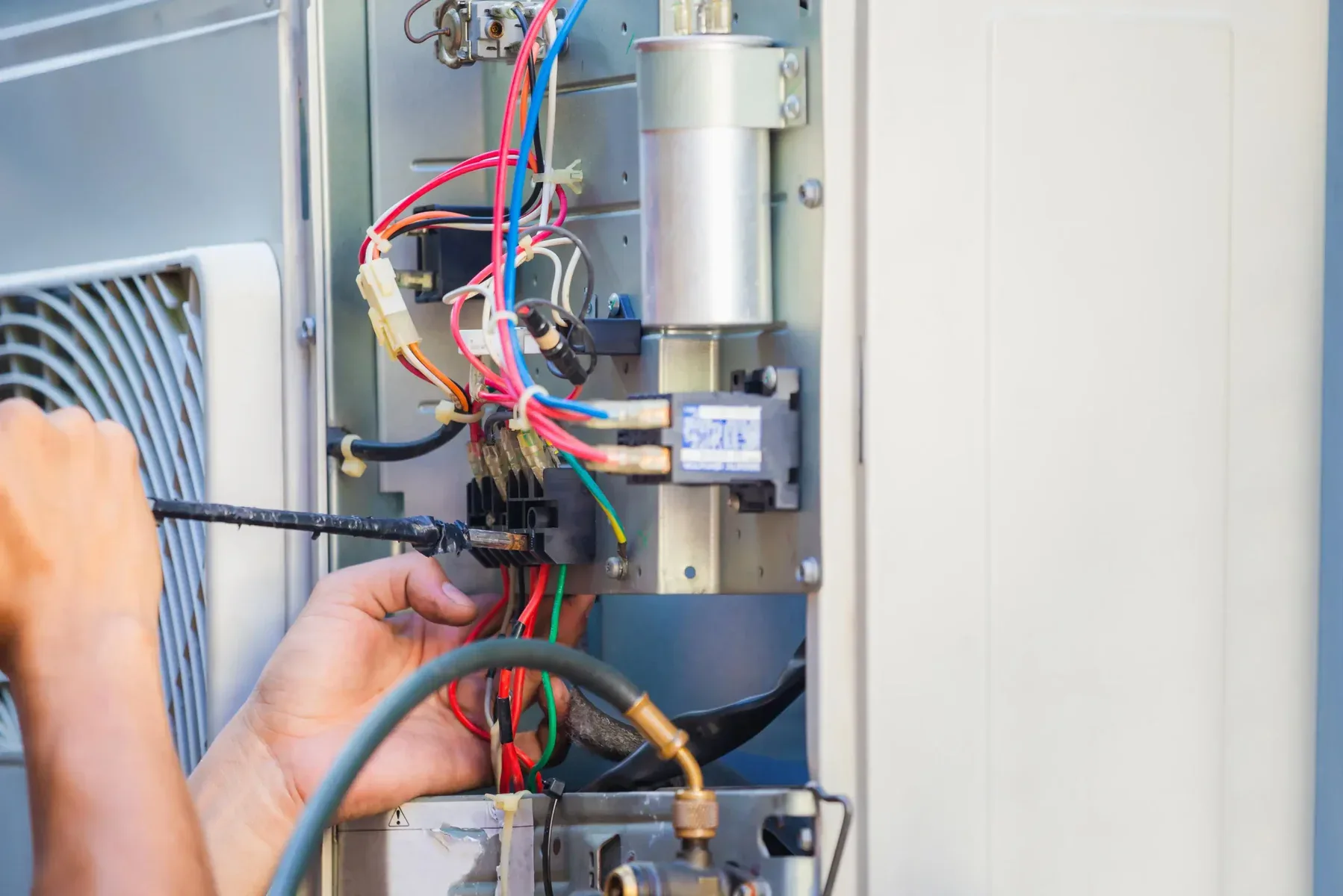
Skilled technicians diagnosing issues quickly and performing reliable repairs.

We hired them to do a complete kitchen and two bathrooms renovation. They were extremely professional, kept us within budget, and finished early. The communication was excellent; they kept us updated daily, and the entire experience was stress-free. The workmanship is beautiful. Highly recommend this remodeling and construction company.

They have great service They fix my walking refrigerator They got here on time and it worked great after the service they did to my restaurant refrigerator I recommend them to friends that has restaurants
People Also Ask
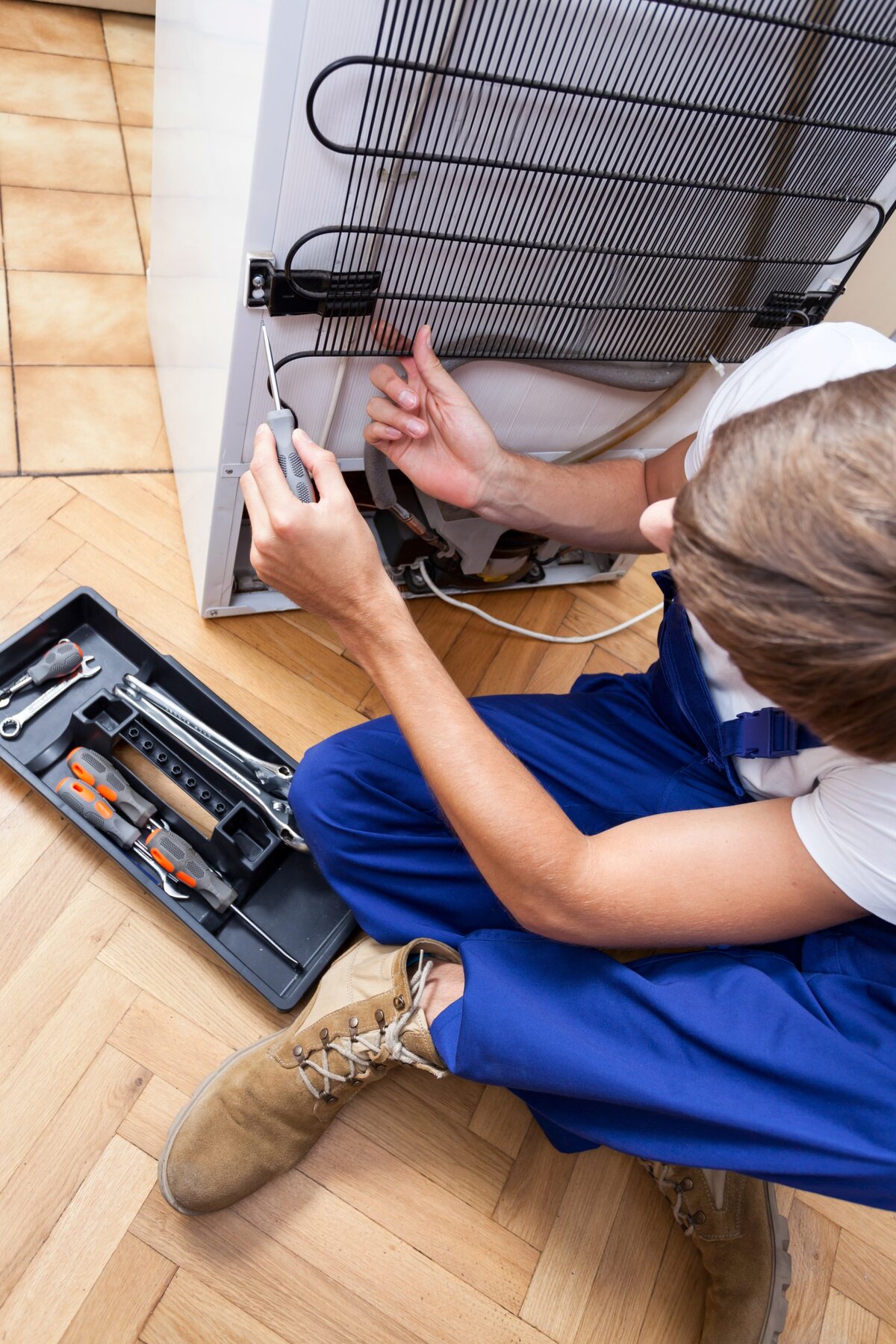
Diagnosing a commercial refrigerator that is not cooling requires a systematic approach. First, ensure the unit is plugged in and the circuit breaker hasn't tripped. Check for excessive frost on the evaporator coils, which can indicate a defrost system failure involving the heater, timer, or thermostat. Listen for the compressor running; if it's silent, the issue could be a faulty start capacitor, relay, or the compressor itself. Clean the condenser coils, as dirt buildup is a common cause of insufficient heat rejection. Also, verify that door gaskets are sealing properly to prevent warm air infiltration. For persistent problems, a certified technician should check refrigerant levels and electrical components. Regular maintenance is key to avoiding such failures, as detailed in our internal resource Preventing Costly Breakdowns In Capitol Hill Catering Businesses.
Servicing a commercial refrigerator requires a systematic approach to ensure safety, efficiency, and compliance. Begin by performing a visual inspection for any obvious damage, leaks, or ice buildup. Check and clean the condenser coils, as dirty coils are a primary cause of system failure. Verify that the evaporator and condenser fans are operating smoothly. Monitor and record the system's operating pressures and temperatures to ensure they are within the manufacturer's specifications. Inspect door gaskets for a proper seal and check all electrical connections for tightness and corrosion. It is crucial to follow a preventative maintenance schedule, as outlined in our detailed internal guide, Commercial Refrigeration Maintenance. Always adhere to local regulations regarding refrigerant handling and electrical safety, and consider professional service for complex repairs.
The three R's of refrigeration are a fundamental industry principle for responsible refrigerant management. They are Reduce, Reuse, and Recycle. Reduce involves minimizing refrigerant loss through proper installation, regular maintenance, and leak detection. Reuse refers to the practice of recovering refrigerant from a system, cleaning it via filtration or processing, and using it in the same or another system owned by the same entity, provided it meets purity standards. Recycle means processing recovered refrigerant to a specified purity level, often off-site at a certified facility, so it can be resold for general use. Adhering to these principles is crucial for environmental protection, regulatory compliance, and operational cost savings.
The cost to replace a refrigerator compressor is highly variable, typically ranging from $500 to $1,200 or more for a residential unit, with commercial systems costing significantly higher. The final price depends on the compressor's cost, labor intensity, and whether it's a sealed system repair requiring refrigerant recovery and recharge. For older units, replacement may not be cost-effective compared to a new appliance. A professional assessment is crucial, as misdiagnosis is common. For businesses, unexpected compressor failure can be a major disruption, similar to other critical failures outlined in our internal resource, Commercial Refrigeration Repair: Top 5 Emergencies in Urban Kitchens | Pavel Refrigerant Services. Always get a detailed, written estimate before proceeding.