Ever had that moment where you open your walk-in cooler and your heart sinks faster than the temperature should have? That little puff of warm air, the faint hum that’s more of a death rattle, the sight of your precious inventory looking… less than fresh. We’ve all been there. It’s not just an appliance breaking down; it’s your business’s heartbeat skipping a beat. Let’s talk about keeping that heartbeat strong, avoiding those panic attacks, and making sure your commercial refrigeration is the last thing you have to worry about during a dinner rush.
Understanding the Beast: What Makes Commercial Refrigeration Tick
Commercial systems aren’t just bigger versions of your home fridge. IMO, that’s the first mistake a lot of folks make. They’re complex, hard-working pieces of engineering that run almost non-stop. Think of them as the marathon runners of the appliance world, while your home fridge is more of a casual jogger.
The Core Components You Need to Know:
- The Compressor: This is the heart. It pumps refrigerant (the lifeblood) through the system. When this guy has issues, you have big, expensive issues.
- The Evaporator Coils: Inside your cooler or freezer, these coils absorb heat. When they ice up—and they will—airflow stops and efficiency plummets.
- The Condenser Coils: Usually located outside or in a mechanical room, these release the heat absorbed from inside. If they’re dirty, the whole system has to work harder. It’s like trying to run a marathon while breathing through a straw.
- The Refrigerant: This specialized fluid is what actually does the cooling. Leaks are common and a huge problem, both for your cost and the environment.
When one part stumbles, the whole system feels it. A dirty condenser in Wheaton can cause a compressor failure in Silver Spring. It’s all connected.
The “Oh No” List: Most Common Commercial Refrigeration Repairs
So, what usually goes wrong? After years in the field, we see the same culprits again and again. Knowing them might just help you catch a problem before it turns into a catastrophe.
Walk-In Woes: More Than Just a Door
Walk in cooler repair and walk in refrigerator repair calls are some of our most frequent. These units take a beating! The most common issues aren’t always the most complex:
- Door Gaskets: That rubber seal around the door is your first line of defense. If it’s torn, brittle, or not sealing, cold air escapes and your unit works overtime. It’s a simple fix that saves a fortune in energy costs.
- Drain Line Clogs: Defrost cycles produce water, which drains out through a line. That line loves to grow algae and get clogged, leading to water pooling inside—a sanitation and slip hazard.
- Fan Motors: Evaporator fans circulate air. When they fail, you get warm spots and temperature stratification. Your lettuce freezes while your milk spoils. Not ideal.
For true commercial walk in cooler repair, you need a technician who understands the entire system, not just a part. A quick patch might get you cold again, but will it last through the weekend rush? That’s where a comprehensive commercial refrigeration service makes all the difference.
When the Cold Really Breaks: System Failures
Then we have the bigger, scarier problems. The ones that make you gulp when you see the price estimate (though we at Pavel Refrigerant Services always work to be transparent and fair).
- Compressor Failures: The king of expensive repairs. Often caused by dirty coils, low refrigerant, or electrical issues. Regular commercial refrigeration maintenance is the best insurance policy against this.
- Refrigerant Leaks: The system is a sealed circuit. If refrigerant is low, it’s leaking somewhere. Just topping it off is like putting air in a tire with a nail in it. You need a leak search and repair, which is a specialty of ours at Pavel Refrigerant Services in Montgomery County.
- Electrical Issues: Contactor failures, faulty thermostats, and wiring problems. These can be intermittent and maddening to diagnose without the right tools and experience.
Whether it’s a commercial freezer repair for a frozen goods warehouse or a restaurant refrigeration repair for a busy kitchen in Arlington, the principles are the same. The scale and urgency might change, but the need for expert, reliable service doesn’t.
Prevention is Cheaper Than Panic: The Magic of Maintenance
Here’s the part where we get a little sarcastic: waiting for a total breakdown to think about your equipment is a… brilliant financial strategy. Said no successful business owner ever.
A scheduled commercial refrigeration maintenance plan isn’t an expense; it’s the ultimate cost-saving hack. It’s the difference between a predictable service bill and a catastrophic, “shut-the-business-down” emergency repair cost. What does a good maintenance visit include? Glad you asked.
What a Pro Actually Does During Maintenance
When our team from Pavel Refrigerant Services comes out for a maintenance check, we’re not just kicking the tires. We’re doing a full physical. This typically includes:
- Cleaning Condenser Coils: This alone can improve efficiency by up to 30%. It’s the easiest win.
- Checking Refrigerant Levels: Using precise gauges to ensure the charge is correct.
- Inspecting Electrical Components: Tightening connections, checking contactors for pitting, verifying thermostat calibration.
- Examining Door Gaskets and Seals: Ensuring they’re airtight.
- Clearing Drain Lines: Preventing those messy and unsanitary clogs.
- Monitoring System Temperatures and Pressures: Logging data to spot trends that indicate a future problem.
Think of it like an oil change for your car. Skip it, and you might be okay for a while. But eventually, you’re buying a new engine.
Finding Your Refrigeration Hero: It’s Not Just About “Near Me”
We get it. When your cooler is down, you Google “commercial refrigeration repair near me” or “nearest walk in cooler repair.” Speed is everything. But the closest technician isn’t always the right one for a complex industrial refrigeration repair or even a delicate commercial fridge repair.
What truly matters?
- Expertise with Your Specific Equipment: A restaurant refrigeration repair expert knows the pressure of a Saturday night service. An industrial refrigeration repair tech understands ammonia systems.
- Proper Licensing & Certification: Especially for handling refrigerants. This isn’t a DIY project.
- Transparent Pricing: No one likes surprise fees. A good company will explain the cost structure upfront.
- Local Presence: Someone nearby in Washington D.C., Arlington, or right here in Montgomery County can get to you faster and understands local challenges.
FYI, that’s why we built Pavel Refrigerant Services where we did. We wanted to be that reliable, expert neighbor for businesses in Montgomery County and throughout the DC metro area. When you call us, you’re not getting a dispatcher in another state; you’re getting a local team invested in keeping your business running.
Let’s Get Technical: A Quick Troubleshooting Reference
Before you call for help, here’s a handy table of common symptoms and their possible causes. Remember, this is for reference only! Always call a professional for diagnosis and repair.
| Symptom | Possible Culprit | What Not to Do Immediately |
|---|---|---|
| Warm cooler/freezer, but fan is running | Evaporator coil iced over, refrigerant leak, failing compressor. | Don’t just turn it off and on. You might cause more damage. |
| Unit is running constantly, never cycling off | Dirty condenser coils, low refrigerant, bad door seal, failing thermostat. | Don’t ignore it! This is skyrocketing your energy bill. |
| Water leaking inside the unit | Clogged drain line, drain pan cracked. | Don’t try to unclog the line with a wire hanger—you can puncture the drain pan. |
| Loud grinding or rattling noises | Failing fan motor, debris in fan blades, compressor issues. | Seriously, turn it off and call. Loud noises are almost never good. |
| Excessive frost on product or coils | Defrost heater/timer/sensor failure, door left ajar, bad gasket. | Don’t chip at the ice with a sharp object. You can damage the costly evaporator coils. |
Your Burning Questions, Answered
Let’s tackle a few of the most common questions we hear every day.
1. “How much is this going to cost?”
The million-dollar question (hopefully not literally). The price for commercial refrigeration service depends entirely on the problem. A simple gasket replacement is relatively low cost. A compressor change-out is a major repair. A trustworthy company will provide a clear, upfront estimate after diagnosis and explain why the repair is necessary. No one should ever give you a firm price over the phone without seeing the unit—that’s a red flag.
2. “Can’t I just add refrigerant myself?”
In a word: no. For legal, environmental, and technical reasons, handling refrigerant requires an EPA certification. More importantly, low refrigerant is a symptom of a leak. Just adding more is a temporary, wasteful fix that damages the environment and will lead to a bigger, more expensive failure later. We find and fix the leak. That’s the right way.
3. “Is maintenance really worth it?”
Let’s put it this way: what’s the cost of losing an entire walk-in of inventory? What’s the cost of closing for a day during an emergency commercial freezer repair? What’s the cost of a 30% higher electric bill every month? Compared to those, a planned maintenance visit is one of the highest-ROI investments you can make in your business. It prevents the panic, preserves your inventory, and prolongs the life of your equipment.
Wrapping It Up: Keep Your Cool, We’ve Got This
Look, we know this stuff can feel overwhelming. Your job is to run an amazing restaurant, store, or facility in Silver Spring, Wheaton, or beyond. Our job is to make sure the cold chain that supports it is rock-solid. You focus on your customers; let us focus on your refrigeration.
So, the next time you hear an odd noise, see a little frost where it shouldn’t be, or just realize it’s been years since someone looked at your system… don’t wait for the crisis. Be proactive. Give a local team like Pavel Refrigerant Services a call. We’ll be your refrigeration partner, not just a repair service. Because in this business, staying cool isn’t just an attitude—it’s a necessity 🙂
Related Articles
People Also Ask
Installing a cooler gasket is a critical maintenance task to ensure proper sealing and system efficiency. First, safely recover any refrigerant and isolate the electrical power. Thoroughly clean the mating surfaces of the flange and the cooler door or panel, removing all old gasket material and debris with a suitable solvent. Inspect the surfaces for any warping or damage. The new gasket must be the correct size and material for the application. Apply a thin, even layer of approved gasket sealant if recommended by the manufacturer. Carefully position the gasket, ensuring it is not stretched or twisted. Reassemble the components, tightening bolts or fasteners in a crisscross pattern to the specified torque to achieve an even seal without distortion. Finally, perform a leak check with an electronic detector or bubble solution to confirm the integrity of the installation before returning the system to operation.
To reattach a refrigerator door gasket, first unplug the unit for safety. Carefully remove the old gasket by pulling it from its channel; it's often held by a plastic or metal retainer. Clean the channel thoroughly with warm, soapy water to remove any debris or mold. For the new gasket, soak it in warm water for a few minutes to make it more pliable. Starting at the top corner, press the gasket's lip firmly into the channel, working your way around the door. Ensure it's seated evenly without twists or gaps. Finally, close the door and let the gasket set for several hours to form a proper seal before plugging the refrigerator back in. This ensures energy efficiency and maintains optimal temperature.
Applying a door gasket on a refrigerator or freezer is a critical maintenance task to ensure energy efficiency. First, unplug the unit and remove the old gasket by carefully pulling it from its channel; it may be held by screws or a retaining strip. Thoroughly clean the channel with warm, soapy water and dry it completely. To install the new gasket, start at the top center and work outward, pressing the lip firmly into the channel. Avoid stretching the material. Once fully seated, close the door and check the seal by placing a dollar bill halfway in; if it pulls out with slight resistance, the seal is good. Allow 24 hours for the gasket to set to its final shape.
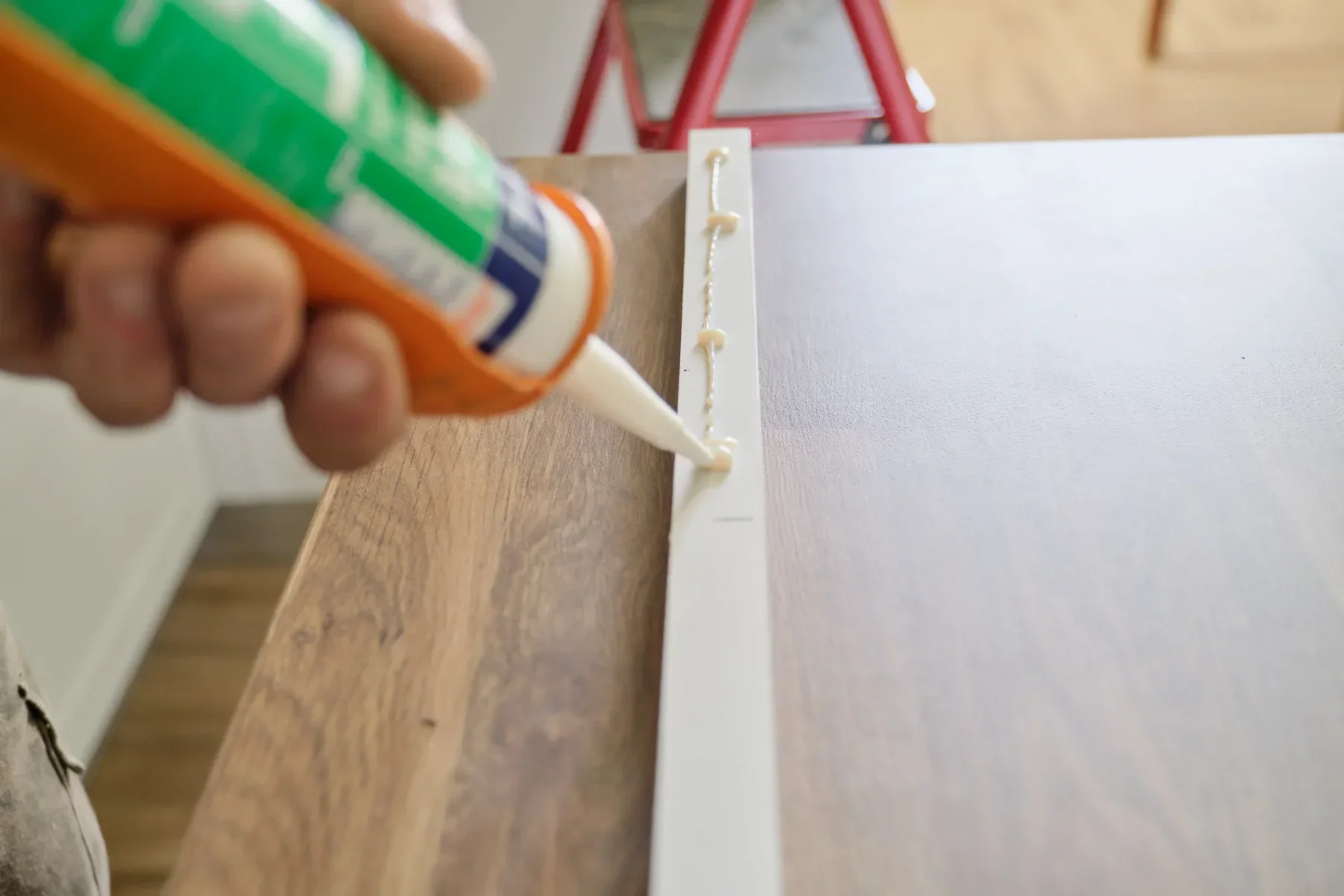
Yes, you can temporarily glue a refrigerator gasket, but it is not a recommended long-term repair. The gasket, or door seal, is crucial for maintaining temperature and efficiency. Using a strong adhesive like a silicone-based sealant can reattach a loose section. However, this is a stopgap. The adhesive may not withstand the constant flexing and temperature changes, leading to failure. For a proper fix, the gasket should be replaced. A worn or torn seal allows cold air to escape, making the compressor work harder and increasing energy bills. A professional replacement ensures an airtight seal, restoring efficiency and preventing further issues.
Replacing a U.S. Cooler door gasket is a critical maintenance task for ensuring energy efficiency and proper temperature control. First, carefully remove the old gasket, cleaning the channel thoroughly with a mild detergent to ensure a good seal for the new one. When installing the new gasket, start at the top center of the door and work your way around the corners, gently stretching it to fit without twisting. Do not cut it to length until it is fully seated. A proper installation means the gasket makes full, even contact when the door is closed. A common test is to close the door on a dollar bill; if it pulls out with slight resistance all around, the seal is correct. Regularly inspect gaskets for cracks or hardening and replace them promptly to prevent costly compressor strain and refrigerant loss.
Walk-in freezer door insulation is critical for maintaining energy efficiency and preventing condensation. The most common insulation materials are polyurethane foam and polystyrene, with polyurethane offering superior thermal resistance. Proper installation is essential to avoid thermal bridging, where cold escapes through gaps or less insulated sections. Doors should have a continuous vapor barrier to stop moisture ingress, which can degrade insulation over time. Regular inspection of door gaskets and seals is necessary, as compression loss leads to air leaks. For optimal performance, ensure the door's insulation thickness matches the surrounding wall panels and that all edges are tightly sealed to the frame.