
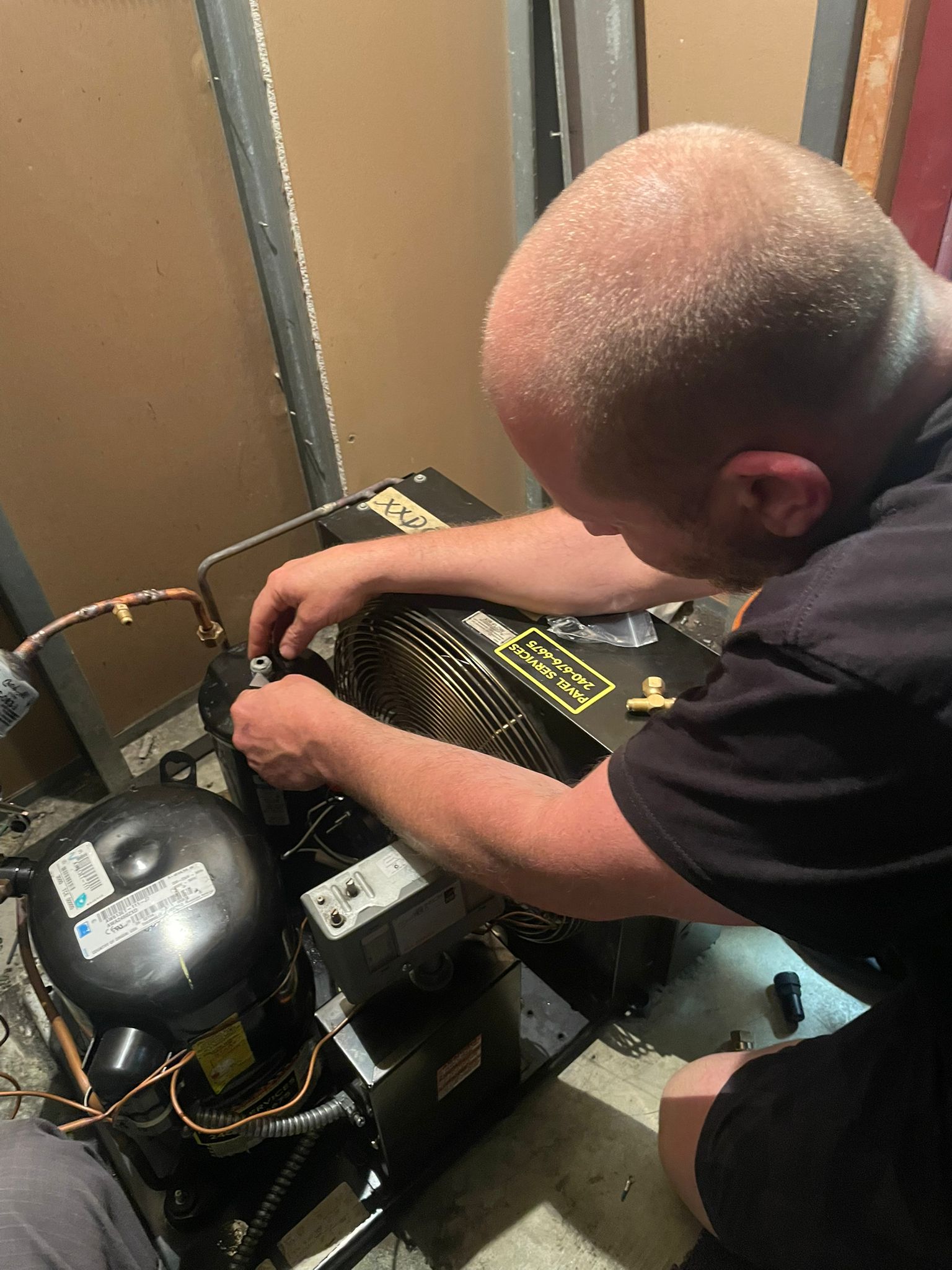
Alright, let’s get real about something that can make even the most seasoned business owner in Washington break out in a cold sweat: commercial warranty claims. We’ve all been there, staring at a malfunctioning piece of equipment, warranty paperwork in hand, and a sinking feeling that this is about to become a monumental headache. It doesn’t have to be that way. We’re going to walk through this maze together, with a few laughs along the way, because if we don’t laugh, we might cry, right?
Demystifying the Commercial Warranty in Our World
So, what exactly are we dealing with here? A commercial warranty is a promise from a manufacturer to stand behind their equipment, but let’s be honest, sometimes it feels like they’re standing really far behind it. Unlike the simple warranty on your home blender, commercial warranties are a different beast. They’re packed with legalese, specific conditions, and, our personal favorite, loopholes you could drive a truck through.
From our perspective at Pavel Refrigerant Services, we see the good, the bad, and the downright ugly when it comes to these agreements. A valid warranty claim can save you thousands, but an improperly filed one? That’s just an expensive lesson in frustration. The key is understanding that the warranty process isn’t just between you and the manufacturer; it almost always involves a certified, authorized technician—that’s where companies like ours come into the picture.
Why does this matter so much for us here in Washington, from Arlington to Wheaton? Our businesses rely on equipment that simply cannot fail. A single day without a functioning walk-in cooler or freezer isn’t just an inconvenience; it’s a direct hit to the bottom line. Navigating the warranty process correctly is the first line of defense in protecting your investment.
The Usual Suspects: What Actually Breaks and Is It Covered?
Let’s talk about the real-world failures we encounter daily. It’s rarely the entire unit that gives up the ghost; it’s usually a specific component that decides it’s had enough.
Here’s a quick breakdown of common issues and their typical warranty status:
| Component | Common Issue | Usually Covered by Manufacturer’s Parts Warranty? | Usually Covered by Labor Warranty? |
|---|---|---|---|
| Compressor | Burnout, Seizure | Often, if not due to lack of maintenance | Sometimes, with an extended warranty |
| Evaporator Coils | Leaks, Frost Buildup | Yes, for defects | Rarely |
| Control Board | Failure, Power Surge | Yes, for manufacturing defects | Rarely |
| Thermostatic Expansion Valve (TXV) | Stuck, Clogged | Often | Rarely |
| Fan Motors | Bearing Failure, Seizing | Yes | Rarely |
| Gaskets & Seals | Wear and Tear, Cracking | Sometimes (pro-rated) | No |
See a pattern? The parts might be covered, but the labor to install them often is not. This is the single biggest “gotcha” we see. A manufacturer might send you a free compressor, but you’re still on the hook for the significant cost of the skilled labor to install it. This is a critical point to understand before you even pick up the phone.
Ever wondered why your commercial walk in cooler repair seems to always happen at the worst possible time? It’s not your imagination; it’s physics and constant use. When you’re searching for “commercial refrigeration repair near me” in a panic, you’re hoping the nearest company can also handle the warranty complexities. That’s a tall order. For instance, when we get a call for restaurant refrigeration repair in Silver Spring, our first move is always to check the warranty status. It saves everyone time and money.
Your Warranty Survival Kit: Documentation and Diagnosis
This is where the battle is won or lost, folks. Proper documentation isn’t just boring paperwork; it’s your ammunition. Think of us as your warranty wingmen. When you call Pavel Refrigerant Services for a suspected warranty issue, here’s what we’re going to look for:
- Proof of Purchase: You’d be amazed how many businesses can’t find the original invoice. Keep it in a safe, digital place. This is your birth certificate for the equipment.
- Installation Date: The warranty clock starts ticking from this moment, not the day you bought it.
- Regular Maintenance Records: This is the big one. A manufacturer can and will deny a claim if they can prove the failure was due to neglect. Consistent commercial refrigeration maintenance isn’t just a good idea; it’s your legal shield.
Imagine a compressor fails. The manufacturer asks for maintenance records, and you have none. Their immediate assumption is that dirty coils or low refrigerant caused the burnout. Without a paper trail from a trusted commercial refrigeration service provider, you have no defense. IMO, skipping maintenance to save a few bucks is the most expensive false economy in our industry.
When we perform commercial refrigeration maintenance, we’re not just cleaning coils and checking pressures; we’re building your case for future warranty claims. Every service report is a documented receipt proving you did your due diligence.
Navigating the Claim: A Step-by-Step Playbook
So, the worst has happened. Your walk in refrigerator repair light is flashing, and the temperature is rising. Don’t panic. Here’s your game plan.
Step 1: Stop. Do Not Touch.
Seriously. Don’t start fiddling with the unit. Power it down if it’s a safety issue, but otherwise, leave it be. Unauthorized tampering can instantly void your warranty. Your first call should be to an authorized service provider, not your cousin who’s “good with electronics.”
Step 2: Call in the Pros (That’s Us!)
When you contact a company like ours, we immediately become your advocate. We’ll dispatch a technician to diagnose the issue. This initial diagnostic fee is almost never covered by the warranty, FYI, but it’s the essential first step. Is it a compressor issue requiring industrial refrigeration repair expertise, or a simple sensor? We’ll figure it out.
Step 3: The Diagnosis and The Call
Once we identify the failed part, we contact the manufacturer’s warranty department on your behalf. We provide them with:
- The model and serial number.
- Our diagnosis and the failed component.
- The proof of purchase and installation date you provided.
- Your maintenance history (see how that comes back?).
We do all the talking. We speak their language, quote their case numbers, and cut through the red tape.
Step 4: The Verdict and The Fix
The manufacturer will authorize the replacement part. It gets shipped to us, and we schedule the commercial freezer repair or commercial fridge repair. Remember our table? The part is covered, but the labor usually isn’t. We’ll give you a clear, upfront price for the labor so there are no surprises. This is where having a trusted, nearby partner saves you from sticker shock.
The Fine Print That Will Bite You
We have to talk about the loopholes. They’re sneaky, and they’re everywhere.
- Acts of God/Nature: Power surge from a storm? That compressor failure might be on you, not them.
- Improper Installation: This is why you hire experts for the initial install. A bad install can void the entire warranty from day one.
- Use of Non-OEM Parts: Did someone try to save a few bucks with a generic part last time? That might have just voided your warranty for any subsequent failures.
- “Professional Use Only”: This is a big one for restaurant refrigeration repair. Using a lightly-duty unit in a high-demand environment can be grounds for denial.
It can feel like they don’t want to honor their warranties, doesn’t it? Sometimes it feels that way. But more often, it’s about them protecting themselves from claims that are truly the result of external factors or neglect. Your job is to eliminate those possibilities from the equation.
Your Top Warranty Questions, Answered
Let’s tackle the questions we hear all the time.
1. “The manufacturer approved the part, but the labor cost is huge. Is this normal?”
Unfortunately, yes, this is the standard model. Parts warranties and labor warranties are almost always separate. The manufacturer covers the cost of the defective component, but the skilled labor to safely remove the old part and install the new one—whether it’s for a walk in cooler repair or an industrial refrigeration repair—is the responsibility of the business owner. This is why understanding the total potential cost is crucial.
2. “I can’t find my maintenance records. Will my claim be denied?”
It significantly increases the risk of denial. The burden of proof is on you to show you maintained the equipment properly. Without records, the manufacturer has a very easy excuse to say “no.” This is the most common, and most preventable, reason for claim rejection.
3. “How do I know if my regular maintenance is sufficient to keep the warranty valid?”
Great question. The warranty booklet that came with your equipment (see, more paperwork!) will outline the specific maintenance requirements. Typically, it involves seasonal check-ups by a qualified technician. At Pavel Refrigerant Services, our commercial refrigeration maintenance plans are specifically designed to not only keep your equipment running efficiently but also to create the detailed, time-stamped records you need to keep your warranty intact.
Wrapping It Up: Your Peace of Mind is the Goal
Look, navigating a commercial warranty claim in Washington, from the busy streets of Arlington to the industrial areas of Wheaton, is rarely a walk in the park. But it doesn’t have to be a nightmare. It boils down to three things: knowledge, documentation, and the right partner.
Think of your warranty not as a guarantee of free repairs, but as a partnership that requires you to hold up your end of the bargain with proper care. And when something does go wrong, you want the closest thing to a warranty expert in your corner.
We built Pavel Refrigerant Services to be that expert for businesses in Montgomery County and beyond. We handle the stressful conversations with the manufacturers, we document everything meticulously, and we get your business back up and running with transparent, honest labor prices. So, the next time your equipment acts up, before you dive into that warranty packet alone, give us a call. Let’s tackle it together.
People Also Ask
For warranty claims on refrigeration equipment, adherence to the manufacturer's specific terms is paramount. Generally, valid claims require proof of purchase, installation by a certified technician, and use of approved refrigerants and parts. The work must typically be performed by an authorized service provider like Pavel Refrigerant Services. Most warranties are voided by unauthorized modifications, improper installation, neglect, or failure to perform scheduled maintenance. Claims must be submitted within the warranty period, which often starts from the date of original installation. It is crucial to review your equipment's warranty certificate thoroughly and maintain detailed service records to ensure compliance and facilitate a smooth claims process.
In Washington state, the implied warranty law is primarily governed by the Uniform Commercial Code (UCC) for goods and common law for services and real estate. For the sale of goods, the UCC provides two key implied warranties: the implied warranty of merchantability, meaning the item is fit for its ordinary purpose, and the implied warranty of fitness for a particular purpose, which applies when a seller knows a buyer's specific need. These warranties are automatic unless explicitly disclaimed in writing. For new residential construction, the Implied Warranty of Habitability is also recognized by courts, requiring that a home be fit for living. Consumers should note that these protections exist alongside any express warranties provided.
Handling warranty claims effectively requires a structured and customer-centric approach. First, verify the claim by checking the product's purchase date, warranty period, and serial number against your records. Ensure the issue is covered under the warranty terms, which typically include manufacturing defects but exclude damage from misuse or unauthorized repairs. Document all details thoroughly, including customer information and a description of the fault. For approved claims, process repairs or replacements promptly, using genuine parts to maintain quality. Clear communication with the customer about timelines and procedures is essential to uphold trust and satisfaction. Always comply with local consumer protection laws to avoid legal complications.
Dealing with a denied warranty claim requires a systematic and professional approach. First, carefully review the denial letter and your warranty contract to understand the stated reason, such as improper installation, lack of maintenance, or damage deemed accidental. Gather all supporting documentation, including service records, invoices, photos, and communications. If the denial is based on a technician's assessment, consider obtaining a second opinion from a licensed, independent professional. Present your case in writing to the warranty provider's escalation department, clearly referencing your evidence and the contract terms. If unresolved, you may contact your state's consumer protection agency or consider mediation. Maintaining detailed records and demonstrating that you adhered to maintenance requirements is crucial for a successful appeal.
The Washington Product Liability Act (WPLA), codified in the Revised Code of Washington (RCW) Title 7, is the primary statute governing product liability claims in the state. It establishes a comprehensive framework for holding manufacturers and sellers responsible for injuries caused by defective products. The Act covers three main types of defects: design defects, manufacturing defects, and inadequate warnings or instructions. Under the WPLA, a claimant must generally prove that the product was unreasonably dangerous and that this defect was the proximate cause of their harm. The law incorporates principles of comparative fault and has specific statutes of limitation and repose. For businesses, including those in the HVAC and refrigeration sector, strict adherence to safety standards, rigorous quality control, and clear, comprehensive warning labels are essential to mitigate liability risks under this statute.
