

Repairing the Core of Your Cooling Control Systems
Failure of the thermostat or control system may cause a disequilibrium in your whole refrigeration system and result in variations of temperatures, spoilage of items, and higher energy expenses. Our skilled technicians are specialized in identifying faults, fixing sensors, and precision in recalibration of controls. With modern equipment and proven techniques in the industry, we restore your systems to a stable performance, so that there is uniform cooling accuracy and reliable temperature control of all the units.

Fine-Tuned Systems for Maximum Efficiency
With flawless control systems, your business will be running smoothly. That is why we do not stop at mere repairs, but fine-balance all the connections, checking the system reactions, and make the system work as long as possible. We want to assist you to have the most energy-efficient system, reduce your operating expenses, and total confidence in the cooling equipment regardless of the size and complexity of your operation.


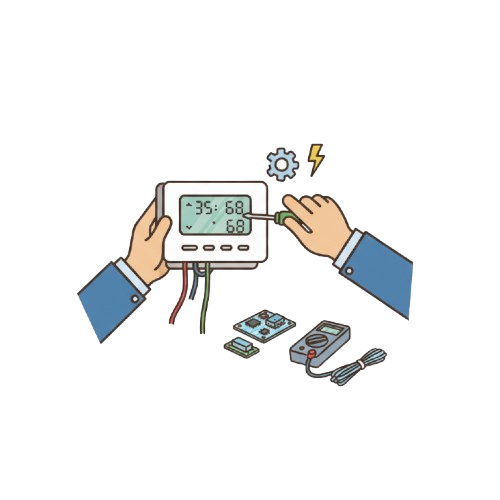
Analyze System Communication
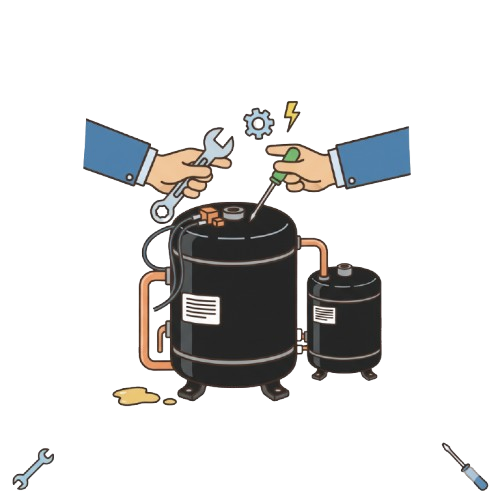
We inspect your thermostat and system for signal or sensor faults.

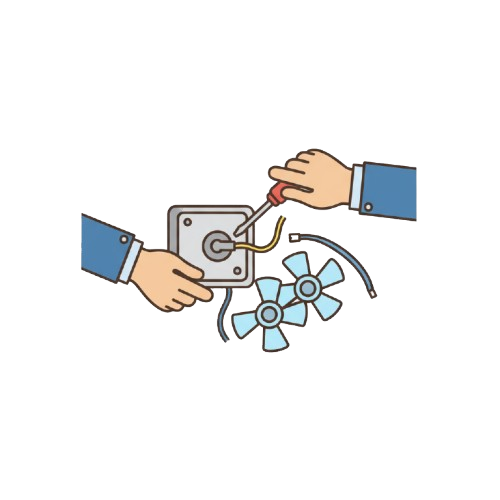
Rebuild Functional Precision
We repair or replace components to restore smooth system control.

Recalibrate for True Accuracy
We calibrate systems for accurate temperatures and efficient energy use.

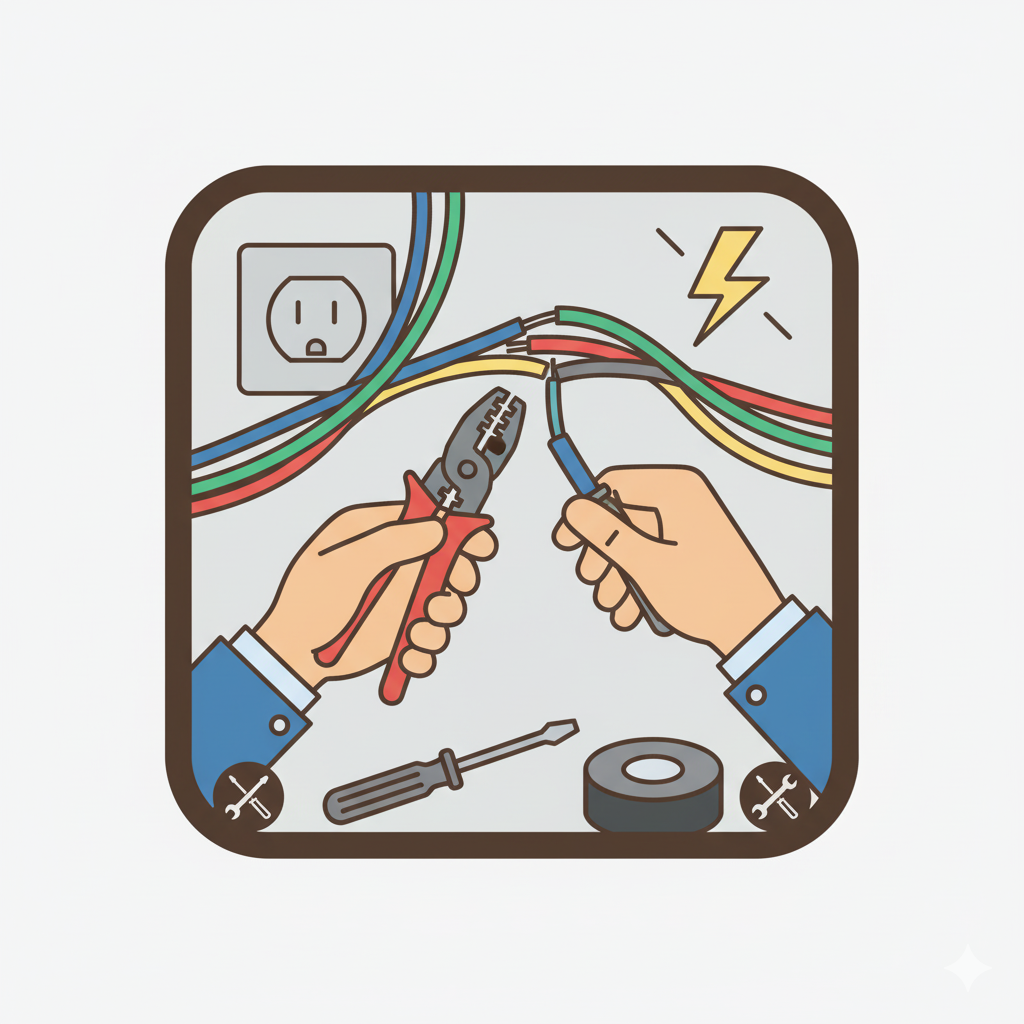
Stabilize and Secure Performance
We test all functions to ensure long-term performance and reliability.

We hired them to do a complete kitchen and two bathrooms renovation. They were extremely professional, kept us within budget, and finished early. The communication was excellent; they kept us updated daily, and the entire experience was stress-free. The workmanship is beautiful. Highly recommend this remodeling and construction company.


Skilled technicians diagnosing issues quickly and performing reliable repairs.

We hired them to do a complete kitchen and two bathrooms renovation. They were extremely professional, kept us within budget, and finished early. The communication was excellent; they kept us updated daily, and the entire experience was stress-free. The workmanship is beautiful. Highly recommend this remodeling and construction company.

They have great service They fix my walking refrigerator They got here on time and it worked great after the service they did to my restaurant refrigerator I recommend them to friends that has restaurants

Pavel was called on an emergency service on a Saturday morning and came out to fix a walk-in freezer that was recently installed at our restaurant. The freezer was icing over and the temperature was rising inside. Since this could not wait, he came out and identified the issue and fixed it properly. On that same night, he even came back to ensure the unit was working properly and holding deep-freezer temperatures. Pavel went above and beyond for our restaurant and we are very happy with his service. Our restaurant recommends him!

Our bar cooler wasn’t keeping temp and the guys from Pavel Refrigerant Services figured it out right away.
It turned out to be a thermostat issue which they repaired on the spot.
Quick service and solid work all around.

Had an issue with our commercial refrigeration system and these guys fixed it fast. Their quick service and great communication made a stressful situation super easy. Definitely sticking with them for future maintenance.

Had an issue with our commercial refrigeration system and these guys fixed it fast. Their quick service and great communication made a stressful situation super easy. Definitely sticking with them for future maintenance.

Got a refrigerant leak detected and repaired by Pavel’s team. They found the issue fast and made sure there were no other hidden problems. The service was smooth and the price made sense.

Our warehouse cooler needed compressor repair and Pavel’s crew handled it like pros. They showed up with all the appropriate equipment and didn’t waste any time. The pricing was fair and the system has been running flawlessly since.


Related Articles
People Also Ask
The cost to fix a thermostat typically ranges from $150 to $400, though this can vary significantly based on the issue and system type. A simple recalibration or sensor replacement might be on the lower end, while replacing the entire thermostat unit, especially a modern programmable or smart model, can cost more. Labor is a major factor, usually billed at $75 to $150 per hour. For HVAC systems, always hire a certified technician to ensure proper diagnosis and installation, as incorrect handling can lead to system inefficiency or safety hazards. It's advisable to get multiple quotes and ensure the service includes testing the system's overall performance.
The most common cause of thermostat malfunctions is dirt, dust, and debris accumulation inside the unit. Over time, these contaminants can interfere with electrical connections, cause the thermostat to read temperatures inaccurately, or prevent the internal components like the bimetallic coil or mercury switch from operating correctly. Other frequent issues include improper leveling (for older mechanical models), loose wiring connections, dead batteries in digital models, and location factors like direct sunlight or drafts causing false readings. Simple maintenance, such as gently cleaning the interior with a soft brush and ensuring secure wire connections, often resolves these problems. For persistent issues, professional calibration or replacement may be necessary.
For a malfunctioning thermostat, you should first contact a licensed HVAC (Heating, Ventilation, and Air Conditioning) technician. These professionals are specifically trained to diagnose and repair issues with thermostat wiring, calibration, and compatibility with your heating and cooling systems. If the thermostat is part of a complex or newer smart home system, an electrician with relevant low-voltage experience may also be consulted. Before calling, perform basic troubleshooting: ensure the thermostat is set to the correct mode (heat/cool), check for dead batteries, and verify the circuit breaker is on. A professional can determine if the problem lies with the thermostat itself, the HVAC equipment, or the connecting wiring, ensuring a safe and correct repair.
A malfunctioning thermostat control can often be resolved with a few systematic checks. First, ensure the thermostat is receiving power by checking its display and any circuit breakers. Next, verify the settings are correct for the desired mode (heat/cool) and temperature. If those are fine, a common issue is accumulated dust inside the unit; gently cleaning the interior with a soft brush can restore proper operation. For more persistent problems related to wiring, sensor calibration, or complete failure to communicate with the HVAC system, professional diagnosis is recommended. These complex electrical issues are covered in our detailed internal guide, Thermostat and Control System Repairs, which outlines industry-standard troubleshooting and repair procedures.
For thermostat and control system repairs in California, it is crucial to work with a licensed, EPA-certified HVAC technician. These systems are the brain of your refrigeration or air conditioning unit, managing temperature, defrost cycles, and safety controls. Common issues include faulty sensors, wiring problems, or a malfunctioning control board. A professional will diagnose the problem using specialized tools, often checking for error codes and calibrating the system to manufacturer specifications. Regular maintenance of these components can prevent costly failures and ensure energy efficiency. Always verify a service provider's credentials and experience with your specific equipment brand before scheduling a repair.
For thermostat and control system repairs in Texas, it is crucial to engage a licensed HVAC professional. These systems are complex, integrating electrical components, sensors, and programming logic. A certified technician will diagnose issues ranging from faulty wiring and sensor calibration to complete system board failures. They ensure repairs comply with local Texas codes and manufacturer specifications, which is vital for system efficiency and safety. Always verify the service provider's credentials, including EPA certification for handling refrigerants if the control system is part of a larger HVAC unit. Proper maintenance of these controls can significantly improve energy efficiency and prevent costly breakdowns in Texas's demanding climate.
To fix a wall thermostat, first ensure safety by turning off the power to the HVAC system at the circuit breaker. Remove the thermostat cover to inspect for common issues. Check for and replace any dead batteries if it's a digital model. Ensure all wiring connections are secure and not corroded; loose wires are a frequent cause of malfunction. Use a multimeter to test for proper voltage. If the thermostat is old or unresponsive, it may need recalibration or replacement. For programmable thermostats, consult the manual to reset the device. If problems persist, the issue could be with the HVAC system itself, and consulting a certified HVAC technician is recommended to avoid further damage.