



We hired them to do a complete kitchen and two bathrooms renovation. They were extremely professional, kept us within budget, and finished early. The communication was excellent; they kept us updated daily, and the entire experience was stress-free. The workmanship is beautiful. Highly recommend this remodeling and construction company.


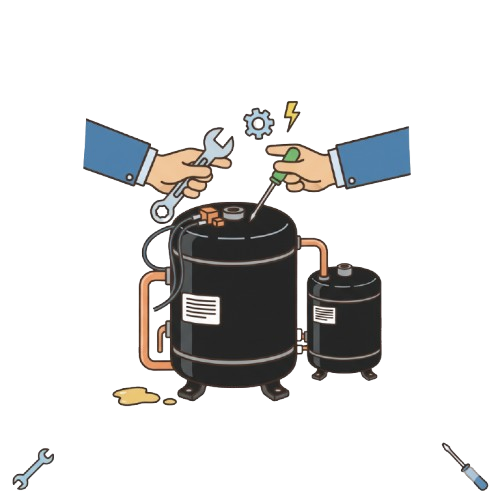
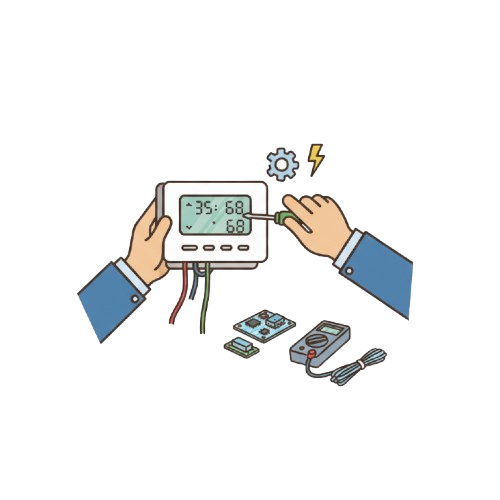
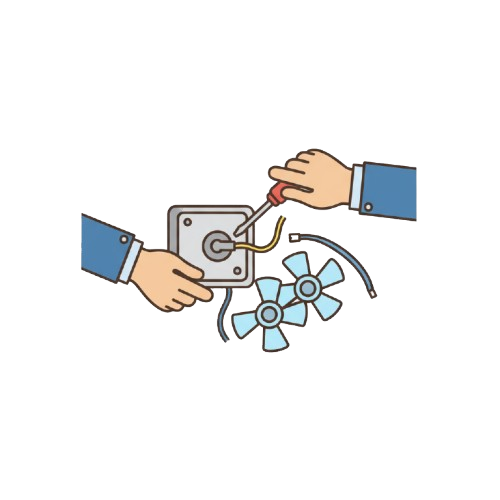
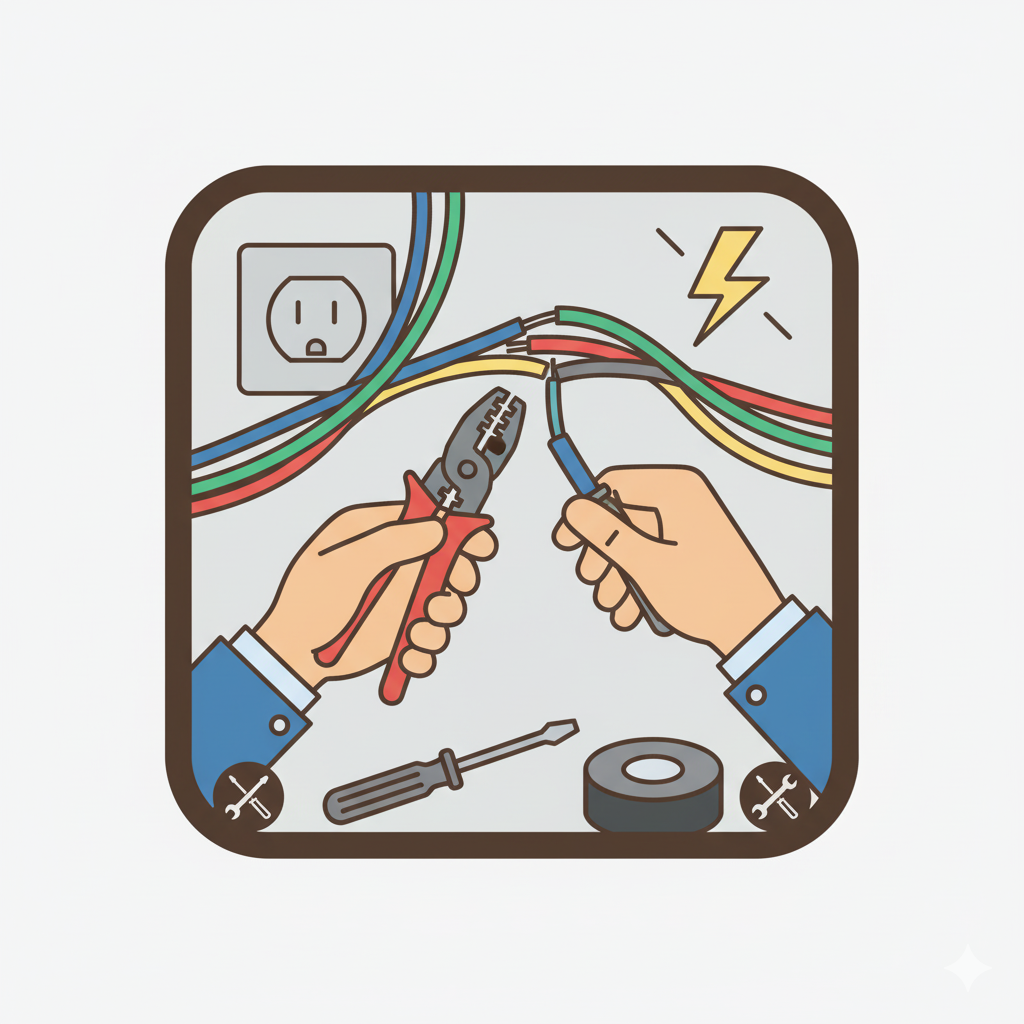
Skilled technicians diagnosing issues quickly and performing reliable repairs.

We hired them to do a complete kitchen and two bathrooms renovation. They were extremely professional, kept us within budget, and finished early. The communication was excellent; they kept us updated daily, and the entire experience was stress-free. The workmanship is beautiful. Highly recommend this remodeling and construction company.

They have great service They fix my walking refrigerator They got here on time and it worked great after the service they did to my restaurant refrigerator I recommend them to friends that has restaurants

Pavel was called on an emergency service on a Saturday morning and came out to fix a walk-in freezer that was recently installed at our restaurant. The freezer was icing over and the temperature was rising inside. Since this could not wait, he came out and identified the issue and fixed it properly. On that same night, he even came back to ensure the unit was working properly and holding deep-freezer temperatures. Pavel went above and beyond for our restaurant and we are very happy with his service. Our restaurant recommends him!

Our bar cooler wasn’t keeping temp and the guys from Pavel Refrigerant Services figured it out right away.
It turned out to be a thermostat issue which they repaired on the spot.
Quick service and solid work all around.

Had an issue with our commercial refrigeration system and these guys fixed it fast. Their quick service and great communication made a stressful situation super easy. Definitely sticking with them for future maintenance.

Had an issue with our commercial refrigeration system and these guys fixed it fast. Their quick service and great communication made a stressful situation super easy. Definitely sticking with them for future maintenance.

Got a refrigerant leak detected and repaired by Pavel’s team. They found the issue fast and made sure there were no other hidden problems. The service was smooth and the price made sense.

Our warehouse cooler needed compressor repair and Pavel’s crew handled it like pros. They showed up with all the appropriate equipment and didn’t waste any time. The pricing was fair and the system has been running flawlessly since.
People Also Ask
The cost to fix a thermostat can vary widely based on the type of system and the specific issue. For a standard residential HVAC system, a simple thermostat replacement with a basic model typically ranges from $150 to $300, including parts and labor. If the repair involves complex diagnostics, wiring issues, or installing a programmable or smart thermostat, costs can increase to $250 to $500 or more. The final price depends heavily on the service call fee, the technician's hourly rate, and the brand of the thermostat. It is always recommended to get a detailed estimate from a certified HVAC professional, as attempting a DIY fix on wiring can lead to further system damage and safety hazards.
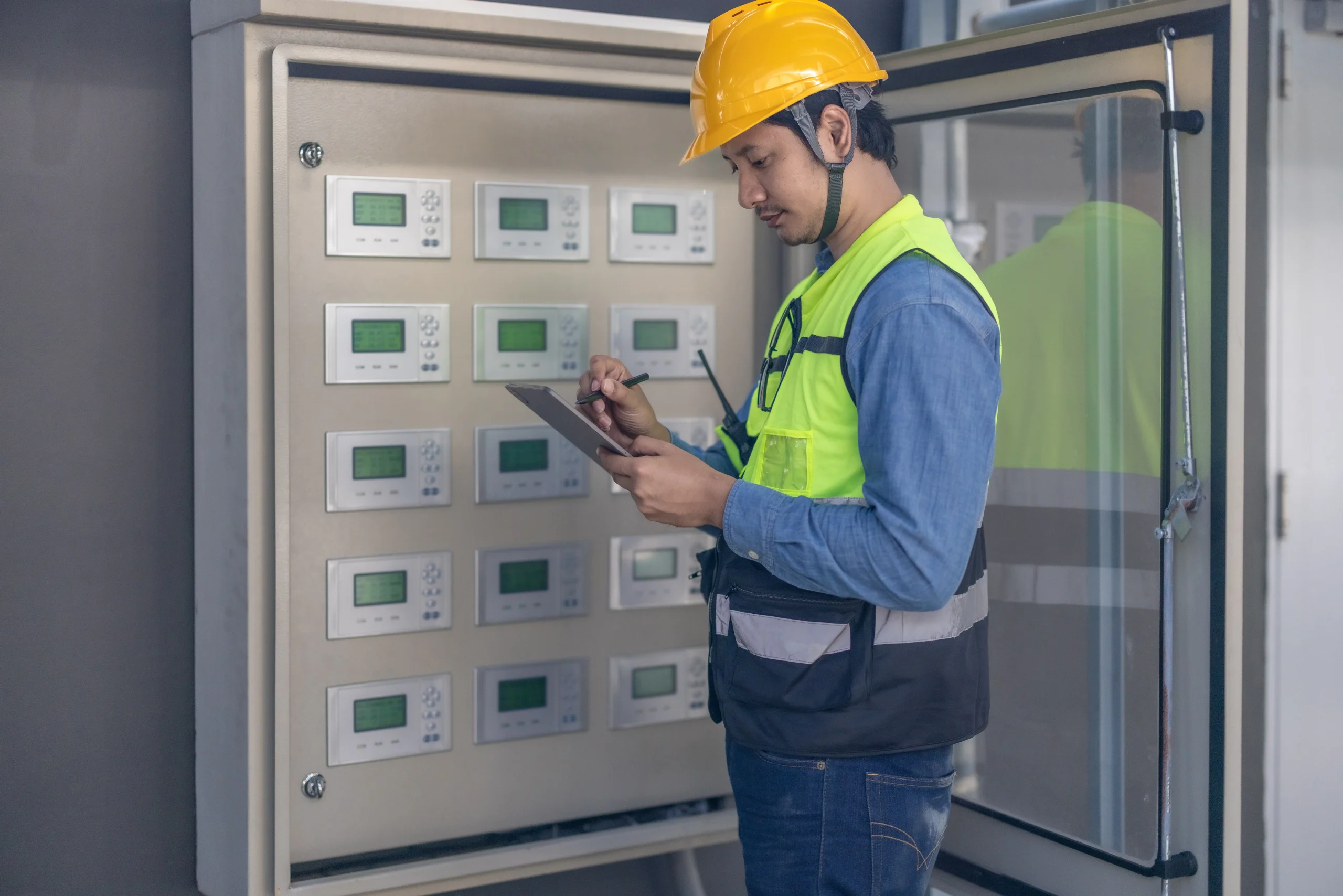
For thermostat issues, you can call a licensed HVAC (Heating, Ventilation, and Air Conditioning) technician. These professionals are specifically trained to diagnose and repair problems with thermostats, whether they are simple mechanical models or complex smart/wireless systems. Before calling, check basic troubleshooting steps like ensuring the thermostat has power, the display is on, and the circuit breaker hasn't tripped. A qualified technician will test the thermostat's wiring, calibrate it if necessary, and determine if the issue lies with the thermostat itself or the connected HVAC equipment. For safety and to avoid voiding warranties, it's always recommended to hire a certified professional rather than attempting electrical repairs yourself.
For thermostat issues, assistance is available from several qualified professionals. A licensed HVAC technician is the primary expert, as they can diagnose and repair problems with wiring, calibration, and compatibility with your heating and cooling system. For smart or programmable thermostats, the manufacturer's customer support can often provide troubleshooting guidance. In some cases, a qualified electrician may be needed if there are underlying electrical circuit problems. It is generally not recommended for homeowners to attempt complex electrical repairs themselves due to safety risks. For optimal performance and energy efficiency, having a professional ensure your thermostat is correctly installed and calibrated is a sound investment.
The lifespan of a Honeywell thermostat varies significantly by model and usage. Basic non-programmable models can last 10 years or more due to their simple mechanical design. Modern programmable and smart thermostats, like the Honeywell Home T-series or Lyric models, typically have a functional lifespan of around 8 to 10 years. This is influenced by factors such as power surges, HVAC system compatibility, and firmware updates for smart features. To maximize longevity, ensure proper installation, use a surge protector, and perform regular system maintenance. If your thermostat begins displaying inaccurate temperatures, becomes unresponsive, or causes HVAC short-cycling, it may be nearing the end of its service life and should be evaluated by a professional.