


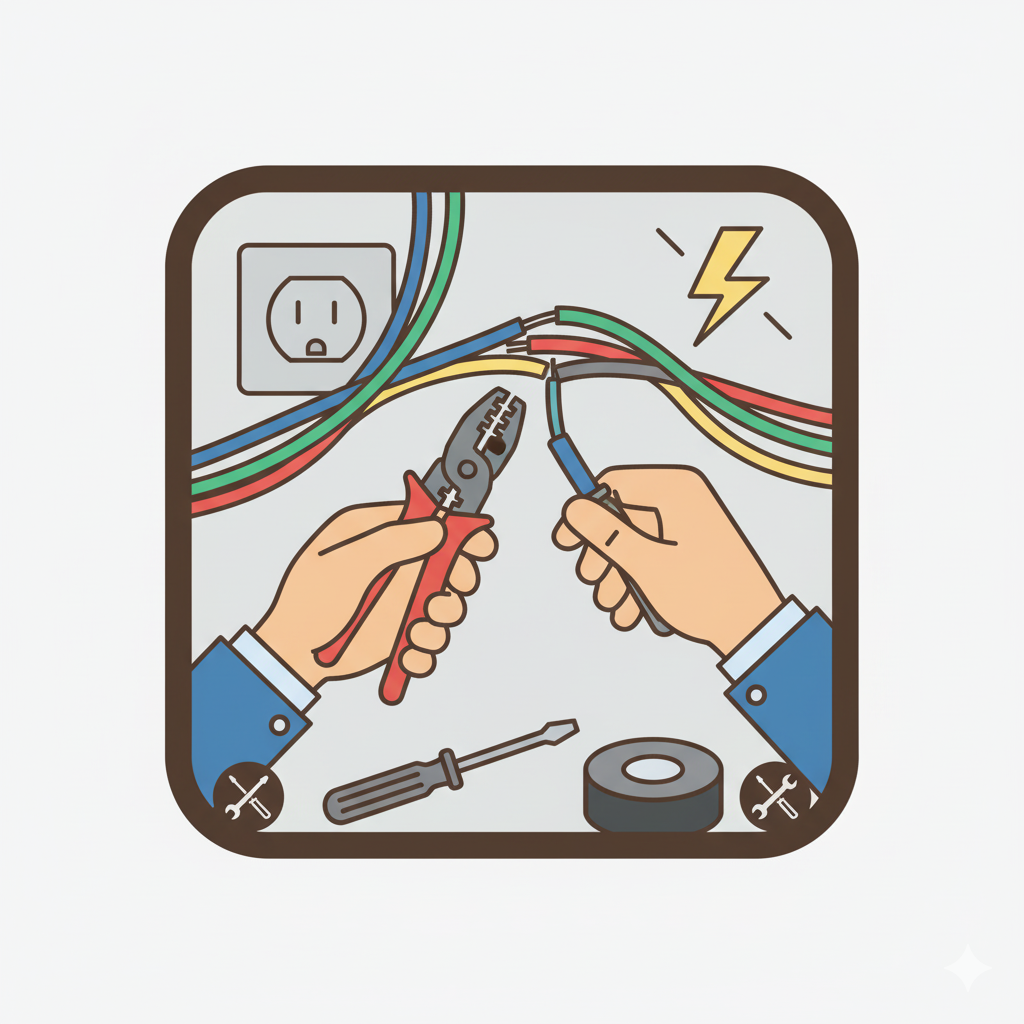

We hired them to do a complete kitchen and two bathrooms renovation. They were extremely professional, kept us within budget, and finished early. The communication was excellent; they kept us updated daily, and the entire experience was stress-free. The workmanship is beautiful. Highly recommend this remodeling and construction company.


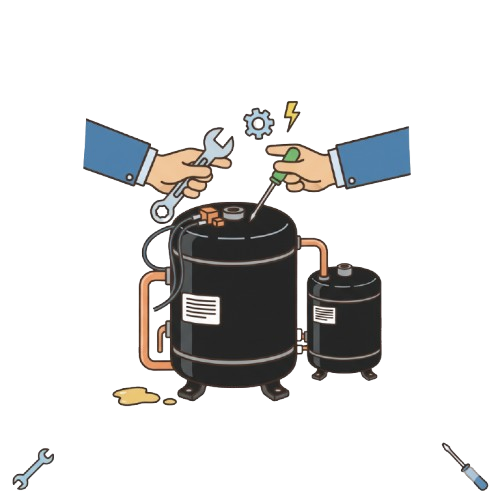
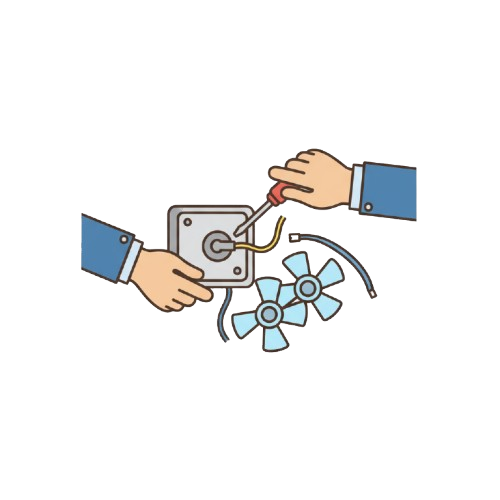
Skilled technicians diagnosing issues quickly and performing reliable repairs.

We hired them to do a complete kitchen and two bathrooms renovation. They were extremely professional, kept us within budget, and finished early. The communication was excellent; they kept us updated daily, and the entire experience was stress-free. The workmanship is beautiful. Highly recommend this remodeling and construction company.

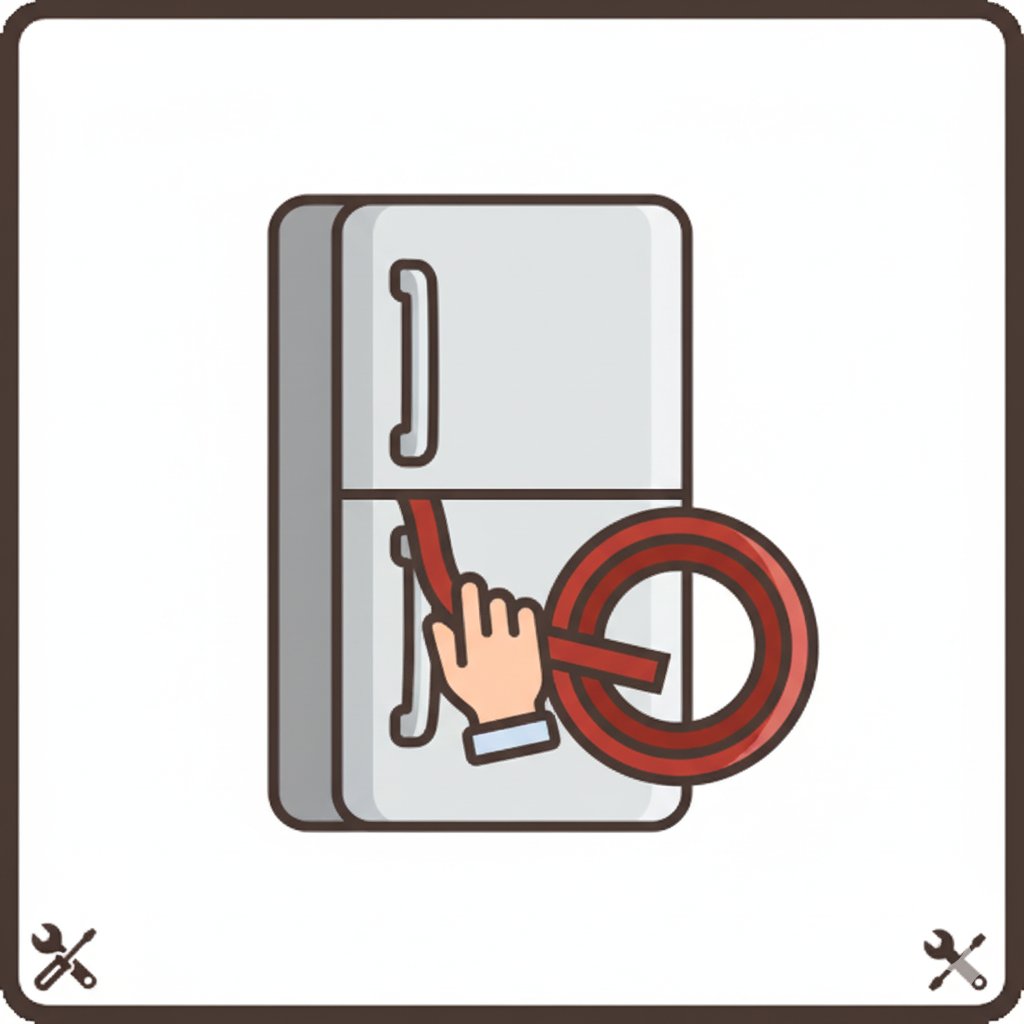
They have great service They fix my walking refrigerator They got here on time and it worked great after the service they did to my restaurant refrigerator I recommend them to friends that has restaurants

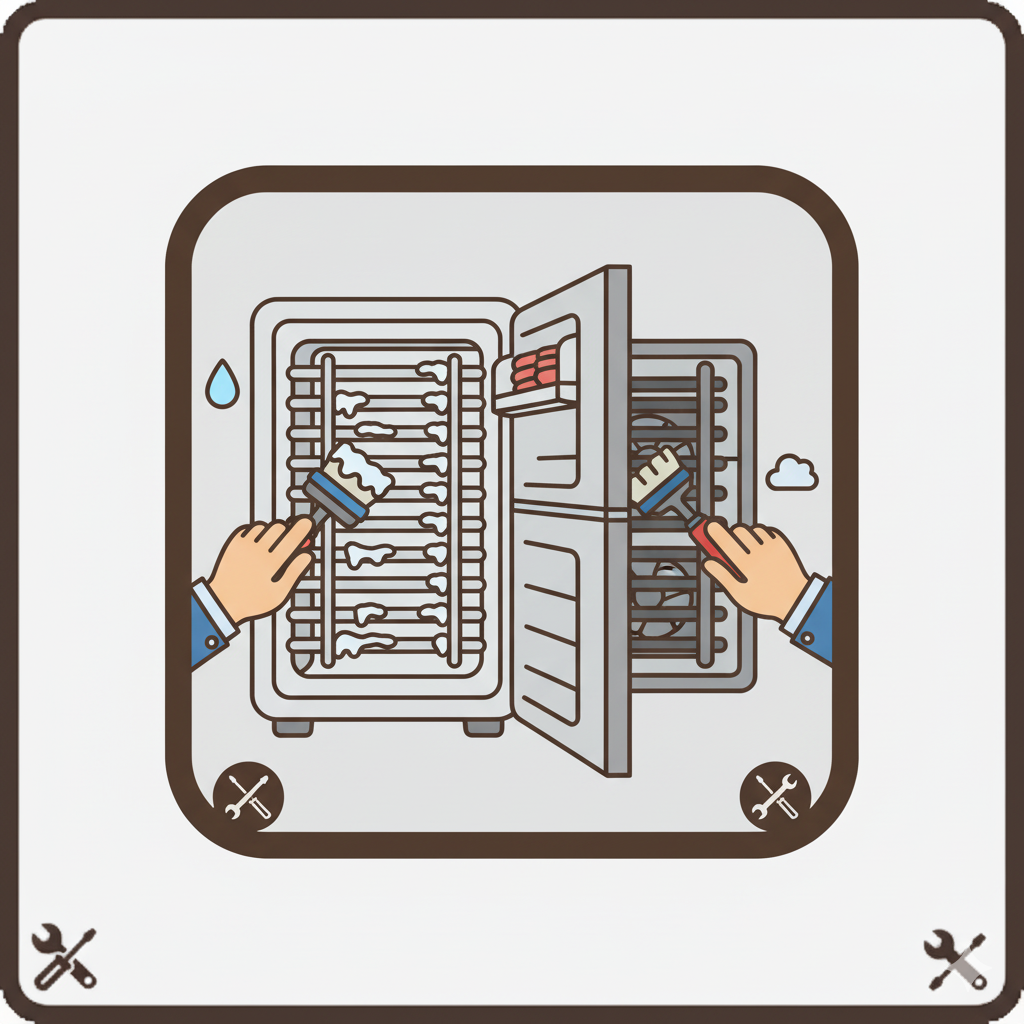
Pavel was called on an emergency service on a Saturday morning and came out to fix a walk-in freezer that was recently installed at our restaurant. The freezer was icing over and the temperature was rising inside. Since this could not wait, he came out and identified the issue and fixed it properly. On that same night, he even came back to ensure the unit was working properly and holding deep-freezer temperatures. Pavel went above and beyond for our restaurant and we are very happy with his service. Our restaurant recommends him!

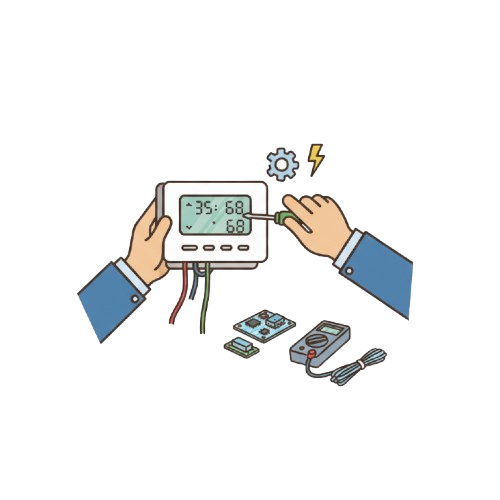
Our bar cooler wasn’t keeping temp and the guys from Pavel Refrigerant Services figured it out right away.
It turned out to be a thermostat issue which they repaired on the spot.
Quick service and solid work all around.

Had an issue with our commercial refrigeration system and these guys fixed it fast. Their quick service and great communication made a stressful situation super easy. Definitely sticking with them for future maintenance.

Had an issue with our commercial refrigeration system and these guys fixed it fast. Their quick service and great communication made a stressful situation super easy. Definitely sticking with them for future maintenance.

Got a refrigerant leak detected and repaired by Pavel’s team. They found the issue fast and made sure there were no other hidden problems. The service was smooth and the price made sense.

Our warehouse cooler needed compressor repair and Pavel’s crew handled it like pros. They showed up with all the appropriate equipment and didn’t waste any time. The pricing was fair and the system has been running flawlessly since.
People Also Ask
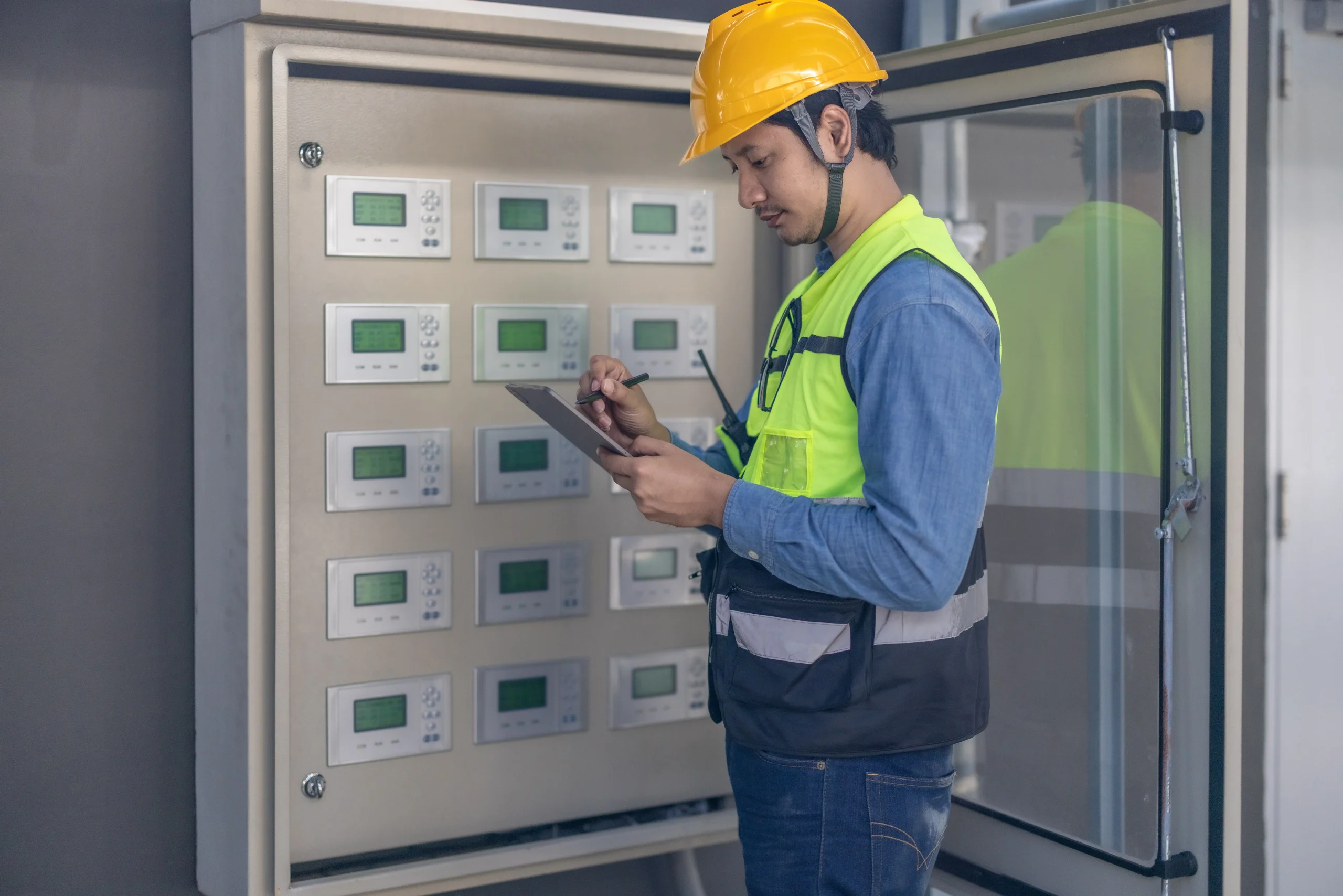
For thermostat issues, you can call a licensed HVAC technician. These professionals are trained to diagnose and repair problems with heating and cooling controls, whether it's a faulty sensor, wiring issue, or a complete system replacement. For complex smart thermostats, an electrician might also be consulted for wiring. Always verify the technician's credentials and ensure they are insured. For immediate troubleshooting, check the circuit breaker and ensure the thermostat has power. Regular maintenance by a qualified professional helps prevent failures and ensures your system runs efficiently, maintaining comfort and energy savings in your home or business.
Replacing a thermostat often involves working with low-voltage wiring from your HVAC system, which many homeowners can safely do themselves by carefully following the manufacturer's instructions and turning off the power. However, if the installation requires running new wiring, modifying an electrical panel, or integrating with a complex HVAC system like a heat pump, hiring a licensed electrician or HVAC technician is strongly recommended. They ensure the wiring is correct, the system is properly grounded, and the installation meets local electrical codes. For smart thermostats that may require a common "C" wire, professional installation can prevent damage to your HVAC control board and ensure optimal functionality.
A non-working thermostat can stem from several issues. First, check the basics: ensure the thermostat display is on and the system is set to the correct mode (heat/cool). If it's battery-powered, replace the batteries. For a hardwired unit, check your home's circuit breaker to ensure power is flowing. If these steps don't resolve it, the problem could be a tripped safety switch, a blown fuse in the HVAC unit, or faulty wiring. For complex HVAC systems, especially those using refrigerants, improper thermostat function can cause the system to short-cycle or fail entirely, leading to inefficient operation and potential compressor damage. In such cases, contacting a professional HVAC technician is strongly recommended to diagnose and safely repair the electrical or control system fault.
A person who repairs air conditioning (AC) systems is most accurately called an HVAC Technician or HVAC/R Technician. The "R" stands for refrigeration, which is a core component of air conditioning technology. These professionals are trained and certified to install, maintain, and repair the complex mechanical and electrical components within heating, ventilation, air conditioning, and refrigeration systems. Their work involves troubleshooting issues, handling refrigerants according to strict environmental regulations, and ensuring systems operate efficiently and safely. While terms like "AC repairman" are still used colloquially, HVAC Technician is the standard professional title that reflects the broad technical expertise required in the modern industry.