



We hired them to do a complete kitchen and two bathrooms renovation. They were extremely professional, kept us within budget, and finished early. The communication was excellent; they kept us updated daily, and the entire experience was stress-free. The workmanship is beautiful. Highly recommend this remodeling and construction company.


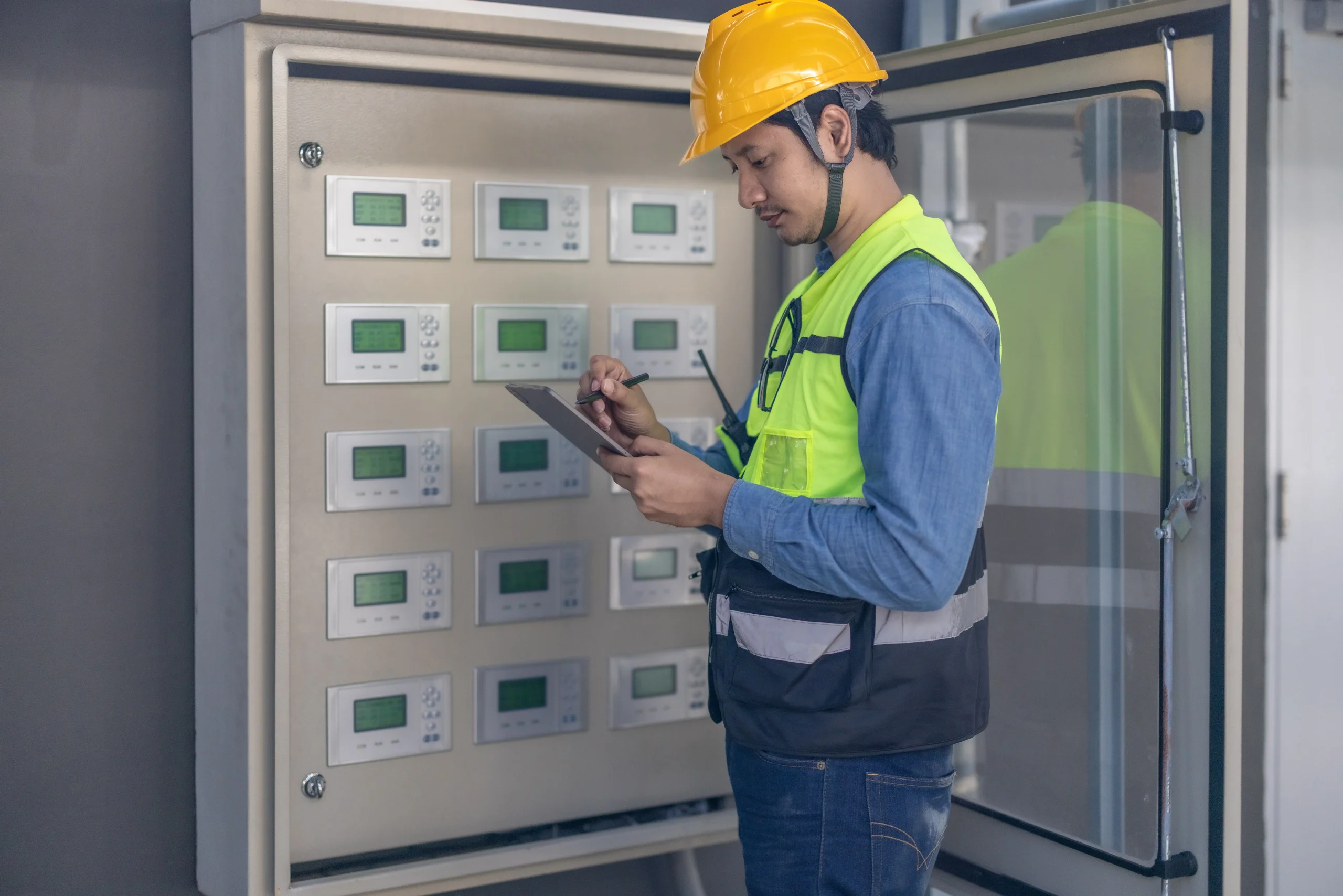
Skilled technicians diagnosing issues quickly and performing reliable repairs.

We hired them to do a complete kitchen and two bathrooms renovation. They were extremely professional, kept us within budget, and finished early. The communication was excellent; they kept us updated daily, and the entire experience was stress-free. The workmanship is beautiful. Highly recommend this remodeling and construction company.

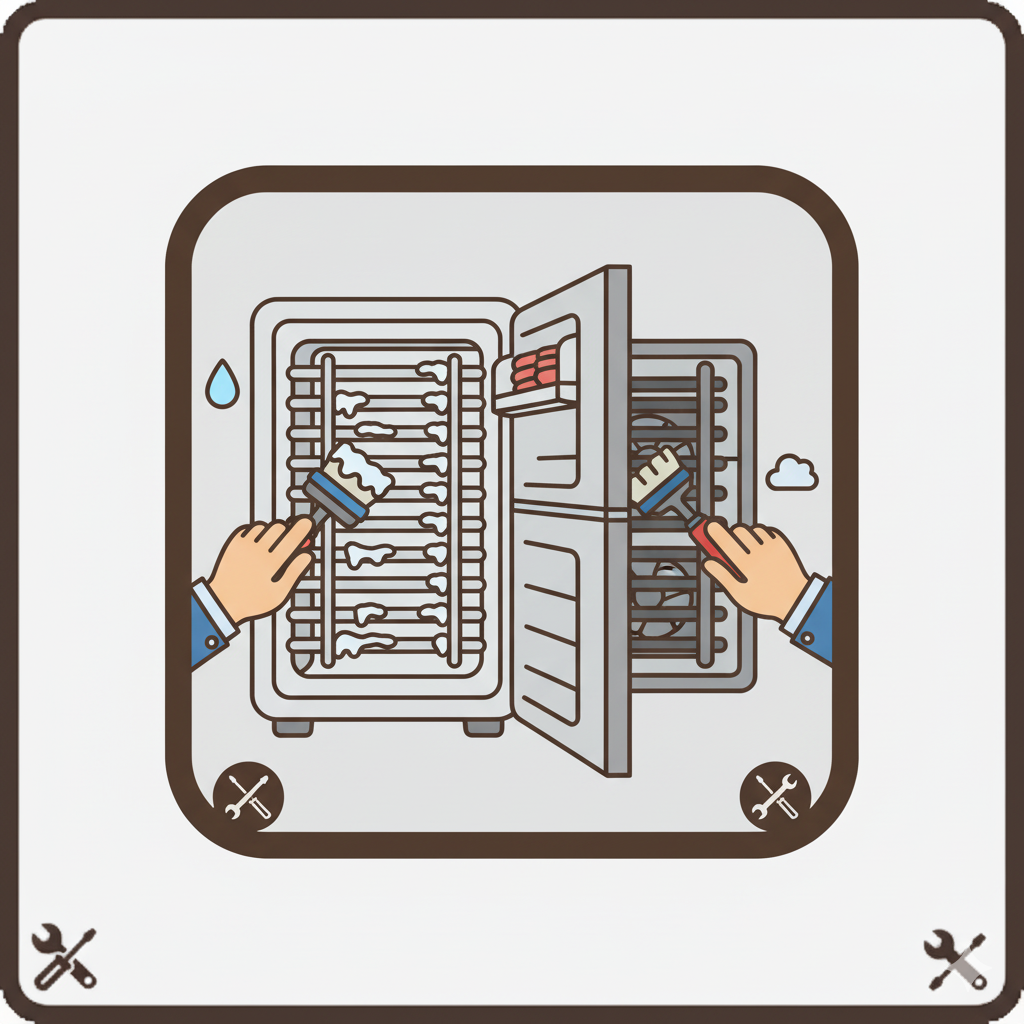
They have great service They fix my walking refrigerator They got here on time and it worked great after the service they did to my restaurant refrigerator I recommend them to friends that has restaurants

Pavel was called on an emergency service on a Saturday morning and came out to fix a walk-in freezer that was recently installed at our restaurant. The freezer was icing over and the temperature was rising inside. Since this could not wait, he came out and identified the issue and fixed it properly. On that same night, he even came back to ensure the unit was working properly and holding deep-freezer temperatures. Pavel went above and beyond for our restaurant and we are very happy with his service. Our restaurant recommends him!

Our bar cooler wasn’t keeping temp and the guys from Pavel Refrigerant Services figured it out right away.
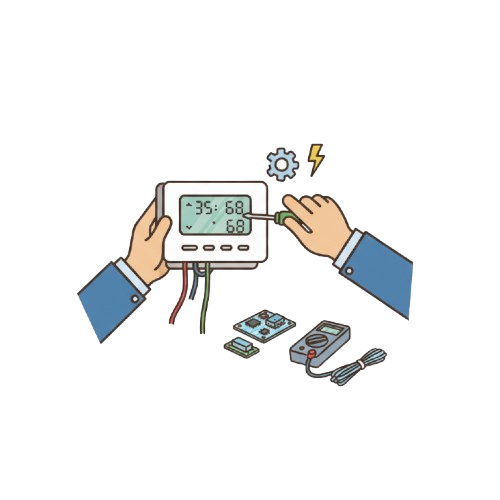
It turned out to be a thermostat issue which they repaired on the spot.
Quick service and solid work all around.

Had an issue with our commercial refrigeration system and these guys fixed it fast. Their quick service and great communication made a stressful situation super easy. Definitely sticking with them for future maintenance.

Had an issue with our commercial refrigeration system and these guys fixed it fast. Their quick service and great communication made a stressful situation super easy. Definitely sticking with them for future maintenance.

Got a refrigerant leak detected and repaired by Pavel’s team. They found the issue fast and made sure there were no other hidden problems. The service was smooth and the price made sense.

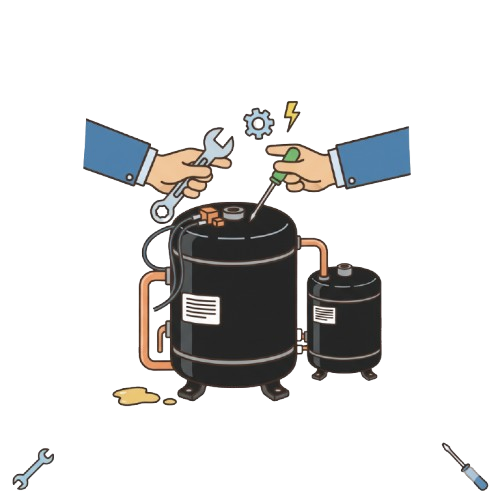
Our warehouse cooler needed compressor repair and Pavel’s crew handled it like pros. They showed up with all the appropriate equipment and didn’t waste any time. The pricing was fair and the system has been running flawlessly since.
People Also Ask
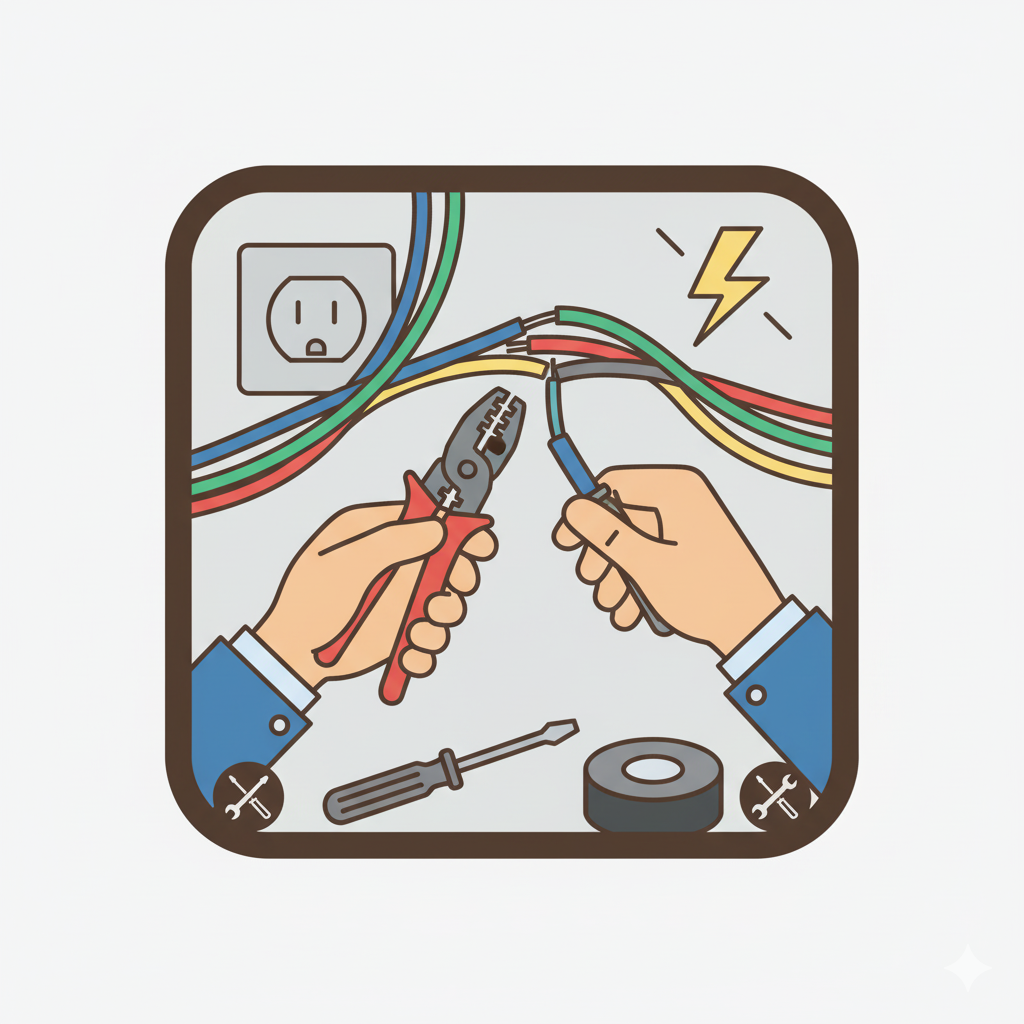
For thermostat issues, you can call a licensed HVAC technician or an electrician, depending on the problem. HVAC professionals are best for problems related to heating and cooling system integration, calibration, and replacement of HVAC-connected thermostats. For wiring, electrical faults, or installing a new thermostat, a qualified electrician may be needed. Always verify the service provider is licensed, insured, and has good reviews. For programmable or smart thermostat installations, many HVAC companies offer specific services. If the thermostat is under warranty, contact the manufacturer first, as they may provide authorized repair services or troubleshooting steps that could resolve the issue without a service call.
The cost to fix a residential thermostat typically ranges from $100 to $300, including parts and labor. A simple replacement of a basic model with minimal wiring might be at the lower end. If the issue involves complex diagnostics, upgrading to a programmable or smart thermostat, or requires running new wiring, costs can reach $300 or more. The service call fee itself often starts around $75 to $100. For HVAC professionals, the primary factors are the thermostat model and the time required for safe installation and system calibration. It is always recommended to hire a licensed technician to ensure correct setup and avoid potential damage to your heating and cooling equipment.
Common thermostat issues often stem from power, calibration, or component failures. A lack of power, due to tripped breakers, blown fuses, or dead batteries in wireless models, is a frequent culprit. Incorrect calibration can cause the system to cycle erratically or not maintain the set temperature, often fixed by a simple recalibration. Dirt and dust accumulation inside the unit can interfere with its internal components and sensors. Other problems include faulty wiring connections, a malfunctioning temperature sensor, or the thermostat being placed in a poor location (e.g., in direct sunlight or near a heat vent), which causes inaccurate readings. For programmable or smart thermostats, software glitches or incorrect programming can also lead to performance issues.
Replacing a thermostat often involves working with low-voltage wiring from your HVAC system, which many homeowners can handle themselves after turning off the power. However, hiring a licensed electrician or HVAC technician is strongly recommended for several key reasons. They ensure the new thermostat is compatible with your specific heating and cooling system, which can involve complex wiring for heat pumps or multi-stage systems. A professional will correctly configure settings for optimal efficiency and safety, preventing potential damage to expensive HVAC equipment. For installations requiring a new high-voltage line or if you are unsure about the wiring, a professional is essential to avoid electrical hazards and ensure compliance with local codes.