

Had an industrial cooler in our storage area start warming up and we were losing product fast. Their technician returned my call super quick and was already on the way. Skilled technicians for real, they had it repaired and stable again in no time.


Pavel has been incredible. Very attentive. Does quality work stands by his work and checks up on it? He has been a lifesaver this spring

I used this company on numerous occasions. He comes out quick and fix the job the same day. I highly recommend this company

Fast, reliable, and professional! Explained the issue and was upfront about the cost. Followed up to confirm the freezer was working properly.

We’ve been using them for regular commercial refrigeration maintenance for over a year now. The techs are always professional and never leave a mess behind. It’s refreshing to work with people who take pride in their work.

Our walk in cooler door wasn’t closing right, and they replaced the gasket perfectly. Now it seals completely, and the temperature stays steady again. Great communication and solid results every time.

Our walk in cooler door wasn’t closing right, and they replaced the gasket perfectly. Now it seals completely, and the temperature stays steady again. Great communication and solid results every time. Thank you.

Honestly just a solid experience all around. My commercial refrigeration issue got handled fast and they didn’t leave until everything was fully stable. I’ll definitely call them again if need be.


The team was knowledgeable, friendly, and explained the repair process clearly. They completed the work efficiently and made sure everything was running smoothly before leaving. Great customer service and fair pricing.



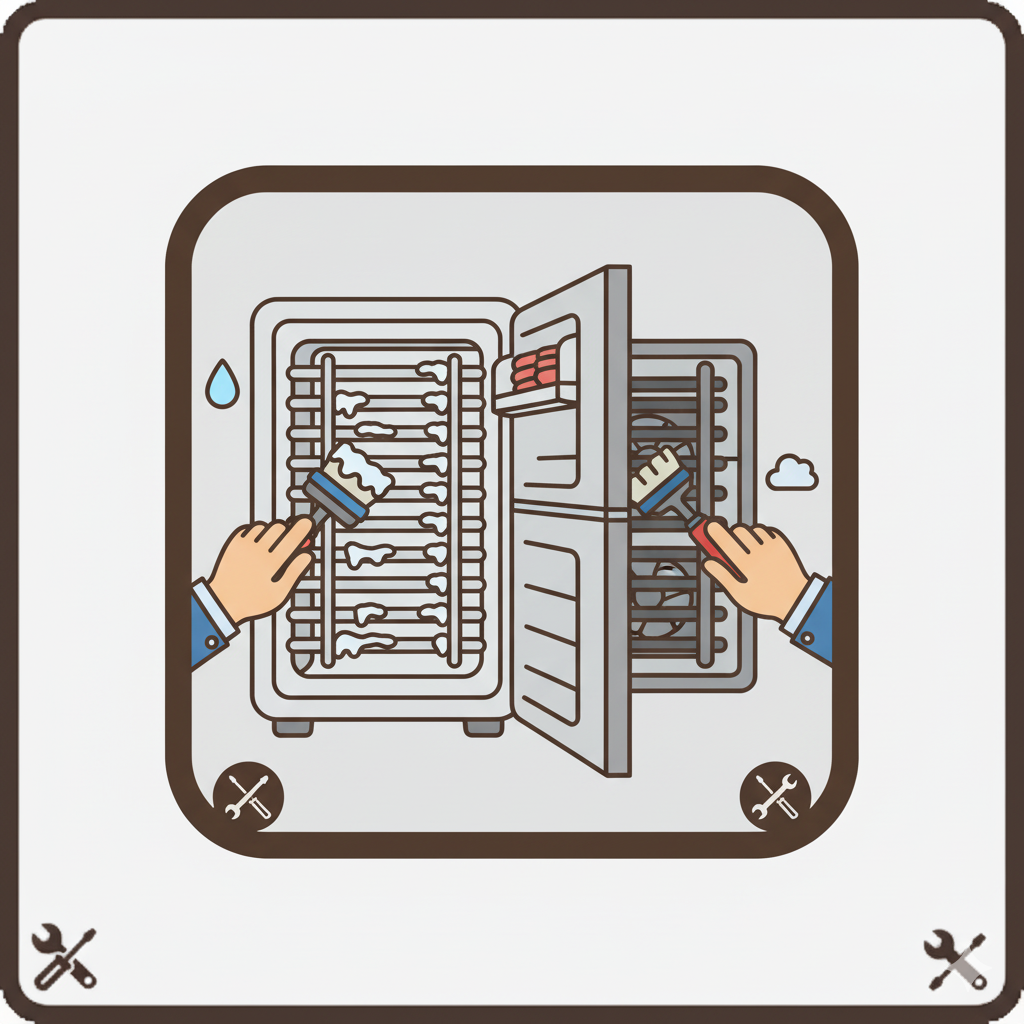
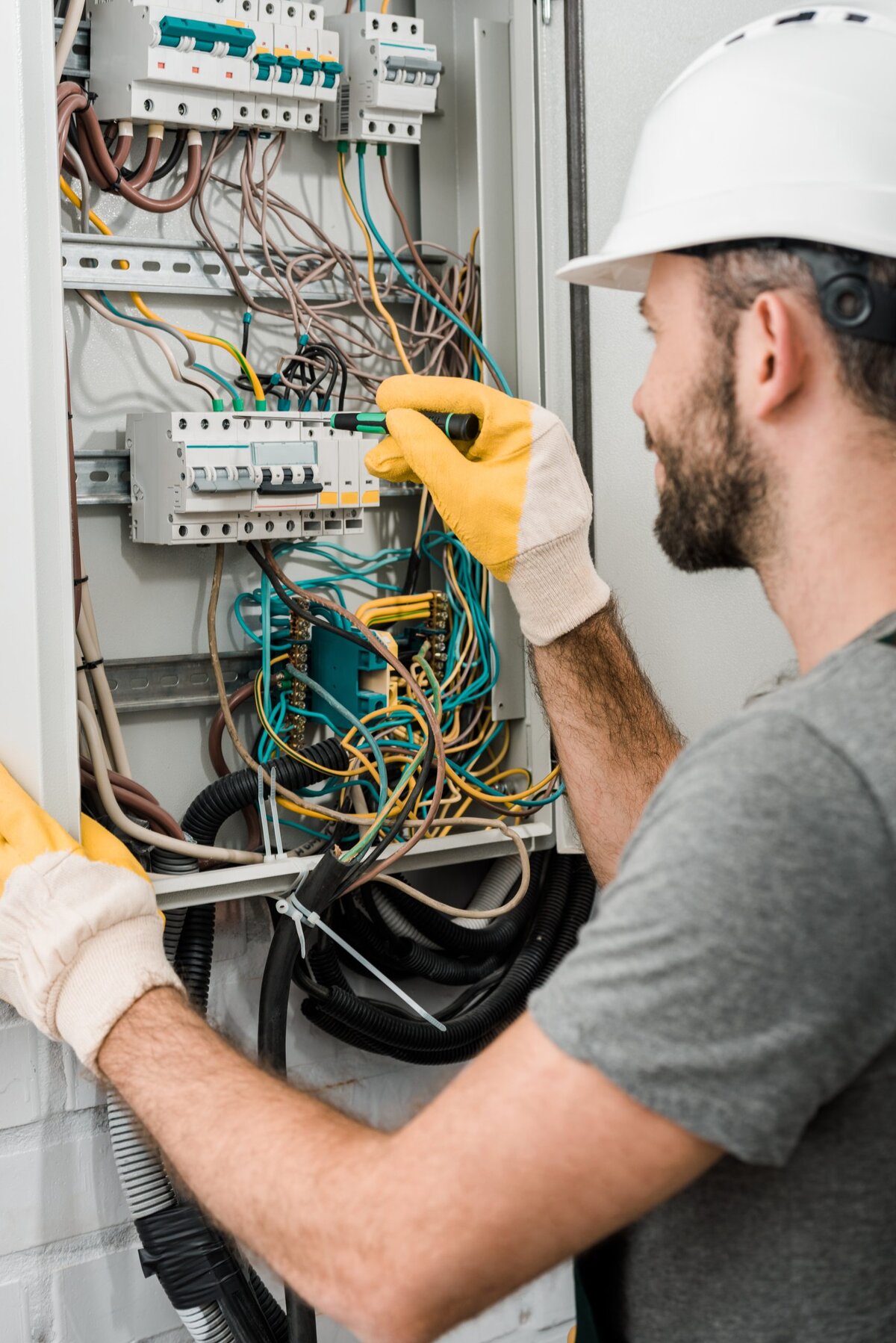
Related Articles
People Also Ask
The average lifespan of a commercial refrigerator is typically between 10 and 15 years, though this depends heavily on usage patterns and maintenance quality. A unit in a high-volume kitchen may last closer to 10 years, while a well-maintained unit in a lower-demand setting can reach 15 years or more. Key factors that shorten lifespan include poor airflow, dirty condenser coils, and frequent door openings. To maximize longevity, regular professional inspections are essential. For specific guidance on extending equipment life, Pavel Refrigerant Services recommends reviewing our internal article Commercial Refrigeration Maintenance, which outlines best practices for upkeep and common failure points.
For professional repairmen in the Washington D.C. and Silver Spring area, reliability and serviceability are key. Many technicians recommend brands like Whirlpool and GE for their straightforward design and readily available parts. These brands are often easier to repair, which can save you money on labor costs. However, at Pavel Refrigerant Services, we emphasize that the best brand for you depends on your specific needs and budget. We always advise consulting with a local professional who can assess your home and usage patterns before making a purchase.
The 50/50 rule is a guideline used in the commercial refrigeration industry to determine if a repair is worthwhile. It states that if the estimated cost of a repair exceeds 50 percent of the cost to replace the appliance with a new, comparable model, it is generally more economical to replace the unit. This rule helps business owners avoid sinking excessive money into aging equipment. However, factors like the unit's age, energy efficiency, and the availability of parts also play a critical role. At Pavel Refrigerant Services, we always evaluate each situation individually, as a simple percentage does not account for sudden compressor failures or seasonal downtime risks.
Two fundamental problems in refrigeration systems are refrigerant leaks and compressor failure. A leak reduces the system's cooling capacity, leading to inefficient operation and potential environmental harm. Compressor failure, often caused by electrical issues or lack of lubrication, can halt cooling entirely. For critical facilities, such as data centers in the DMV area, these issues pose significant operational risks. At Pavel Refrigerant Services, we emphasize that proactive maintenance is key to avoiding these failures. For a deeper look at how these problems impact high-stakes environments, refer to our internal article Why Arlington Data Centers Can’t Afford Refrigeration Downtime.