

Pavel has been incredible. Very attentive. Does quality work stands by his work and checks up on it? He has been a lifesaver this spring


I used this company on numerous occasions. He comes out quick and fix the job the same day. I highly recommend this company

Fast, reliable, and professional! Explained the issue and was upfront about the cost. Followed up to confirm the freezer was working properly.

We’ve been using them for regular commercial refrigeration maintenance for over a year now. The techs are always professional and never leave a mess behind. It’s refreshing to work with people who take pride in their work.

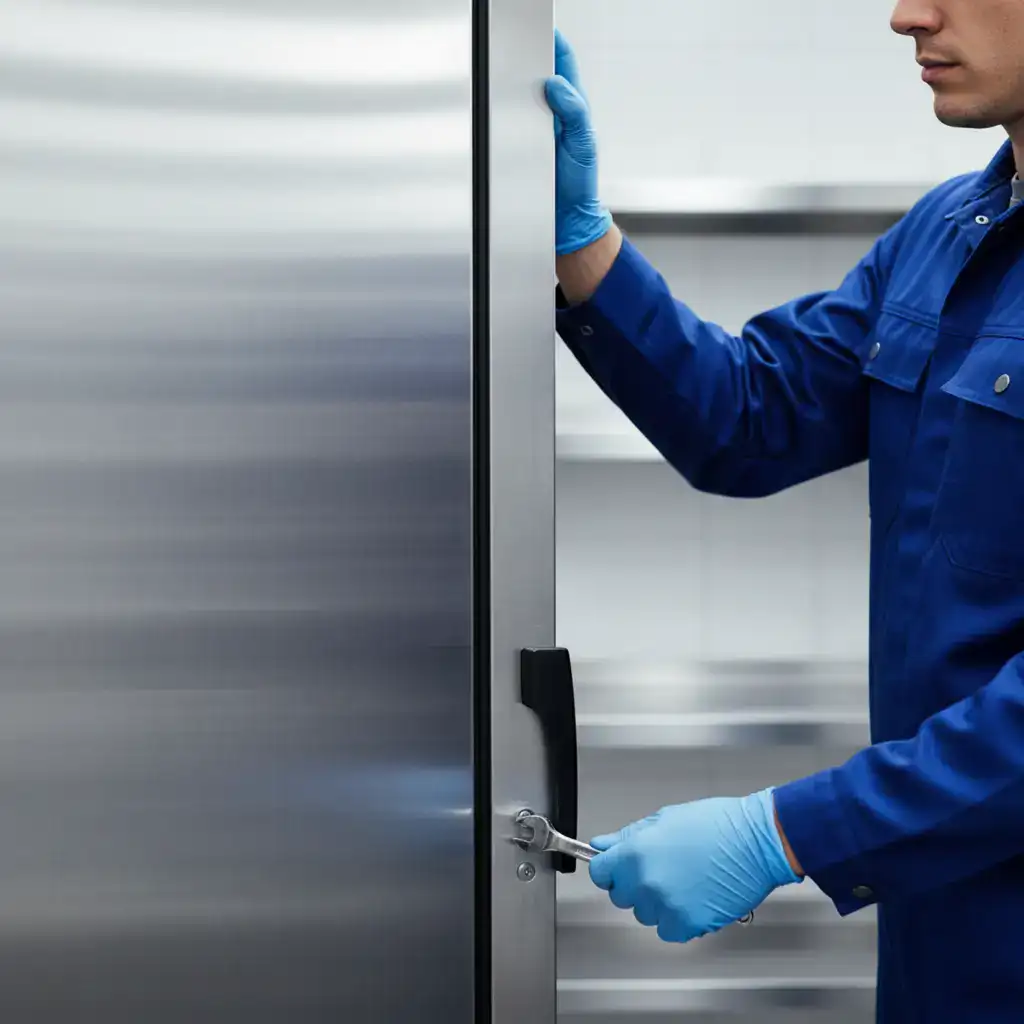
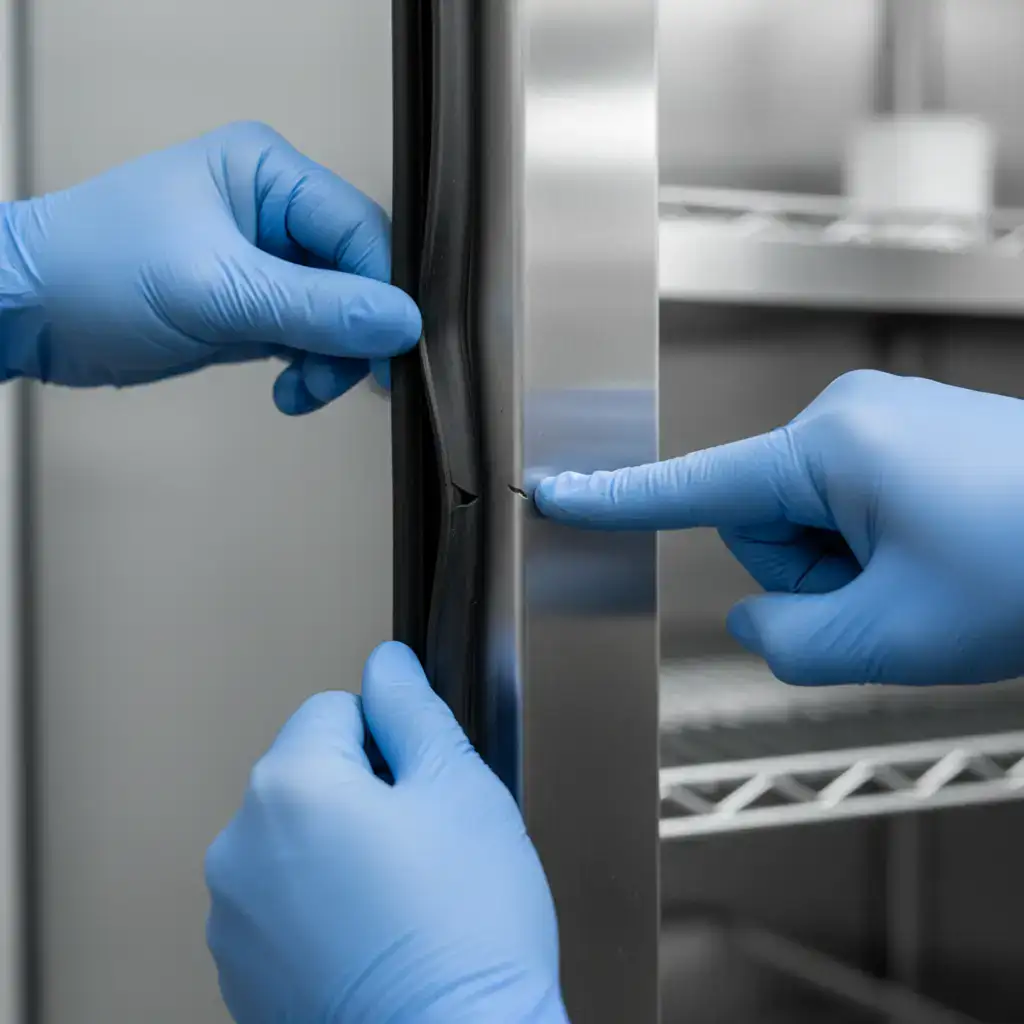
Our walk in cooler door wasn’t closing right, and they replaced the gasket perfectly. Now it seals completely, and the temperature stays steady again. Great communication and solid results every time.

Our walk in cooler door wasn’t closing right, and they replaced the gasket perfectly. Now it seals completely, and the temperature stays steady again. Great communication and solid results every time. Thank you.

Honestly just a solid experience all around. My commercial refrigeration issue got handled fast and they didn’t leave until everything was fully stable. I’ll definitely call them again if need be.


The team was knowledgeable, friendly, and explained the repair process clearly. They completed the work efficiently and made sure everything was running smoothly before leaving. Great customer service and fair pricing.

Last minute issue with my fridge in our store . He was responsive, showed up on time, diagnosed and made the repairs . Good service . You pay going rates . I had emergency service




People Also Ask
The $5,000 rule is not a formal legal statute but a common industry threshold used by HVAC professionals to manage customer expectations. It generally refers to the point at which a repair cost approaches or exceeds 50% of the replacement cost for a system. For example, if a compressor replacement on a 10-year-old unit costs $4,500 and a new system is $9,000, many technicians advise replacement rather than repair. This guideline helps homeowners avoid investing heavily in aging equipment that may soon fail again. At Pavel Refrigerant Services, we apply this principle to help clients in Washington D.C. and Silver Spring make cost-effective decisions about their cooling and heating systems.
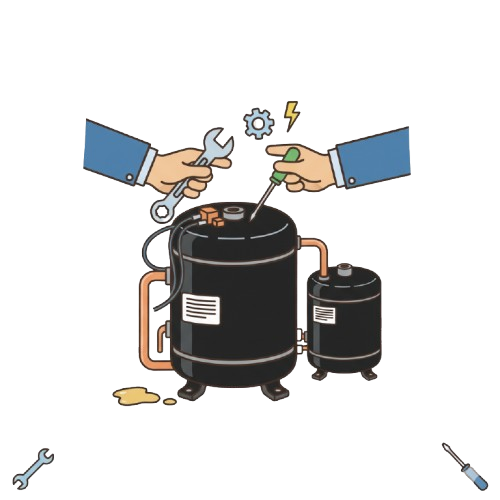
The most common part to fail on an HVAC system is the capacitor. Capacitors store electrical energy to help start the compressor and fan motors. Over time, heat and voltage fluctuations cause them to weaken, leading to symptoms like the system humming but not starting, or the fan running slowly. Another frequent failure is the contactor, which can become pitted or stuck due to electrical arcing. For homeowners in Washington D.C. and Silver Spring, regular maintenance can catch these issues early. At Pavel Refrigerant Services, we recommend annual inspections to test capacitors and contactors, as these simple components are often the root cause of unexpected breakdowns. Replacing a failing capacitor promptly can prevent further damage to the compressor.
For most homes in the Washington D.C. and Silver Spring area, running the air conditioner is typically cheaper than running the heater. This is because electric heat pumps and gas furnaces consume more energy to generate heat than an AC unit uses to remove heat. However, the exact cost depends on your specific system. A standard electric furnace can be very expensive to operate, while a high-efficiency gas furnace may be more economical depending on local utility rates. To determine your personal cost, check your system's SEER rating for cooling and AFUE rating for heating. Pavel Refrigerant Services recommends scheduling a seasonal tune-up to ensure both your AC and heater are running at peak efficiency, which helps lower your monthly bills regardless of the season.