

We can't thank him enough for the amazing service he provided. Our walk-in cooler broke down over the weekend, which could have been a disaster for our business, potentially costing us thousands of dollars in spoiled inventory. We called him, not really expecting a quick response given it was the weekend, but he arrived within just two hours of our call.He got straight to work, diagnosed the issue quickly, and had our cooler up and running again in no time. Thanks to his fast response and expert repair, we didn't lose a single item of stock. His dedication and willingness to help on a weekend truly saved our day.
We're incredibly grateful for his professionalism, promptness, and skill. Highly recommend him to anyone in need of reliable, honest, and fast service!


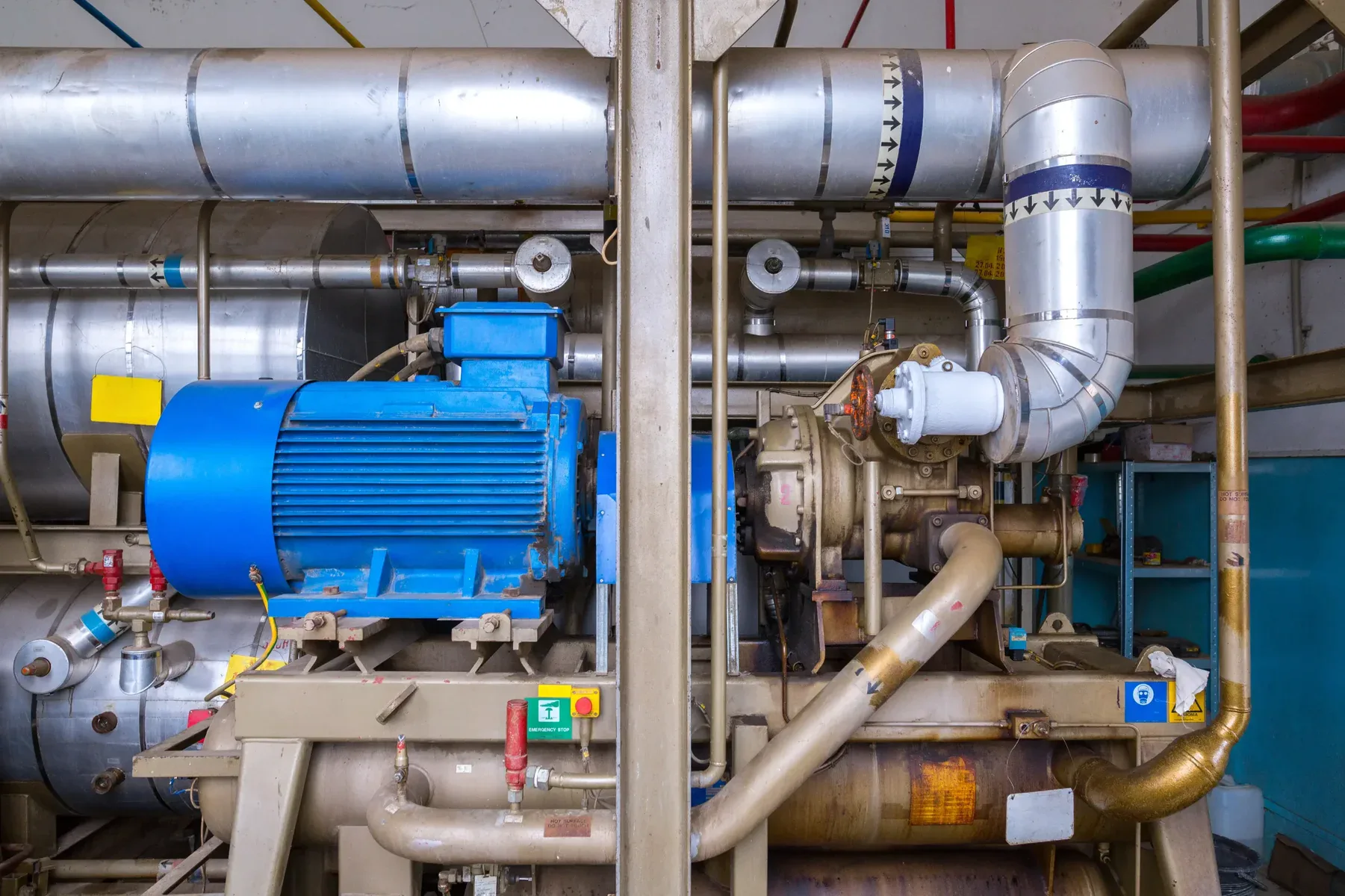
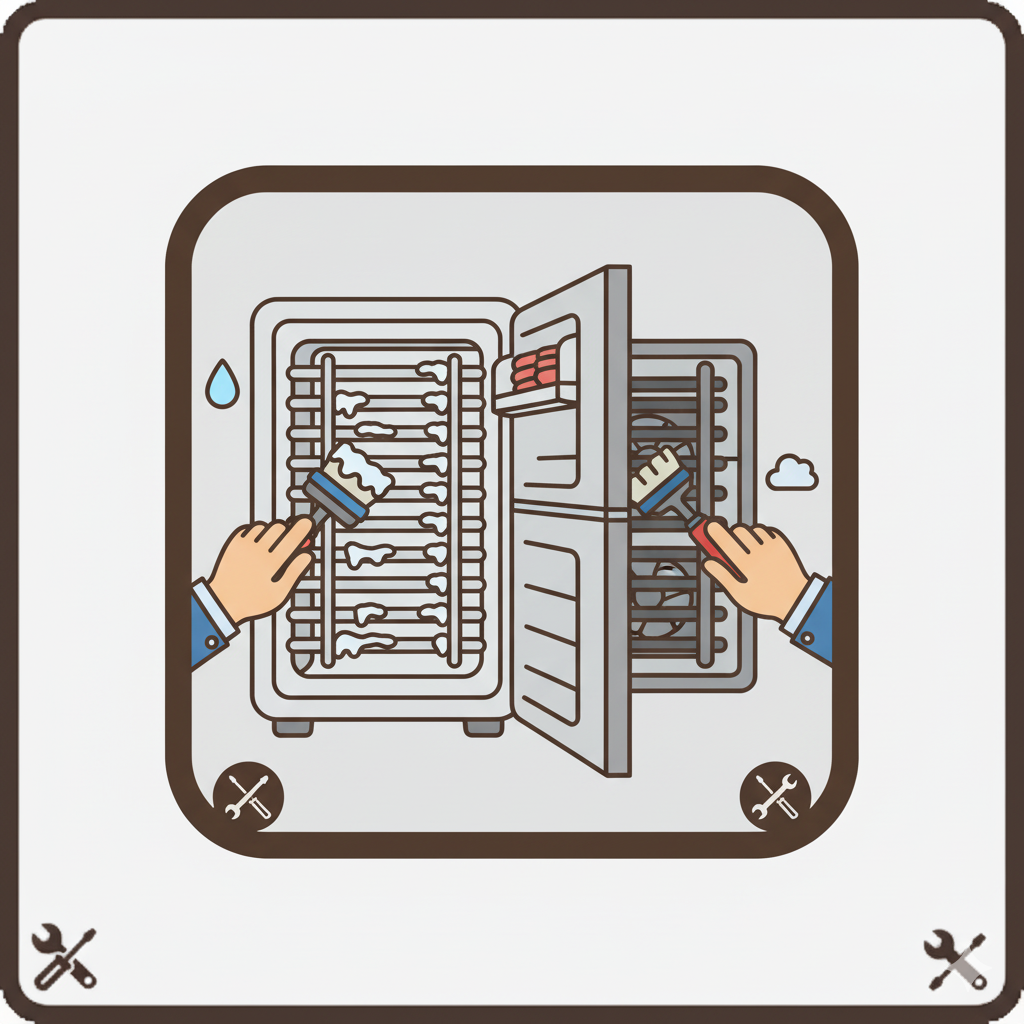
0Our factory’s industrial refrigeration system needed maintenance and Pavel’s technicians handled it efficiently. They checked every part, cleaned the coils, and made sure everything was optimized. Feels good to work with people who take pride in what they do.

The walk-in cooler at our deli started acting up and we were worried about food safety. The tech arrived fast, fixed the issue properly, and explained what caused it so we can prevent it in the future. Great work.

Amazing experience with Pavel Refrigerant Services! Pavel doesn't just solve the problem—he takes the time to coach you through the entire process and makes sure you understand exactly what you're paying for. His professionalism, knowledge, and transparency are truly appreciated. Hands down the best service I've received. Highly recommend!

I have used Pavel refrigerant services many times. They came on time, service was very professional and the prices were good and fare I highly recommend this company..

Our cafe’s display case fridge went down during peak hours. They prioritized the call and had it running smoothly again quickly. The team was courteous and left the area spotless
I have used Pavel refrigerant services many times. They came on time, service was very professional and the prices were good and fare I highly recommend this company.

Had an issue with our large commercial refrigerator not maintaining consistent temps. The repair was done thoroughly and they tested it multiple times before leaving. We’ve had no problems since.

Had an industrial cooler in our storage area start warming up and we were losing product fast. Their technician returned my call super quick and was already on the way. Skilled technicians for real, they had it repaired and stable again in no time.

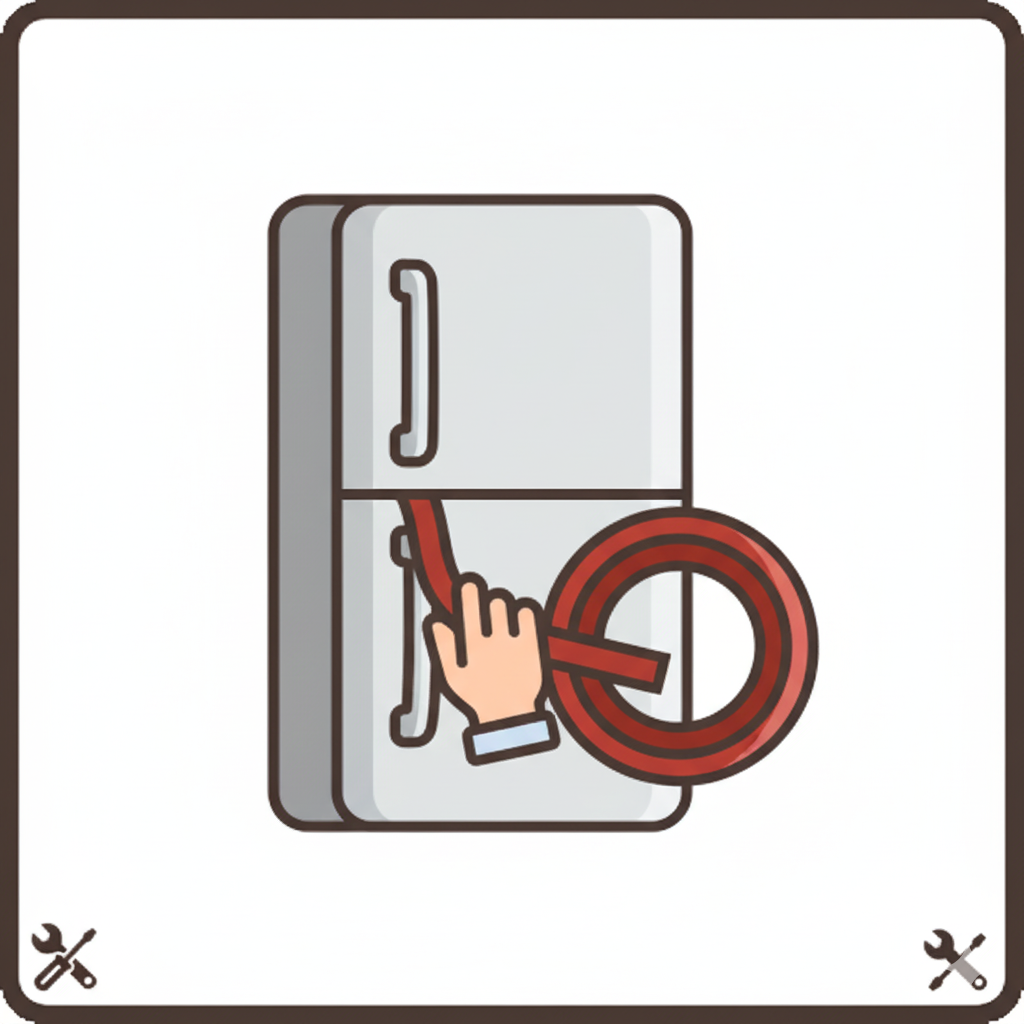
Our walk in cooler door wasn’t closing right, and they replaced the gasket perfectly. Now it seals completely, and the temperature stays steady again. Great communication and solid results every time.





Related Articles
People Also Ask
The $5000 rule is a guideline used in the HVAC industry to help homeowners decide whether to repair or replace an air conditioning system. The rule suggests that if the cost of a repair, multiplied by the age of the unit in years, exceeds $5000, replacement is often the more economical choice. For example, a 10-year-old system needing a $600 repair would result in a product of $6000, indicating replacement is likely better. This rule accounts for diminishing returns on older equipment. For more detailed guidance, please review our internal article titled What Is The $5000 Rule For AC?. At Pavel Refrigerant Services, we always recommend a professional evaluation to consider efficiency, refrigerant type, and overall system condition before making a final decision.
While a leaking evaporator coil can sometimes be repaired with epoxy or brazing, this is typically only a temporary solution. The high operating pressures and constant thermal expansion in modern systems often cause the repair to fail, leading to a repeat refrigerant leak. For long-term reliability and efficiency, the industry standard is to replace the entire coil. A new coil ensures the system meets current efficiency standards and prevents future leaks from micro-fractures in the aged metal. For a detailed breakdown of repair versus replacement options, please refer to our internal article Evaporator and Condenser Coil Repairs. Pavel Refrigerant Services always recommends a full replacement for lasting performance and to protect your compressor from damage.
The cost to replace an evaporator coil in a home AC unit typically ranges from $1,200 to $2,500, depending on the system size and refrigerant type. Labor and material costs vary, but a replacement is often necessary when the coil develops a leak or becomes corroded. For a detailed breakdown of repair versus replacement options, please refer to our internal article Evaporator and Condenser Coil Repairs. At Pavel Refrigerant Services, we always recommend a professional inspection to confirm whether a full coil replacement is needed or if a targeted repair is possible.
The lifespan of an AC evaporator coil typically ranges from 10 to 15 years, though this depends heavily on usage, maintenance, and environmental factors. A coil that experiences frequent temperature swings or is exposed to corrosive elements may fail sooner. For professional advice on identifying potential issues before they lead to failure, we recommend reviewing our internal article titled Sealed System Leak Detection: Early Warning Signs. This resource covers the early indicators of a failing coil. At Pavel Refrigerant Services, we emphasize that regular inspections and cleaning are the most effective ways to maximize the operational life of your evaporator coil.