

Pavel has been incredible. Very attentive. Does quality work stands by his work and checks up on it? He has been a lifesaver this spring


I used this company on numerous occasions. He comes out quick and fix the job the same day. I highly recommend this company

Fast, reliable, and professional! Explained the issue and was upfront about the cost. Followed up to confirm the freezer was working properly.

We’ve been using them for regular commercial refrigeration maintenance for over a year now. The techs are always professional and never leave a mess behind. It’s refreshing to work with people who take pride in their work.

Our walk in cooler door wasn’t closing right, and they replaced the gasket perfectly. Now it seals completely, and the temperature stays steady again. Great communication and solid results every time.

Our walk in cooler door wasn’t closing right, and they replaced the gasket perfectly. Now it seals completely, and the temperature stays steady again. Great communication and solid results every time. Thank you.

Honestly just a solid experience all around. My commercial refrigeration issue got handled fast and they didn’t leave until everything was fully stable. I’ll definitely call them again if need be.


The team was knowledgeable, friendly, and explained the repair process clearly. They completed the work efficiently and made sure everything was running smoothly before leaving. Great customer service and fair pricing.

Last minute issue with my fridge in our store . He was responsive, showed up on time, diagnosed and made the repairs . Good service . You pay going rates . I had emergency service




People Also Ask
Labor costs for replacing an evaporator coil typically range from $400 to $1,000, depending on system accessibility and local rates in Washington D.C. and Silver Spring. The complexity of the job, including refrigerant handling and brazing, drives the labor price. For a detailed breakdown of the repair process and cost factors, please refer to our internal article Evaporator and Condenser Coil Repairs. At Pavel Refrigerant Services, we always recommend getting a professional assessment, as hidden issues like duct modifications or electrical upgrades can affect the final labor quote.
The cost to repair a condenser coil varies widely based on the extent of the damage, refrigerant type, and labor rates in the DMV area. Minor repairs like patching a small leak might cost a few hundred dollars, but a severely damaged coil often requires full replacement, which can run between $1,200 and $2,500 or more. Delaying maintenance is a primary cause of coil failure. For this reason, we strongly recommend reviewing our internal article titled Condenser Coil Cleaning: Why It Can’t Wait to understand how buildup leads to corrosion and inefficiency. At Pavel Refrigerant Services, we always provide a detailed inspection before quoting any repair, ensuring you understand the condition of your system.
The $5,000 rule is a common industry guideline related to the U.S. Environmental Protection Agency's (EPA) Clean Air Act regulations. It specifically applies to technicians who handle refrigerants. Under this rule, if a technician knowingly releases a refrigerant during the repair, maintenance, service, or disposal of air-conditioning or refrigeration equipment, the EPA can impose a fine of up to $5,000 per violation per day. This penalty is for intentional venting or improper recovery of refrigerants, which are ozone-depleting substances or potent greenhouse gases. To avoid such fines, technicians must always use certified recovery equipment and follow proper procedures. At Pavel Refrigerant Services, we emphasize strict adherence to these federal standards to ensure both legal compliance and environmental responsibility.
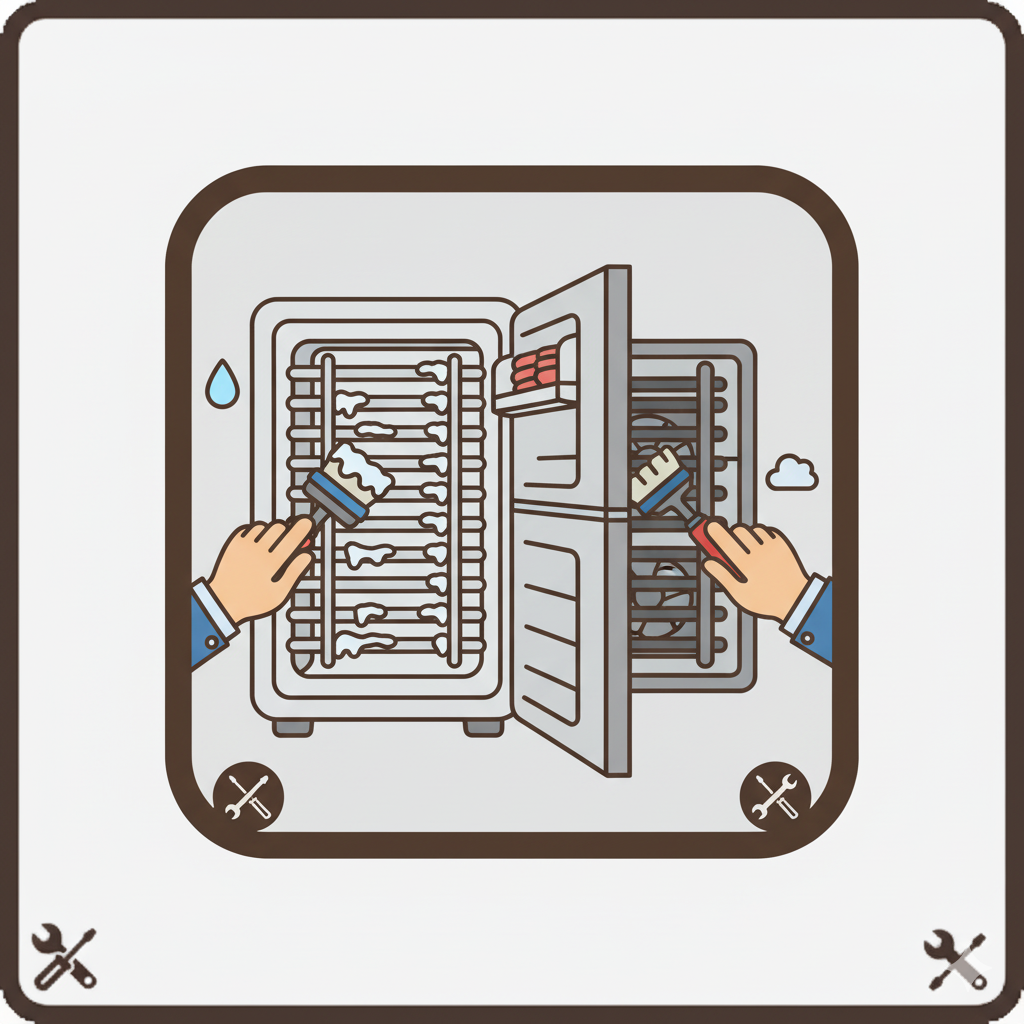
For commercial refrigeration systems in the Washington D.C. and Silver Spring area, the cost of an evaporator coil cleaning typically ranges from $250 to $600 per unit. This price depends heavily on the coil's accessibility, the level of contamination, and the type of system. A standard cleaning for a reach-in cooler or a small walk-in freezer will be on the lower end, while large, heavily soiled coils in a supermarket or restaurant kitchen can cost significantly more. Always ensure the service includes a full inspection of the drain pan and condensate line. For a detailed breakdown of common issues and hidden expenses, we recommend reading our internal article titled Costly Refrigeration Mistakes DC Supermarkets Should Avoid. At Pavel Refrigerant Services, we emphasize that a clean coil is critical for energy efficiency and preventing compressor failure.