

Pavel has been incredible. Very attentive. Does quality work stands by his work and checks up on it? He has been a lifesaver this spring


I used this company on numerous occasions. He comes out quick and fix the job the same day. I highly recommend this company

Fast, reliable, and professional! Explained the issue and was upfront about the cost. Followed up to confirm the freezer was working properly.

We’ve been using them for regular commercial refrigeration maintenance for over a year now. The techs are always professional and never leave a mess behind. It’s refreshing to work with people who take pride in their work.

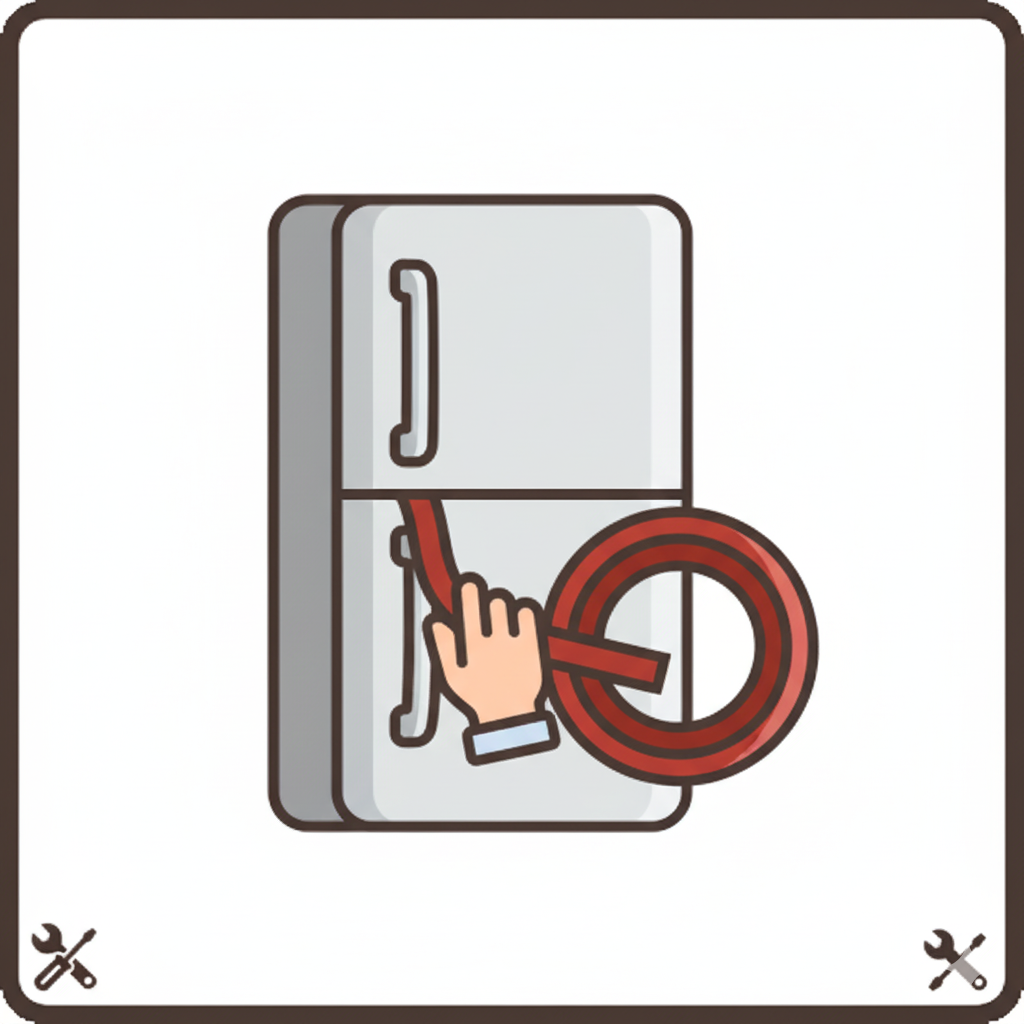
Our walk in cooler door wasn’t closing right, and they replaced the gasket perfectly. Now it seals completely, and the temperature stays steady again. Great communication and solid results every time.

Our walk in cooler door wasn’t closing right, and they replaced the gasket perfectly. Now it seals completely, and the temperature stays steady again. Great communication and solid results every time. Thank you.

Honestly just a solid experience all around. My commercial refrigeration issue got handled fast and they didn’t leave until everything was fully stable. I’ll definitely call them again if need be.


The team was knowledgeable, friendly, and explained the repair process clearly. They completed the work efficiently and made sure everything was running smoothly before leaving. Great customer service and fair pricing.

Last minute issue with my fridge in our store . He was responsive, showed up on time, diagnosed and made the repairs . Good service . You pay going rates . I had emergency service



Related Articles
People Also Ask
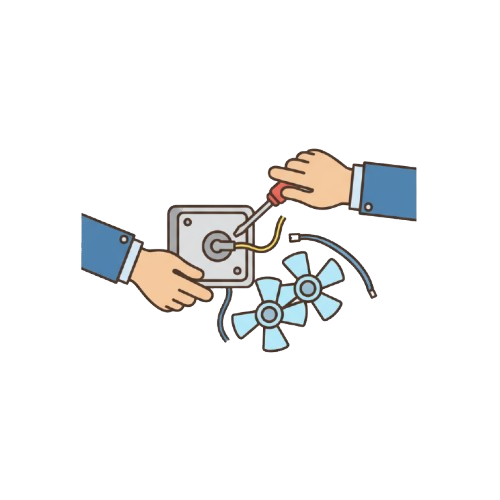
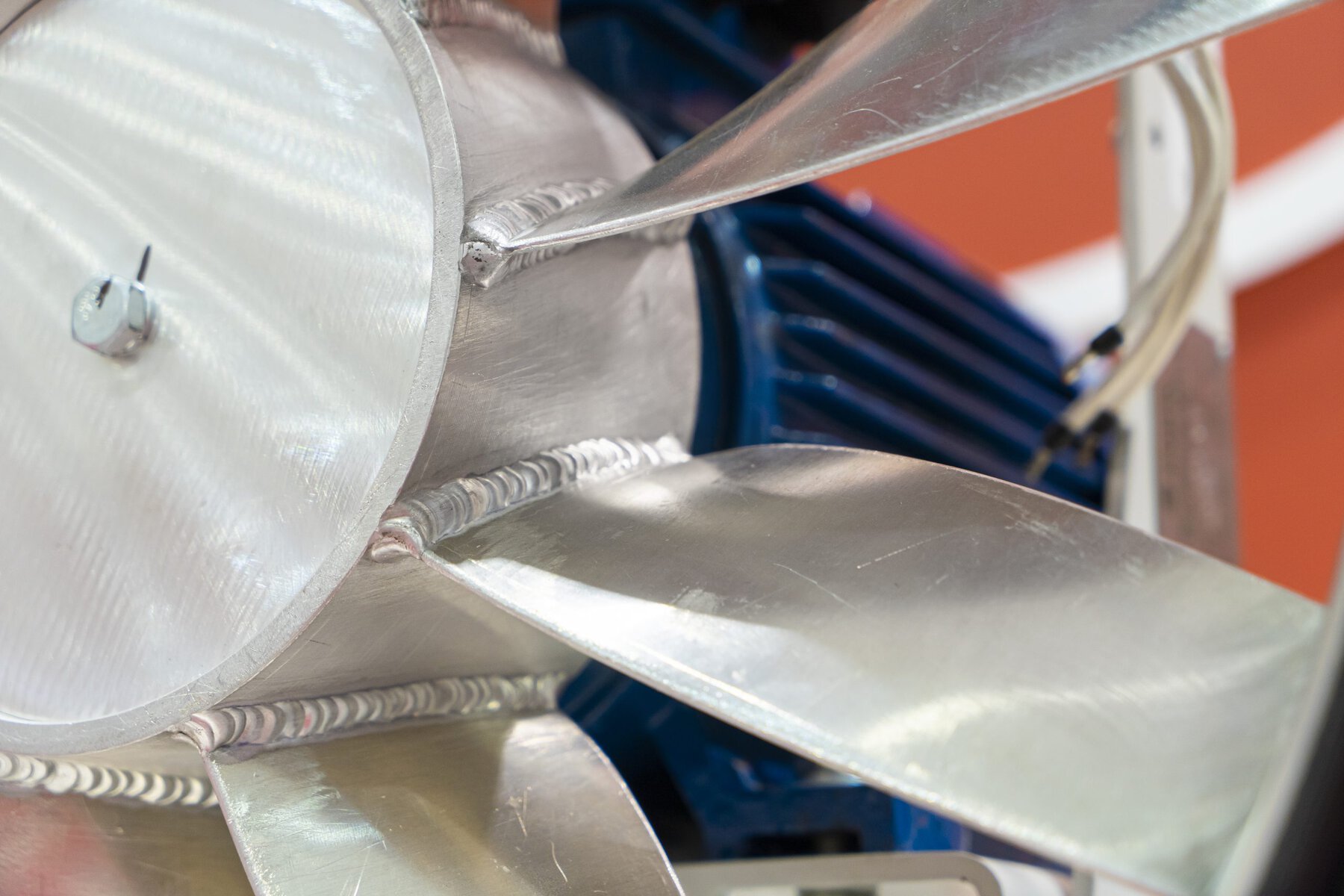
Yes, repairing a fan motor is often worth it, especially if the motor itself is still functional and the issue is with a worn capacitor, bad wiring, or a seized bearing. In many cases, a simple repair can restore full operation for a fraction of the cost of a full replacement. However, if the motor windings are burnt out or the unit is very old, replacement may be more cost-effective. For professional guidance, Pavel Refrigerant Services recommends reviewing our internal article titled Fan Motor and Blade Repairs to understand common failure points and repair options. Always weigh the repair cost against the age and efficiency of the equipment to make the best decision for your system.
The most common reason for an electric fan not starting is a failed start capacitor. This component provides the initial jolt of electricity needed to spin the motor. Over time, capacitors lose their charge or become weak, preventing the fan from starting even though it may hum. Another frequent cause is a seized motor bearing, which creates too much friction for the motor to overcome. For a thorough diagnosis and repair, our internal article Fan Motor and Blade Repairs covers both fan motor and blade repairs in detail. If you are in the Washington D.C. or Silver Spring area, Pavel Refrigerant Services can inspect the capacitor and bearings to get your fan running again.
Whether a ceiling fan is worth repairing depends on the cost of the fix versus the fan's age and value. For a basic, low-cost fan, a new motor or part can often exceed the price of a replacement. However, for a high-quality, well-built fan, especially one with a strong motor or unique design, repairing it is usually a smart investment. Common issues like a faulty capacitor, wobbly blades, or a broken pull chain are often inexpensive to fix. If the fan is still under warranty or if you have a model that matches your decor, repairing it is generally recommended. For professional advice on fan repairs in the DMV area, Pavel Refrigerant Services can help assess whether a repair or replacement is the most cost-effective choice for your home.
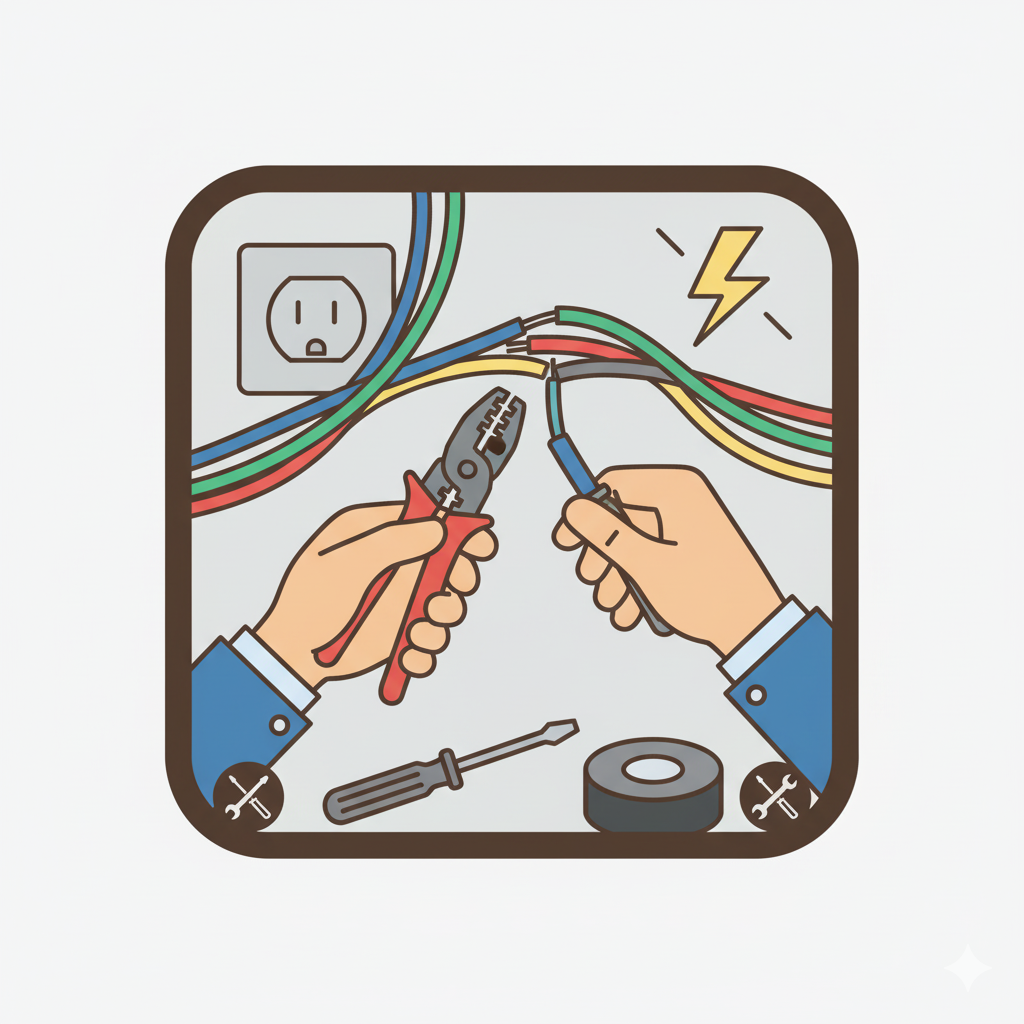
A common problem with electric fans is a failing capacitor, which can cause the fan to run slowly, fail to start, or stop working entirely. The capacitor provides the necessary torque to start the motor and maintain consistent speed. Over time, heat and electrical stress degrade its performance. Another frequent issue is a seized motor bearing, often due to lack of lubrication, leading to humming noises without blade rotation. For commercial refrigeration systems in the DMV area, these fan problems can lead to compressor overheating and product loss. For detailed guidance on avoiding costly mistakes, please refer to our internal article The True Cost Of DIY Repairs For DC Businesses.