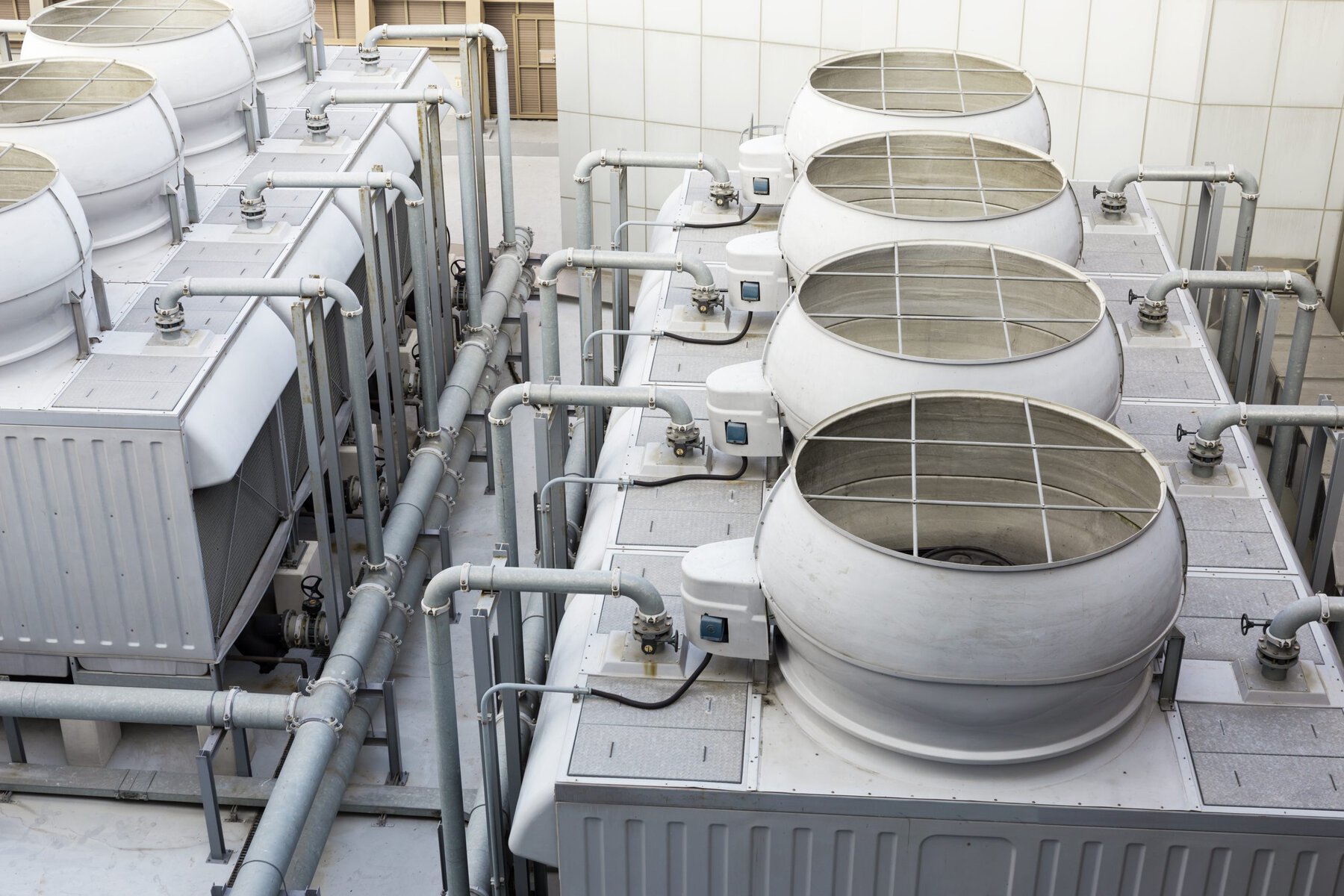
Key Takeaways: In our experience, the single biggest energy drain in most Montgomery County commercial buildings isn’t the flashy equipment—it’s the heating, ventilation, and air conditioning (HVAC) system, often working against an inefficient building envelope. After that, lighting and plug loads are major contributors, but the real story is how our local climate and older building stock create a perfect storm for waste.
So, you’re looking at your utility bill for that office building in Bethesda or that retail space in Rockville and wondering where all the energy—and money—is going. It’s a conversation we have constantly. The short answer is almost always your HVAC system. But that’s like saying “the car” uses the most gas; it’s true, but not helpful unless we talk about why it’s guzzling so much, especially here.
What is the #1 energy consumer in a commercial building?
The heating, ventilation, and air conditioning (HVAC) system is consistently the largest energy end-use in commercial buildings, typically accounting for 35-50% of total consumption. This includes energy for space heating, cooling, and moving air through fans. Its dominance is due to the constant battle to maintain indoor comfort against outdoor temperatures, a process heavily impacted by the building’s insulation, windows, and air tightness.
We see it every day. An aging rooftop unit on a Silver Spring strip mall, straining to cool a space with single-pane windows and poor attic insulation, is essentially trying to fill a bucket with a hole in it. The system runs longer, works harder, and your meter spins faster. It’s the core dynamic.
Table of Contents
The Hidden Culprit: Your Building Envelope
Talking about HVAC without mentioning the building envelope is like blaming your furnace for a drafty house. In Montgomery County, we have a specific challenge: a lot of our commercial building stock isn’t new. Think of those classic 1970s and 80s brick-faced office buildings along the I-270 corridor or older retail centers in Wheaton.
These buildings often have:
- Under-insulated walls and roofs: Heat moves freely in and out.
- Older, leaky windows: You feel the draft in winter, the heat gain in summer. It’s not just discomfort; it’s your HVAC system fighting a visible enemy.
- Unsealed penetrations: Gaps around pipes, conduits, and ductwork let conditioned air escape into plenums or, worse, outside.
The result? Your HVAC system isn’t just maintaining temperature; it’s compensating for constant loss. We’ve been on service calls in downtown Silver Spring where simply adding weatherstripping to a suite entrance door stopped a constant heating complaint. The fix wasn’t the $10,000 boiler repair the owner feared; it was a $200 seal.
The Usual Suspects: Lighting and Plug Loads
After HVAC, lighting is typically the next biggest slice of the pie, especially in spaces that haven’t made the switch to LED. We still walk into back offices and storage areas lit by hot, buzzing T12 fluorescents. The math on LED retrofits is so straightforward now it’s almost not worth debating—the payback period is short. The bigger, sneakier issue is plug loads.
This is everything that gets plugged into an outlet: computers, monitors, servers, kitchen appliances, vending machines, chargers. The modern office is a forest of these devices, and they all generate heat (which your HVAC then has to remove) and draw power, often 24/7. The proliferation of small, always-on network equipment in closets is a particular silent killer we notice.
The Local Climate Multiplier
Our Maryland climate isn’t extreme, but it’s variable. We get humid, sticky summers that make cooling systems work in overdrive to remove moisture, and we get cold snaps in winter that test heating systems. This swing means systems rarely get a break. A unit sized for a July heatwave is overkill for a mild May afternoon, leading to inefficient short-cycling. It’s a tough operating environment that accelerates wear and increases energy use if systems aren’t properly maintained and optimized.
When “Efficiency” Upgrades Can Backfire
Here’s a real-world lesson we’ve learned: tackling these systems in isolation can create new problems. We’ve seen it happen.
- Sealing a building too tightly without considering ventilation can lead to indoor air quality issues—stuffiness, pollutant buildup, moisture problems.
- Installing a super-efficient, high-tech HVAC system on a leaky, poorly insulated building is a waste of capital. You’re putting a Formula 1 engine in a car with flat tires.
- Automating lighting with sensors in a space with inconsistent occupancy patterns can frustrate employees more than it saves money.
The holistic view is everything. You have to consider how systems interact.
A Practical Breakdown of Energy Hogs
This table isn’t about generic percentages; it’s based on what we commonly audit and see in the field across Montgomery County.
| System/Area | Why It’s a Big Consumer Here | Real-World Fix vs. Fantasy Fix |
|---|---|---|
| HVAC (Heating/Cooling) | Fighting heat loss/gain through old envelopes. Short-cycling due to improper sizing. Lack of seasonal maintenance. | Fantasy: Replacing the entire system first. Practical: A professional energy audit to find envelope leaks first. Then, a staged HVAC upgrade if needed. |
| Lighting | Older fluorescent tech in common areas, parking garages, and storage. Lights left on in unoccupied spaces. | Fantasy: A full, building-wide LED swap in one costly project. Practical: Prioritize high-use areas (garages, hallways) and implement behavioral switches (motion sensors in storage). |
| Plug Loads & Office Equipment | “Phantom” loads from devices on standby. Old, inefficient refrigerators in break rooms. Unmanaged server closets. | Fantasy: Mandating everyone unplugs everything nightly. Practical: Install smart power strips in workstations. Create a policy to replace old mini-fridges. Schedule server equipment reviews. |
| Hot Water Systems | Insulated pipes in basements or crawl spaces. Oversized tanks for actual demand. | Fantasy: Installing solar thermal panels on the roof. Practical: Insulating the first 10 feet of pipes from the heater. Installing timers on low-demand applications. |
So, When Is It Time to Call a Pro?
This is the moment of clarity we hope homeowners and property managers reach. You should seriously consider bringing in a professional when:
- Your diagnostic efforts hit a wall: You’ve changed filters, checked thermostats, and the bill is still climbing inexplicably.
- You’re facing a major replacement: If you’re about to spend $15k on a new chiller or boiler, investing $500-$1,000 in a comprehensive energy audit from a local firm like ours in Silver Spring is the best insurance you can buy. It ensures you’re solving the right problem.
- Comfort complaints are widespread: If some zones are freezing while others are sweating, it’s usually a system balancing or ductwork issue that requires tools and training to fix.
- You’re planning a renovation or tenant build-out: This is the golden opportunity to address the envelope and system efficiency before the drywall goes up. It’s infinitely cheaper and more effective.
The goal isn’t to create a zero-energy building overnight—that’s not realistic for most. The goal is to stop the bleeding from the biggest wounds first. Often, that starts with understanding the intimate, frustrating dance between an overworked HVAC system and a building that’s working against it. From the older neighborhoods of Chevy Chase to the modern developments in North Bethesda, that’s the constant. Address that relationship, and everything else—the lighting, the plug loads—becomes a more manageable, and far less costly, conversation.
Related Articles
DC’s New Refrigerant Regulations: What Businesses Must Know
Optimal Thermostat Settings For Energy Savings In Silver Spring Commercial Buildings
Commercial Ice Machine Maintenance: The Complete Guide to Protecting Your Investment, Ensuring Food Safety, and Avoiding Costly Downtime
People Also Ask
In most commercial buildings, the largest energy consumer is the heating, ventilation, and air conditioning (HVAC) system. Specifically, the compressor in a refrigeration or air conditioning unit accounts for the highest electrical load. For businesses in the Washington D.C. and Silver Spring area, ensuring your HVAC and refrigeration equipment is operating efficiently is critical for controlling utility costs. At Pavel Refrigerant Services, we often see that outdated or poorly maintained compressors can double energy usage. Regular maintenance, such as cleaning condenser coils and checking refrigerant levels, helps reduce this strain. Other major consumers include lighting and office equipment, but HVAC typically represents over 40% of a building's total energy consumption.
The biggest energy waste in most office buildings is often the HVAC system, specifically due to poor maintenance and inefficient operation. Leaky ductwork, dirty filters, and outdated thermostats force systems to run longer than necessary, wasting significant power. Additionally, many buildings lack proper zoning, cooling unoccupied areas like conference rooms or storage closets. For businesses in the DMV area, addressing these issues can lead to substantial savings. Pavel Refrigerant Services recommends scheduling regular HVAC tune-ups and installing programmable thermostats to reduce this waste. Simple steps like sealing air leaks and adjusting schedules to match occupancy can cut energy use by up to 30 percent, lowering both costs and environmental impact.
In US homes, heating and cooling systems typically use the most energy, accounting for nearly half of a household's annual utility costs. For commercial businesses, the largest energy consumer is often HVAC (heating, ventilation, and air conditioning) systems, followed closely by lighting and refrigeration equipment. For businesses in the DMV Metro Area, including Washington D.C. and Silver Spring, optimizing these systems is crucial for cost savings. Pavel Refrigerant Services recommends regular maintenance of HVAC and refrigeration units to ensure peak efficiency, as even minor refrigerant leaks can significantly increase energy consumption. Additionally, upgrading to energy-efficient appliances and proper insulation can further reduce energy usage in both residential and commercial settings.
To save energy in commercial buildings, focus on optimizing your HVAC and refrigeration systems, as they account for the largest energy consumption. Regular maintenance, such as cleaning condenser coils and replacing air filters, improves efficiency. Installing programmable thermostats and variable frequency drives can reduce unnecessary usage. Sealing ductwork and improving insulation prevents energy loss. For businesses in the DMV area, Pavel Refrigerant Services recommends scheduling seasonal tune-ups to identify inefficiencies early. Upgrading to energy-efficient lighting and using motion sensors also cuts costs. Implementing a building management system allows for real-time monitoring of energy use. These steps lower utility bills and extend equipment lifespan.
For commercial buildings in Montgomery County, benchmarking energy and water usage is a mandatory requirement under the county's Building Energy Performance Standards. Owners of buildings over 50,000 square feet must report annual data using the EPA's ENERGY STAR Portfolio Manager. This process helps identify efficiency opportunities and ensures compliance with local laws aimed at reducing carbon emissions. Pavel Refrigerant Services advises that proper HVAC and refrigerant management can significantly improve your building's energy score. We recommend scheduling a professional audit to verify system performance and refrigerant charge levels, as these factors directly impact your benchmarking results and overall operational costs.