



We hired them to do a complete kitchen and two bathrooms renovation. They were extremely professional, kept us within budget, and finished early. The communication was excellent; they kept us updated daily, and the entire experience was stress-free. The workmanship is beautiful. Highly recommend this remodeling and construction company.


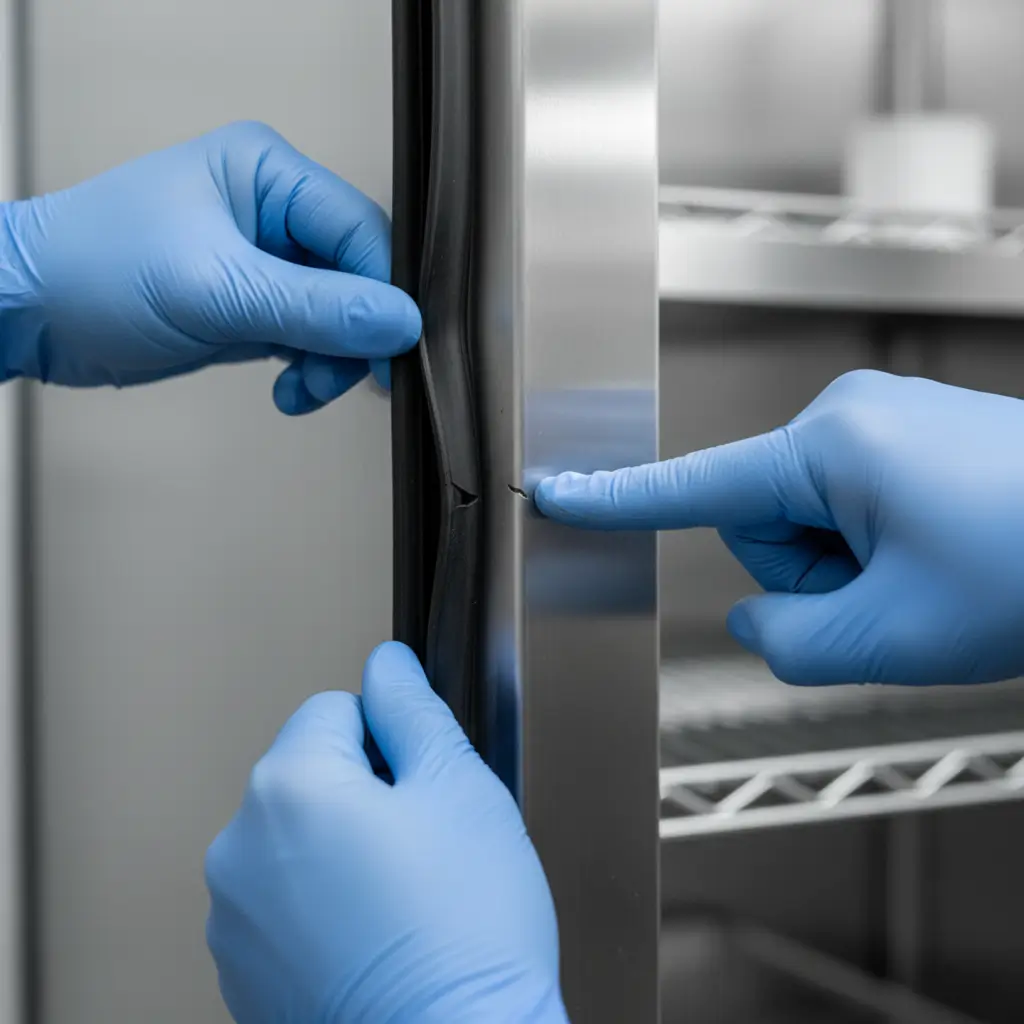
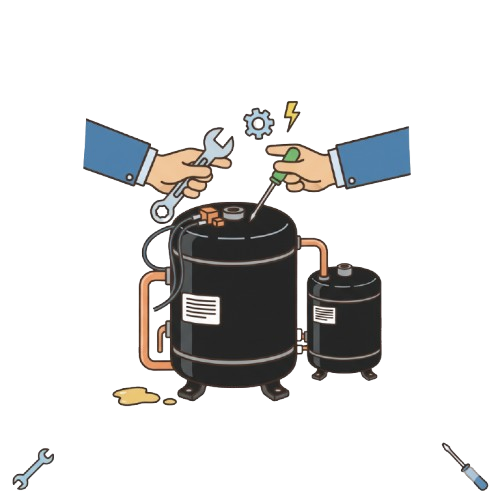
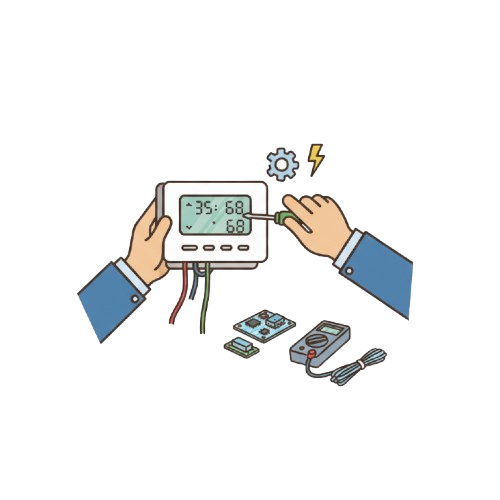
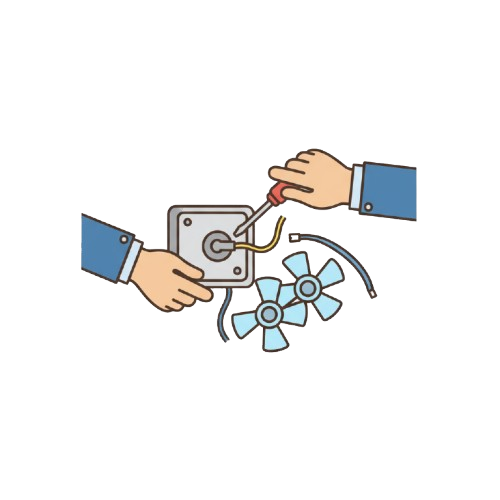
Skilled technicians diagnosing issues quickly and performing reliable repairs.

We hired them to do a complete kitchen and two bathrooms renovation. They were extremely professional, kept us within budget, and finished early. The communication was excellent; they kept us updated daily, and the entire experience was stress-free. The workmanship is beautiful. Highly recommend this remodeling and construction company.

They have great service They fix my walking refrigerator They got here on time and it worked great after the service they did to my restaurant refrigerator I recommend them to friends that has restaurants

Pavel was called on an emergency service on a Saturday morning and came out to fix a walk-in freezer that was recently installed at our restaurant. The freezer was icing over and the temperature was rising inside. Since this could not wait, he came out and identified the issue and fixed it properly. On that same night, he even came back to ensure the unit was working properly and holding deep-freezer temperatures. Pavel went above and beyond for our restaurant and we are very happy with his service. Our restaurant recommends him!

Our bar cooler wasn’t keeping temp and the guys from Pavel Refrigerant Services figured it out right away.
It turned out to be a thermostat issue which they repaired on the spot.
Quick service and solid work all around.

Had an issue with our commercial refrigeration system and these guys fixed it fast. Their quick service and great communication made a stressful situation super easy. Definitely sticking with them for future maintenance.

Had an issue with our commercial refrigeration system and these guys fixed it fast. Their quick service and great communication made a stressful situation super easy. Definitely sticking with them for future maintenance.

Got a refrigerant leak detected and repaired by Pavel’s team. They found the issue fast and made sure there were no other hidden problems. The service was smooth and the price made sense.

Our warehouse cooler needed compressor repair and Pavel’s crew handled it like pros. They showed up with all the appropriate equipment and didn’t waste any time. The pricing was fair and the system has been running flawlessly since.

Related Articles
People Also Ask
The $5000 rule for air conditioning is a general industry guideline used to estimate the appropriate cooling capacity (in tons) needed for a space. It states that one ton of AC capacity can effectively cool approximately 500 square feet of living area. For example, a 2,000 square foot home would typically require a 4-ton unit. This rule provides a useful starting point, but it is a rough estimate. A proper load calculation, performed by a certified HVAC technician, is essential for accurate sizing. Factors like ceiling height, insulation quality, window orientation, local climate, and heat-generating appliances can significantly alter the actual requirement. Oversizing or undersizing a system leads to poor humidity control, reduced efficiency, and increased wear.
The life expectancy of an evaporator coil typically ranges from 10 to 15 years, though this can vary significantly based on several factors. The primary determinants are the quality of the installation, the operating environment, and the level of maintenance performed. Coils in coastal areas are susceptible to salt corrosion, while those in regions with hard water may suffer from mineral scale buildup, both of which can shorten lifespan. Regular professional maintenance, including annual cleaning and checking for refrigerant leaks, is crucial for maximizing longevity. A well-maintained coil in a clean, moderate environment can sometimes last 20 years, whereas neglect, poor air filtration, or manufacturing defects can lead to premature failure in as little as 5 to 7 years.
The most expensive component to replace in a residential air conditioning system is typically the compressor, which is the heart of the unit. This critical part circulates refrigerant and is under constant high pressure and electrical load, making it costly in both parts and labor. A compressor replacement often approaches 50% or more of the cost of a new outdoor condensing unit. Due to this high expense, especially on older systems, it is frequently more economical to replace the entire outdoor unit or the complete system to ensure efficiency, reliability, and warranty coverage. Other high-cost items include the condenser coil and the circuit board.
Yes, evaporator coils can often be repaired, but the decision depends heavily on the type and location of the leak. Small leaks in accessible areas, such as at a solder joint or a pinhole in a straight section of tubing, can frequently be sealed by a certified technician using brazing techniques. However, repairs are generally not recommended for leaks within the coil's intricate fin-and-tube matrix or if the coil is severely corroded, as the repair may be temporary and inefficient. For larger leaks, multiple leaks, or coils using older R-22 refrigerant, replacement is usually the more reliable and cost-effective long-term solution. A professional assessment is crucial to determine if repair is viable, considering factors like the coil's age, the refrigerant type, and overall system condition.
For evaporator and condenser coil repair services in Bethesda, selecting a reputable HVAC contractor is crucial. Look for companies with strong local reviews that highlight expertise in coil cleaning, leak detection, and replacement. A quality service provider will perform a thorough inspection, often using electronic leak detectors and nitrogen pressure tests to diagnose issues accurately. They should explain whether repair or replacement is more cost-effective, considering factors like the coil's age and refrigerant type (e.g., R-410A). Ensure the technician is EPA-certified for refrigerant handling. Positive reviews typically mention clear pricing, prompt service, and improved system efficiency post-repair. Always verify proper licensing and insurance before hiring.