



We hired them to do a complete kitchen and two bathrooms renovation. They were extremely professional, kept us within budget, and finished early. The communication was excellent; they kept us updated daily, and the entire experience was stress-free. The workmanship is beautiful. Highly recommend this remodeling and construction company.


Skilled technicians diagnosing issues quickly and performing reliable repairs.

We hired them to do a complete kitchen and two bathrooms renovation. They were extremely professional, kept us within budget, and finished early. The communication was excellent; they kept us updated daily, and the entire experience was stress-free. The workmanship is beautiful. Highly recommend this remodeling and construction company.

They have great service They fix my walking refrigerator They got here on time and it worked great after the service they did to my restaurant refrigerator I recommend them to friends that has restaurants

Pavel was called on an emergency service on a Saturday morning and came out to fix a walk-in freezer that was recently installed at our restaurant. The freezer was icing over and the temperature was rising inside. Since this could not wait, he came out and identified the issue and fixed it properly. On that same night, he even came back to ensure the unit was working properly and holding deep-freezer temperatures. Pavel went above and beyond for our restaurant and we are very happy with his service. Our restaurant recommends him!

Our bar cooler wasn’t keeping temp and the guys from Pavel Refrigerant Services figured it out right away.
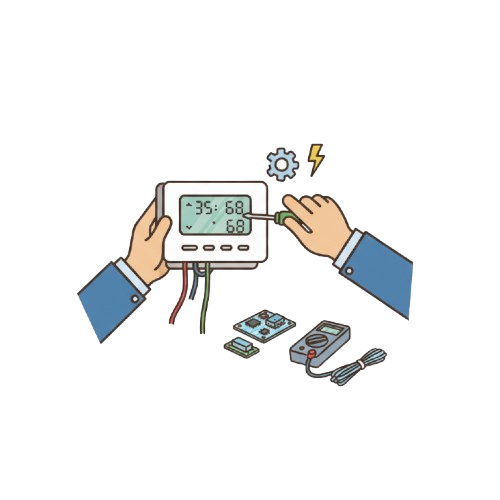
It turned out to be a thermostat issue which they repaired on the spot.
Quick service and solid work all around.

Had an issue with our commercial refrigeration system and these guys fixed it fast. Their quick service and great communication made a stressful situation super easy. Definitely sticking with them for future maintenance.

Had an issue with our commercial refrigeration system and these guys fixed it fast. Their quick service and great communication made a stressful situation super easy. Definitely sticking with them for future maintenance.

Got a refrigerant leak detected and repaired by Pavel’s team. They found the issue fast and made sure there were no other hidden problems. The service was smooth and the price made sense.

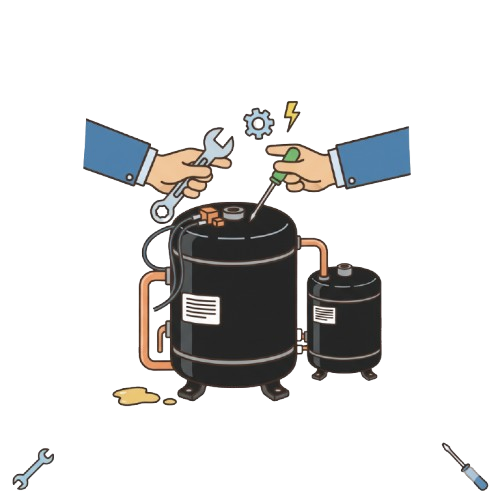
Our warehouse cooler needed compressor repair and Pavel’s crew handled it like pros. They showed up with all the appropriate equipment and didn’t waste any time. The pricing was fair and the system has been running flawlessly since.
People Also Ask
Yes, replacing an evaporator coil is generally considered a major repair. It is a labor-intensive job that often requires removing the entire indoor air handler or furnace cabinet to access the sealed coil. The refrigerant system must be properly recovered, the new coil installed and brazed in, and the system evacuated and recharged. Due to the complexity and cost, which can be significant, it's crucial to get a detailed estimate and consider the age and condition of the entire AC system. For a comprehensive analysis to help with this decision, please refer to our internal article Choosing Between Repair And Replacement: A DC Guide.
A dirty evaporator coil is a common issue that significantly reduces an AC system's efficiency and cooling capacity. Key symptoms include diminished airflow from the vents, as the layer of dirt and debris acts as an insulator, preventing proper heat absorption. You will likely notice the system runs longer cycles but fails to reach the set temperature, leading to inadequate cooling and increased humidity indoors. Another telltale sign is a rise in energy bills due to the compressor working harder. In severe cases, the coil can freeze over, causing ice buildup. Regular professional maintenance, including coil cleaning, is essential to prevent these problems and maintain optimal system performance and longevity.
Yes, an evaporator coil leak can often be repaired, but the feasibility depends on the leak's location and size. Small, accessible leaks in the tubing can sometimes be successfully welded or brazed by a certified technician. However, many modern evaporator coils are constructed with thin, aluminum micro-channel tubing, which is difficult to repair permanently. In such cases, and especially if the coil is old or has multiple leaks, a full replacement is the more reliable and cost-effective long-term solution. A professional assessment is crucial, as improper repair can lead to repeated refrigerant loss, system inefficiency, and potential compressor failure. Always ensure repairs comply with EPA refrigerant handling regulations.
The frequency for cleaning an evaporator coil depends on usage and environment, but a general industry standard is at least once a year. For systems in constant use, like in commercial settings or homes with pets, cleaning every six months is advisable. The coil is crucial for heat absorption, and when dirt and debris accumulate, it reduces airflow and efficiency, forcing the system to work harder and increasing energy costs. Regular professional maintenance, which includes coil inspection and cleaning, is essential for optimal performance, preventing frozen coils, and extending the unit's lifespan. Always consult with an HVAC technician for a schedule tailored to your specific system and conditions.