



We hired them to do a complete kitchen and two bathrooms renovation. They were extremely professional, kept us within budget, and finished early. The communication was excellent; they kept us updated daily, and the entire experience was stress-free. The workmanship is beautiful. Highly recommend this remodeling and construction company.


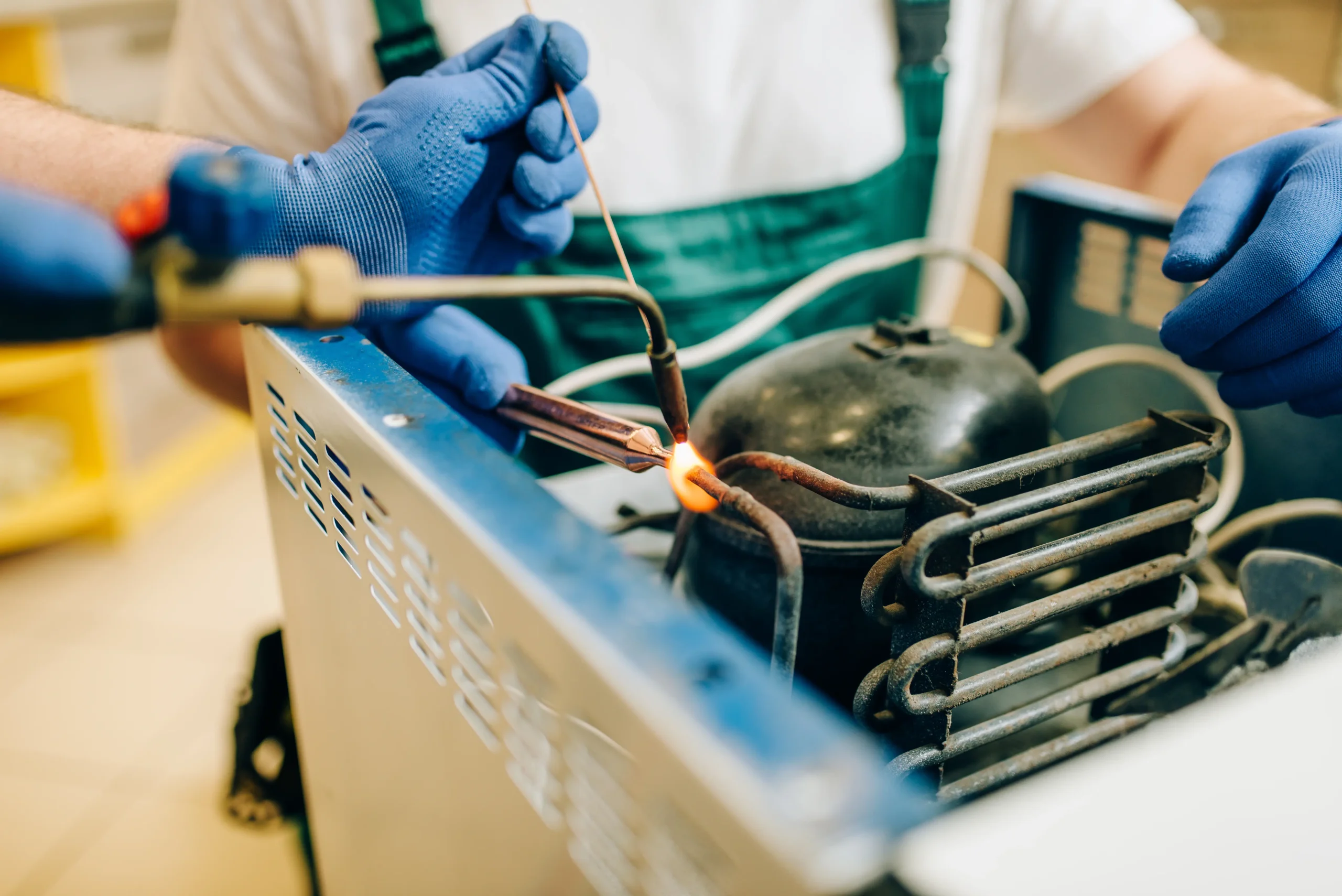
Skilled technicians diagnosing issues quickly and performing reliable repairs.

We hired them to do a complete kitchen and two bathrooms renovation. They were extremely professional, kept us within budget, and finished early. The communication was excellent; they kept us updated daily, and the entire experience was stress-free. The workmanship is beautiful. Highly recommend this remodeling and construction company.

They have great service They fix my walking refrigerator They got here on time and it worked great after the service they did to my restaurant refrigerator I recommend them to friends that has restaurants

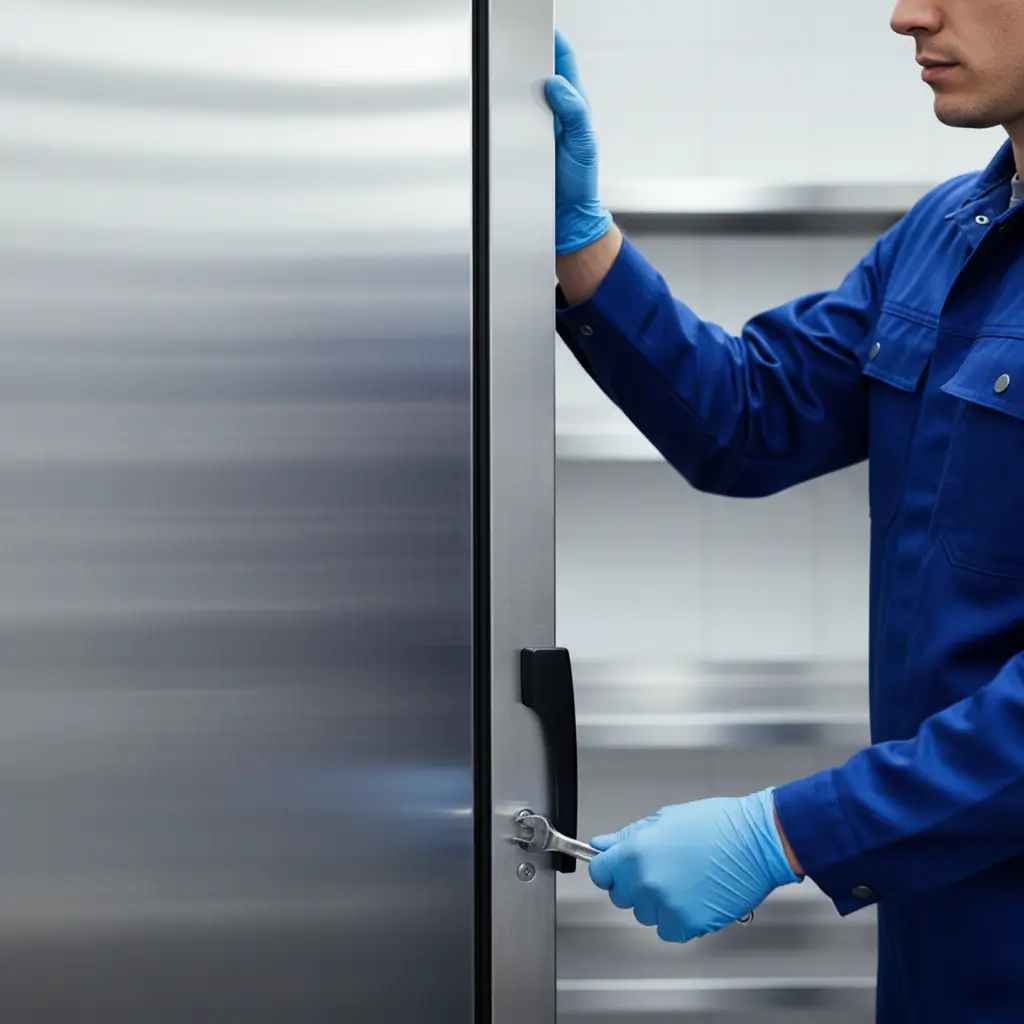
Pavel was called on an emergency service on a Saturday morning and came out to fix a walk-in freezer that was recently installed at our restaurant. The freezer was icing over and the temperature was rising inside. Since this could not wait, he came out and identified the issue and fixed it properly. On that same night, he even came back to ensure the unit was working properly and holding deep-freezer temperatures. Pavel went above and beyond for our restaurant and we are very happy with his service. Our restaurant recommends him!

Our bar cooler wasn’t keeping temp and the guys from Pavel Refrigerant Services figured it out right away.
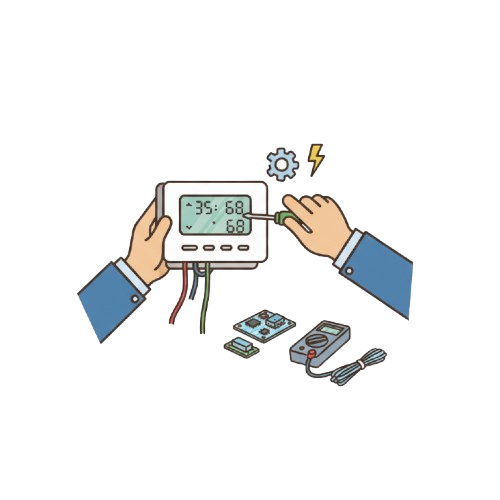
It turned out to be a thermostat issue which they repaired on the spot.
Quick service and solid work all around.

Had an issue with our commercial refrigeration system and these guys fixed it fast. Their quick service and great communication made a stressful situation super easy. Definitely sticking with them for future maintenance.

Had an issue with our commercial refrigeration system and these guys fixed it fast. Their quick service and great communication made a stressful situation super easy. Definitely sticking with them for future maintenance.

Got a refrigerant leak detected and repaired by Pavel’s team. They found the issue fast and made sure there were no other hidden problems. The service was smooth and the price made sense.

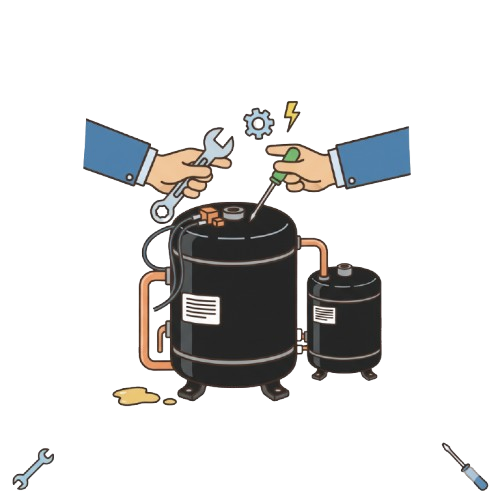
Our warehouse cooler needed compressor repair and Pavel’s crew handled it like pros. They showed up with all the appropriate equipment and didn’t waste any time. The pricing was fair and the system has been running flawlessly since.
People Also Ask
The $5000 rule in HVAC is a guideline used to decide between repairing or replacing an air conditioning system. It suggests that if the cost of a repair multiplied by the age of the unit (in years) exceeds $5000, replacement is often the more economical long-term choice. For example, a $1000 repair on a 10-year-old unit (1000 x 10 = 10,000) would point toward replacement. This rule helps homeowners weigh the investment in an old, potentially inefficient system against the benefits of a new, reliable, and energy-efficient model. It factors in not just the immediate repair cost, but also future reliability, energy savings, and the diminishing returns of investing in aging equipment.
The labor cost to replace an evaporator coil in an AC unit varies significantly based on location, system accessibility, and contractor rates. On average, you can expect labor to range from $500 to $1,500, with the total project cost (including the coil itself) often falling between $1,200 and $2,500. Labor is a major component because the job is intensive, typically requiring a technician to dismantle ductwork, remove the old coil, install the new one, pressure-test the system, evacuate air and moisture, and recharge it with refrigerant. Complex installations in attics or tight spaces, or those requiring custom fabrication, will increase labor time and cost. Always obtain multiple detailed quotes from licensed HVAC professionals, as pricing should reflect the specific scope of work for your system.
The most expensive component to replace in a residential air conditioning system is typically the compressor, which is the heart of the unit. This critical part circulates refrigerant and is under constant high pressure and electrical load. Compressor replacement often involves significant labor, including recovery of refrigerant, brazing, and system evacuation. The total cost can approach or even exceed the price of a new outdoor condenser unit, especially in older systems. Other costly replacements include the condenser coil or the entire outdoor unit. When facing such a major repair, it is often advisable to compare the repair quote against the cost and efficiency gains of a new system installation.
The life expectancy of an evaporator coil typically ranges from 10 to 15 years, though this can vary significantly based on several factors. The primary determinants are the quality of the original installation, the system's maintenance schedule, and the operating environment. Coils in coastal areas with salty air or in regions with hard water and mineral buildup often face a shorter lifespan due to corrosion and scale. Regular professional maintenance, including annual cleaning and checking for refrigerant leaks, is crucial for maximizing longevity. A well-maintained coil in a clean, moderate environment can sometimes last 20 years, while neglect, poor air filtration, or chronic issues like formicary corrosion can lead to premature failure in as little as 5-7 years.