



We hired them to do a complete kitchen and two bathrooms renovation. They were extremely professional, kept us within budget, and finished early. The communication was excellent; they kept us updated daily, and the entire experience was stress-free. The workmanship is beautiful. Highly recommend this remodeling and construction company.


Skilled technicians diagnosing issues quickly and performing reliable repairs.

We hired them to do a complete kitchen and two bathrooms renovation. They were extremely professional, kept us within budget, and finished early. The communication was excellent; they kept us updated daily, and the entire experience was stress-free. The workmanship is beautiful. Highly recommend this remodeling and construction company.

They have great service They fix my walking refrigerator They got here on time and it worked great after the service they did to my restaurant refrigerator I recommend them to friends that has restaurants

Pavel was called on an emergency service on a Saturday morning and came out to fix a walk-in freezer that was recently installed at our restaurant. The freezer was icing over and the temperature was rising inside. Since this could not wait, he came out and identified the issue and fixed it properly. On that same night, he even came back to ensure the unit was working properly and holding deep-freezer temperatures. Pavel went above and beyond for our restaurant and we are very happy with his service. Our restaurant recommends him!

Our bar cooler wasn’t keeping temp and the guys from Pavel Refrigerant Services figured it out right away.
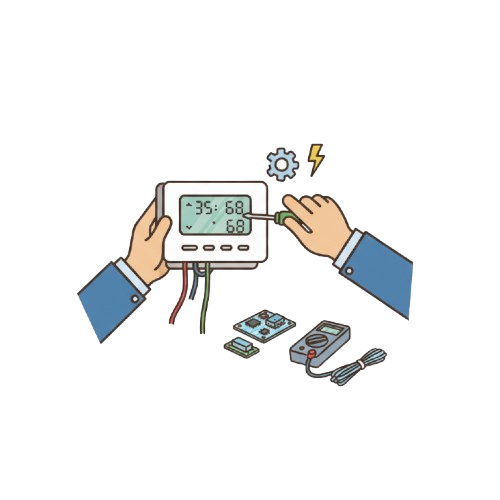
It turned out to be a thermostat issue which they repaired on the spot.
Quick service and solid work all around.

Had an issue with our commercial refrigeration system and these guys fixed it fast. Their quick service and great communication made a stressful situation super easy. Definitely sticking with them for future maintenance.

Had an issue with our commercial refrigeration system and these guys fixed it fast. Their quick service and great communication made a stressful situation super easy. Definitely sticking with them for future maintenance.

Got a refrigerant leak detected and repaired by Pavel’s team. They found the issue fast and made sure there were no other hidden problems. The service was smooth and the price made sense.

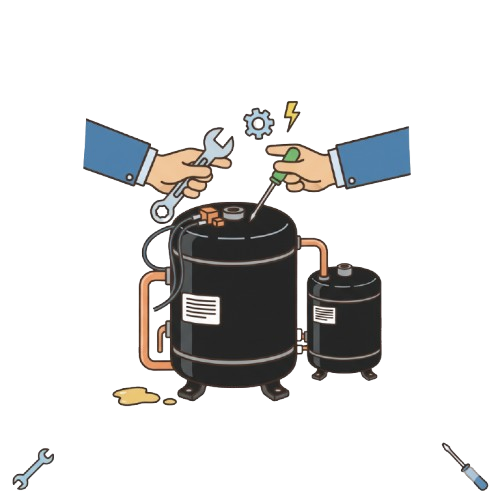
Our warehouse cooler needed compressor repair and Pavel’s crew handled it like pros. They showed up with all the appropriate equipment and didn’t waste any time. The pricing was fair and the system has been running flawlessly since.

People Also Ask
The cost to replace an evaporator coil varies significantly based on the system type, coil material, and labor. For a standard residential central air conditioner, homeowners can typically expect a range from $1,200 to $2,500, with an average around $1,800. This includes the coil unit and professional installation. High-efficiency systems, difficult accessibility (like in attics or tight closets), or the need for compatible refrigerant (like R-410A) can push costs toward the higher end. It's a major repair; always get multiple detailed estimates. The quote should cover removing refrigerant, installing the new coil, pressure testing, recharging the system, and disposing of the old one properly.
Yes, replacing an evaporator coil is generally considered a major repair. It is one of the most significant and expensive components of an air conditioning or refrigeration system. The repair involves extensive labor to access the sealed coil compartment, recover refrigerant, braze in the new coil, perform a pressure test, evacuate the system, and recharge it with the precise amount of refrigerant. Costs are high due to both the part and the skilled labor required. Given the expense, it's crucial to evaluate the age and condition of the entire system. For a detailed framework on making this decision, please refer to our internal article, Choosing Between Repair And Replacement: A DC Guide.
Replacing an AC evaporator coil is a significant investment, but it can be worth it in several scenarios. If your system is relatively new (under 10 years old) and the compressor and condenser are in good condition, replacing just the coil is often more economical than a full system replacement. It restores efficiency and cooling capacity. However, if the entire system is older, nearing the end of its typical 15-year lifespan, or uses an obsolete refrigerant like R-22, a full system replacement is usually the more cost-effective and energy-efficient long-term choice. Always get a professional assessment to compare repair costs against potential energy savings and the price of a new, high-efficiency unit.
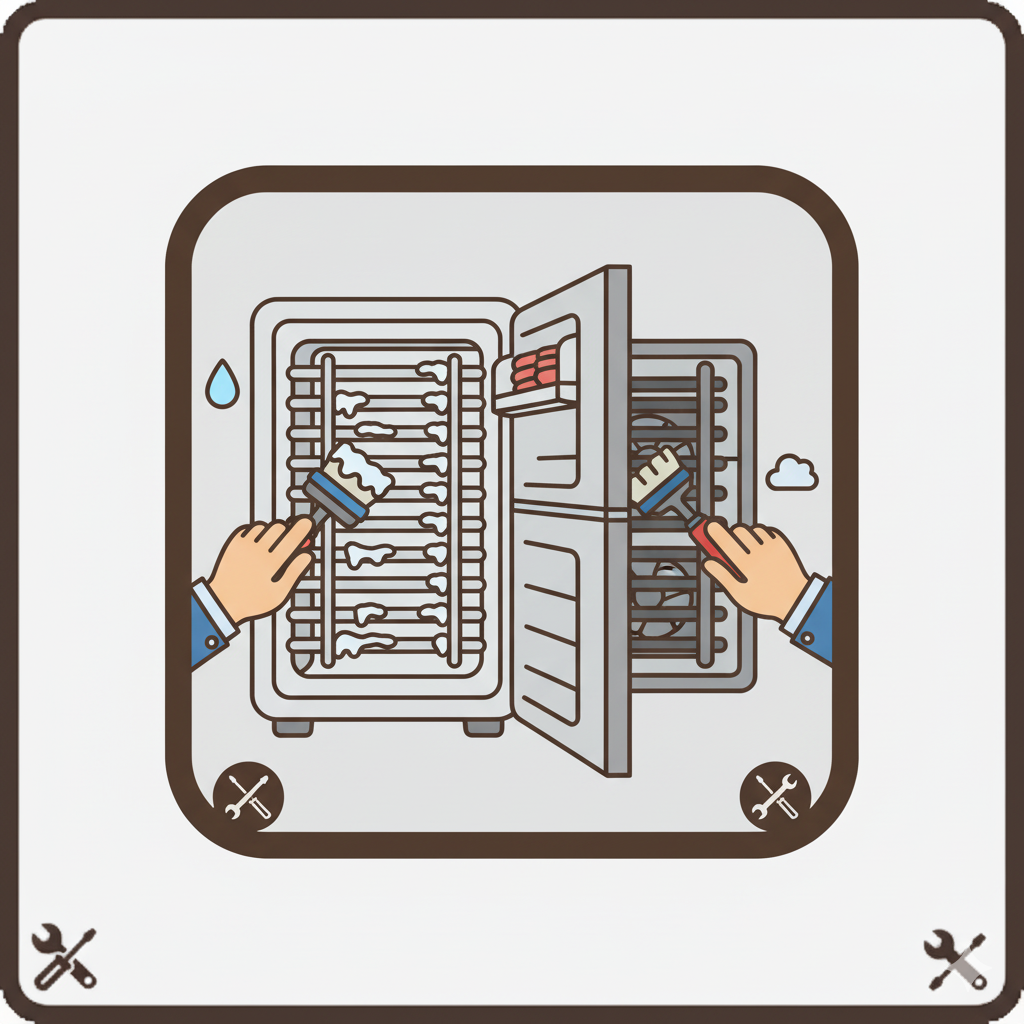
For optimal performance and efficiency, air conditioning evaporator coils should be cleaned at least once a year, typically during a professional spring maintenance service. In environments with high dust, pet dander, or significant airborne contaminants, cleaning every six months may be necessary. Dirty coils act as an insulator, forcing the system to work longer and harder to achieve the set temperature, which drastically increases energy consumption and wear on components. Regular cleaning maintains proper heat transfer, ensures good indoor air quality by preventing microbial growth, and helps sustain the system's designed cooling capacity and refrigerant pressure levels, extending the overall lifespan of the unit.