



We hired them to do a complete kitchen and two bathrooms renovation. They were extremely professional, kept us within budget, and finished early. The communication was excellent; they kept us updated daily, and the entire experience was stress-free. The workmanship is beautiful. Highly recommend this remodeling and construction company.


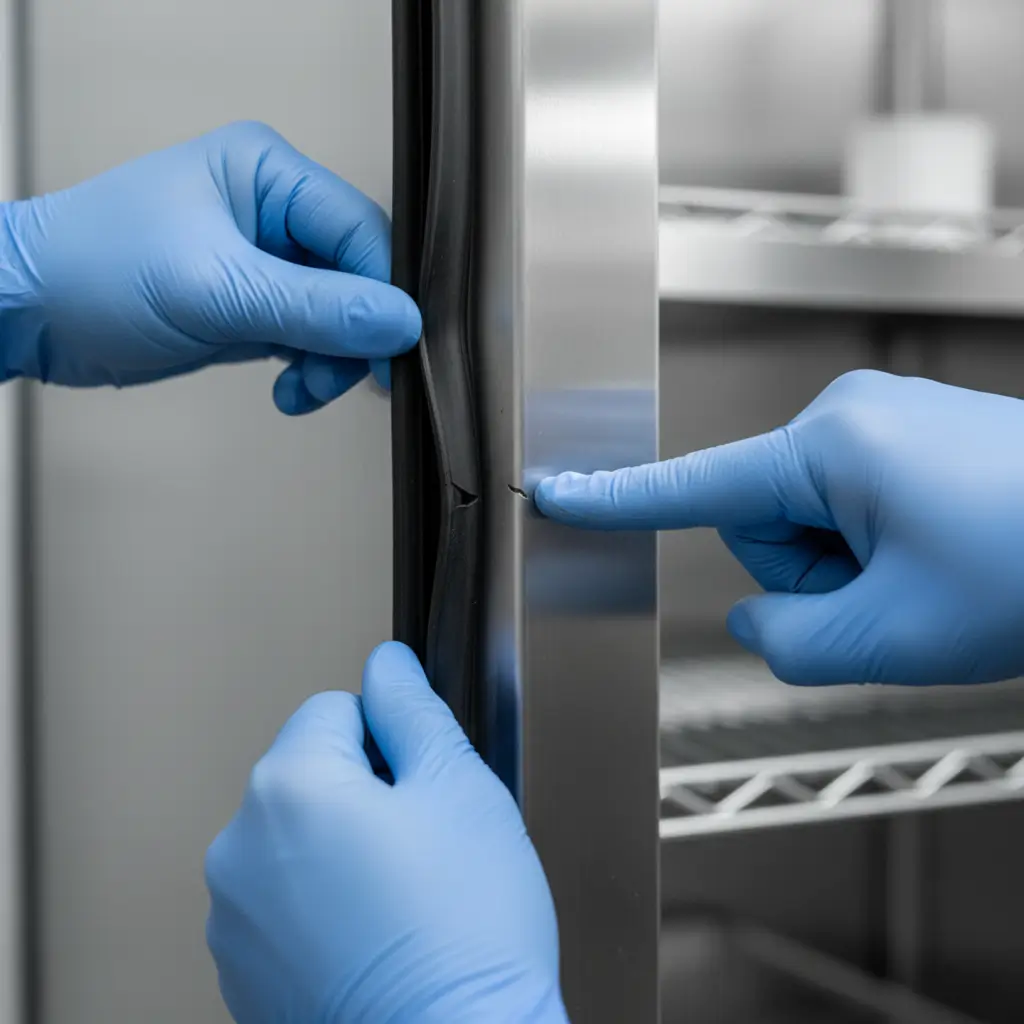
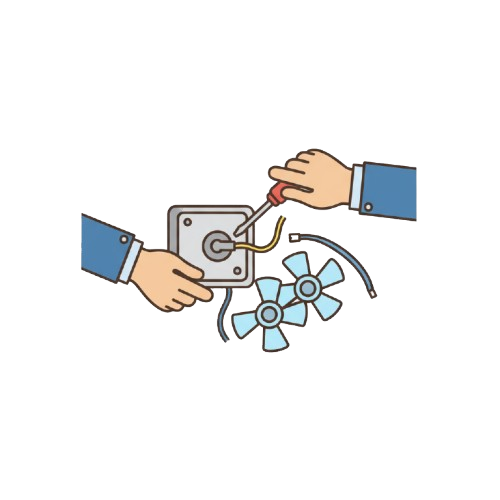
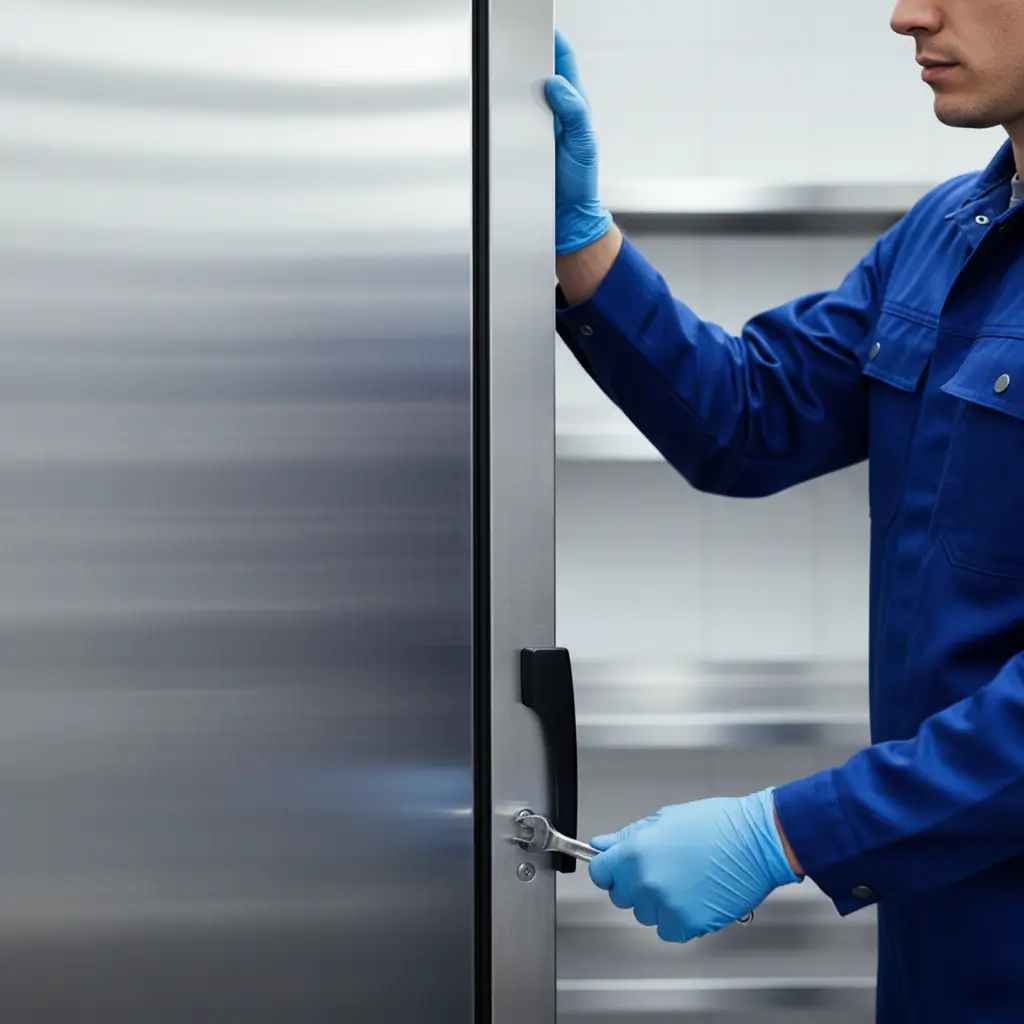
Skilled technicians diagnosing issues quickly and performing reliable repairs.

We hired them to do a complete kitchen and two bathrooms renovation. They were extremely professional, kept us within budget, and finished early. The communication was excellent; they kept us updated daily, and the entire experience was stress-free. The workmanship is beautiful. Highly recommend this remodeling and construction company.

They have great service They fix my walking refrigerator They got here on time and it worked great after the service they did to my restaurant refrigerator I recommend them to friends that has restaurants

Pavel was called on an emergency service on a Saturday morning and came out to fix a walk-in freezer that was recently installed at our restaurant. The freezer was icing over and the temperature was rising inside. Since this could not wait, he came out and identified the issue and fixed it properly. On that same night, he even came back to ensure the unit was working properly and holding deep-freezer temperatures. Pavel went above and beyond for our restaurant and we are very happy with his service. Our restaurant recommends him!

Our bar cooler wasn’t keeping temp and the guys from Pavel Refrigerant Services figured it out right away.
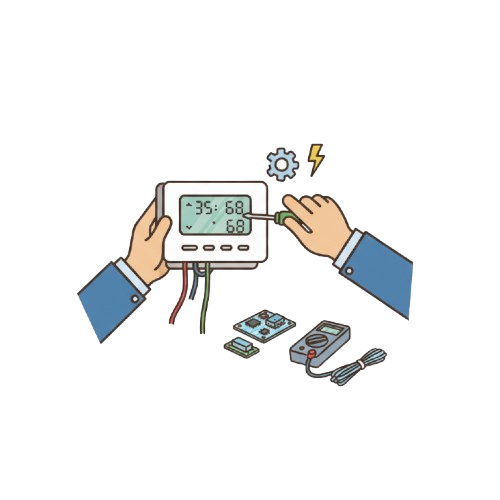
It turned out to be a thermostat issue which they repaired on the spot.
Quick service and solid work all around.

Had an issue with our commercial refrigeration system and these guys fixed it fast. Their quick service and great communication made a stressful situation super easy. Definitely sticking with them for future maintenance.

Had an issue with our commercial refrigeration system and these guys fixed it fast. Their quick service and great communication made a stressful situation super easy. Definitely sticking with them for future maintenance.

Got a refrigerant leak detected and repaired by Pavel’s team. They found the issue fast and made sure there were no other hidden problems. The service was smooth and the price made sense.

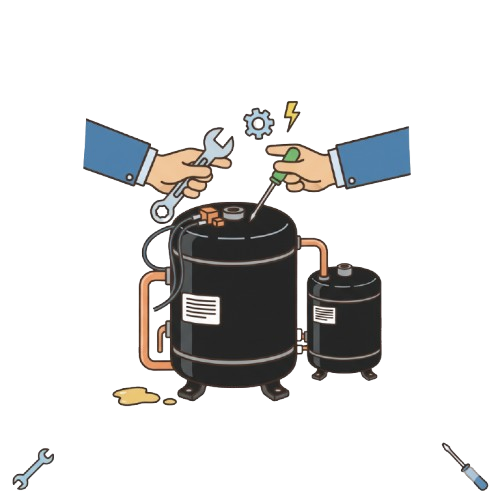
Our warehouse cooler needed compressor repair and Pavel’s crew handled it like pros. They showed up with all the appropriate equipment and didn’t waste any time. The pricing was fair and the system has been running flawlessly since.
People Also Ask
The $5000 rule for air conditioning is a general industry guideline used to estimate the cost-effectiveness of repairing an older AC unit versus replacing it entirely. The rule states that if the age of your air conditioner (in years) multiplied by the estimated repair cost exceeds $5,000, then replacement is often the more financially prudent long-term decision. For example, a 10-year-old unit needing a $600 repair (10 x 600 = 6,000) would typically suggest considering a new, more efficient system. This rule helps homeowners weigh the diminishing returns of investing in aging equipment against the benefits of modern, energy-efficient models that offer lower operating costs and improved reliability. It is a starting point for discussion with a qualified HVAC professional who can assess your specific situation.
The labor cost to replace an evaporator coil is highly variable, typically ranging from $500 to $1,500 or more, with the total project cost often falling between $1,200 and $2,800 when including the part. This wide range is due to several critical factors. The primary determinant is the labor intensity of the job; accessing the coil often requires significant disassembly of the air handler or furnace, which can take a skilled technician 4 to 8 hours. System location (e.g., attic vs. basement), local market rates, and the specific HVAC system's design complexity also heavily influence the final labor quote. Always obtain a detailed, written estimate from a licensed professional, as a proper installation is crucial for system efficiency and longevity.
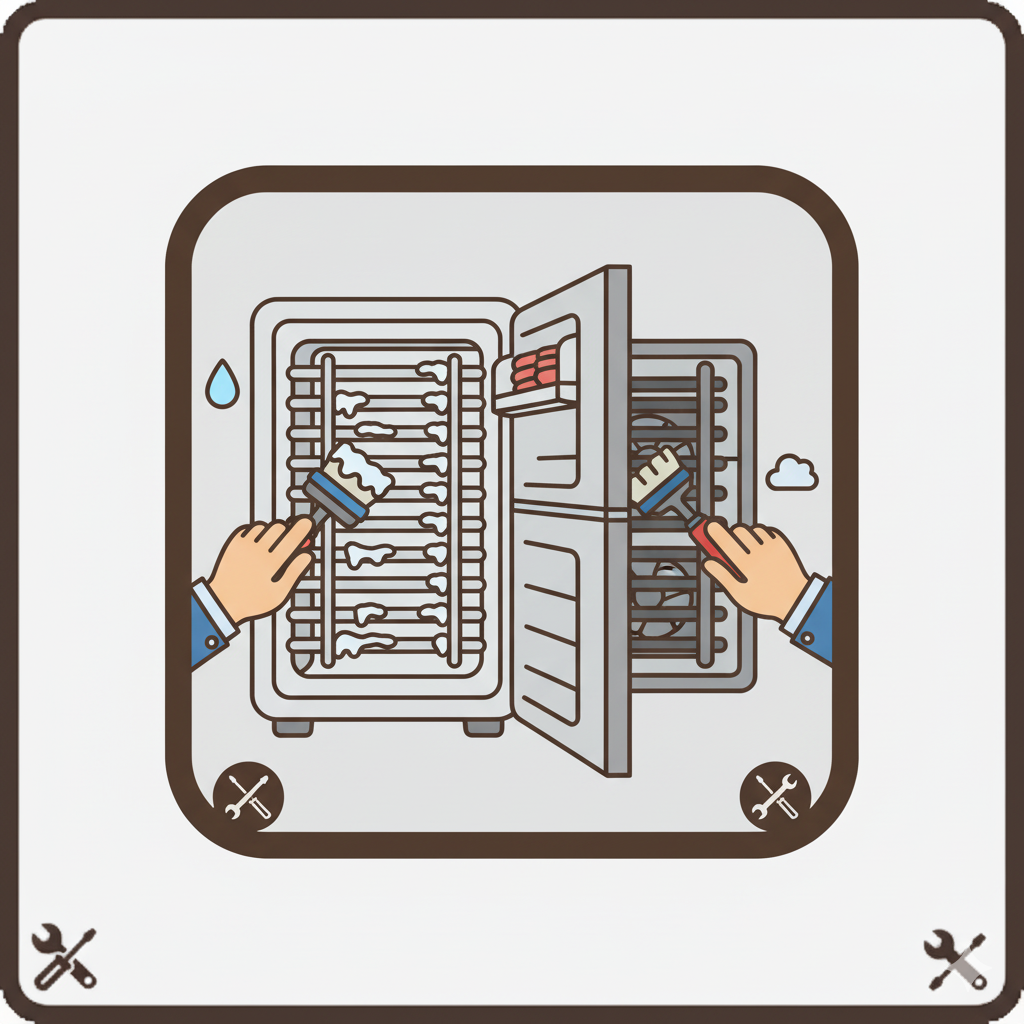
The cost to have a professional clean your air conditioner's evaporator and condenser coils typically ranges from $100 to $400, with a national average around $150-$250. The final price depends on several factors, including your system's size and accessibility, your geographic location, and whether it's part of a larger maintenance visit. A basic coil cleaning during a routine tune-up will be on the lower end, while a deep cleaning for a heavily soiled or hard-to-reach system will cost more. Regular coil cleaning is a critical maintenance task; dirty coils force the system to work harder, leading to higher energy bills and premature component failure. Always get a detailed estimate from a certified HVAC technician before proceeding.
Yes, replacing an evaporator coil is generally considered a major repair. It is a labor-intensive job that often requires removing the entire indoor air handler or furnace cabinet to access the sealed coil. Due to the refrigerant system being opened, it also necessitates a full evacuation and recharge by a certified technician, adding significant cost. The decision to repair or replace depends heavily on the age of your system, the cost of the repair relative to a new unit, and the compatibility of a new coil with an older outdoor condenser. For a detailed analysis of this critical decision, please refer to our internal article Choosing Between Repair And Replacement: A DC Guide.
For residents in Silver Spring seeking evaporator and condenser coil repair services, selecting a reputable HVAC contractor is crucial. Look for companies with strong local reviews that highlight prompt service, transparent pricing, and certified technicians. Positive feedback often mentions thorough cleaning of coils, accurate diagnosis of leaks or damage, and proper refrigerant handling. It is essential to choose a provider that follows EPA regulations for refrigerants and offers warranties on both parts and labor. Reading detailed reviews on platforms like Google or BBB can reveal a company's reliability in restoring system efficiency, which directly impacts your energy bills and home comfort during Maryland's varying seasons. Always verify licensing and insurance before proceeding.
For professional evaporator and condenser coil repair services in Silver Spring, it is essential to contact a licensed HVAC technician. These coils are critical components of your air conditioning or heat pump system. The evaporator coil, located indoors, absorbs heat, while the condenser coil, located outdoors, releases it. Repairs can involve fixing refrigerant leaks, cleaning severe blockages, or patching minor corrosion. Attempting DIY repairs on coils is strongly discouraged due to the complexity of the sealed refrigerant system and the potential for personal injury or further system damage. A certified professional will perform a thorough inspection, use proper tools for pressure testing and brazing, and ensure the system is recharged to the manufacturer's exact specifications for optimal efficiency and longevity.