









We hired them to do a complete kitchen and two bathrooms renovation. They were extremely professional, kept us within budget, and finished early. The communication was excellent; they kept us updated daily, and the entire experience was stress-free. The workmanship is beautiful. Highly recommend this remodeling and construction company.


Skilled technicians diagnosing issues quickly and performing reliable repairs.

We hired them to do a complete kitchen and two bathrooms renovation. They were extremely professional, kept us within budget, and finished early. The communication was excellent; they kept us updated daily, and the entire experience was stress-free. The workmanship is beautiful. Highly recommend this remodeling and construction company.

They have great service They fix my walking refrigerator They got here on time and it worked great after the service they did to my restaurant refrigerator I recommend them to friends that has restaurants

Pavel was called on an emergency service on a Saturday morning and came out to fix a walk-in freezer that was recently installed at our restaurant. The freezer was icing over and the temperature was rising inside. Since this could not wait, he came out and identified the issue and fixed it properly. On that same night, he even came back to ensure the unit was working properly and holding deep-freezer temperatures. Pavel went above and beyond for our restaurant and we are very happy with his service. Our restaurant recommends him!

Our bar cooler wasn’t keeping temp and the guys from Pavel Refrigerant Services figured it out right away.
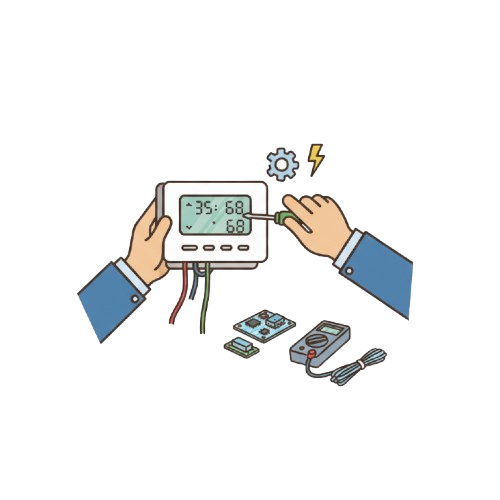
It turned out to be a thermostat issue which they repaired on the spot.
Quick service and solid work all around.

Had an issue with our commercial refrigeration system and these guys fixed it fast. Their quick service and great communication made a stressful situation super easy. Definitely sticking with them for future maintenance.

Had an issue with our commercial refrigeration system and these guys fixed it fast. Their quick service and great communication made a stressful situation super easy. Definitely sticking with them for future maintenance.

Got a refrigerant leak detected and repaired by Pavel’s team. They found the issue fast and made sure there were no other hidden problems. The service was smooth and the price made sense.

Our warehouse cooler needed compressor repair and Pavel’s crew handled it like pros. They showed up with all the appropriate equipment and didn’t waste any time. The pricing was fair and the system has been running flawlessly since.
Related Articles
People Also Ask
The cost of professional refrigerant leak detection varies significantly based on the system's size, location, and the detection method used. For a residential HVAC system, a basic electronic or ultraviolet dye test might range from $150 to $450. Commercial systems or complex sealed systems require more advanced methods like nitrogen pressure testing or electronic sniffers, which can cost $500 or more. The final price also factors in the technician's travel and labor rates. It's crucial to address leaks promptly, as they lead to inefficient operation and higher energy bills. For a deeper understanding of identifying issues before they escalate, we recommend reading our internal guide, Sealed System Leak Detection: Early Warning Signs.
The cost for refrigerant leak detection varies significantly based on the system's size, complexity, and location. For a standard residential HVAC system, a basic electronic or ultrasonic leak check might range from $150 to $400. Commercial or complex systems can cost $500 or more. The final price depends on the time required and the detection method used, such as dye injection, electronic detectors, or nitrogen pressure testing. It is crucial to provide a clear, itemized estimate upfront. Many companies bundle leak detection with repair quotes, but transparent pricing for the diagnostic service itself builds customer trust and aligns with industry best practices for professional service calls.
The $5000 rule for air conditioning is a general industry guideline used to estimate the cost-effectiveness of repairing an older system versus replacing it entirely. The rule states that if the age of your AC unit (in years) multiplied by the estimated repair cost exceeds $5,000, then replacement is often the more prudent financial decision. For example, a 10-year-old unit needing a $600 repair (10 x 600 = 6,000) would typically suggest considering a new, more efficient system. This rule helps homeowners weigh long-term energy savings, reliability, and potential future repair costs against a significant upfront repair bill. It is a starting point for discussion with a qualified HVAC professional, who can assess your specific system's condition and efficiency.
The cost to fix a refrigerant leak in a car can vary widely, typically ranging from $150 to over $1,000. The primary factors are the leak's location and the repair method. A simple fix, like replacing a leaking O-ring or valve core, may cost under $200 for parts and labor. More complex repairs, such as fixing a leak in the evaporator core or condenser, often require extensive labor to access components, pushing costs to $600-$1,200 or more. This usually includes leak detection, repair, and a proper recharge of the refrigerant. Always get a professional diagnosis, as simply adding refrigerant is a temporary solution and illegal if it leaks into the atmosphere.
For refrigerant leak detection and repair in College Park, the best services follow a rigorous, multi-step process aligned with EPA Section 608 regulations. A top-tier technician will first use an electronic leak detector, ultrasonic device, or fluorescent dye to pinpoint the exact leak location in your HVAC system or commercial refrigeration unit. The repair method depends on the leak's size and location, ranging from brazing a new joint for copper lines to replacing a faulty valve core or seal. After repair, the system must be evacuated with a vacuum pump to remove air and moisture before being recharged with the correct, EPA-certified refrigerant to the manufacturer's specified level. Always verify that the service provider is EPA-certified, insured, and offers a warranty on their work to ensure safety, compliance, and system longevity.