Table of Contents
Beat the Breakdown Blues: Your Northern Virginia Cold Room Survival Guide
Hey there, fellow cold room warriors! Let’s be honest—when that walk-in cooler starts acting up during a Friday night dinner rush in Arlington or your Silver Spring freezer hums a little too ominously, panic isn’t just an option; it’s practically mandatory. We’ve all been there, staring down spoiled inventory and sweating (ironically) over repair costs. But what if we told you most cold room disasters are totally avoidable? Yep, a little proactive TLC is your secret weapon. Consider this your no-nonsense, battle-tested checklist to keep things icy smooth in our Northern Virginia climate.
Why Waiting for Disaster is a Recipe for (Expensive) Regret
We get it. “Proactive maintenance” sounds about as thrilling as watching ice melt. But trust us—ignoring it is like skipping oil changes for your car until the engine seizes on I-495. Brutal. Our Northern Virginia weather swings? They’re brutal on refrigeration systems. Humidity, power surges, dust storms disguised as pollen season—they all conspire against your equipment. One minute you’re humming along; the next, you’re Googling “commercial freezer repair near me” at 2 AM while your $5,000 seafood order thaws. Not cool. Literally.
Your No-Fluff, Northern Virginia Cold Room Checklist
This isn’t rocket science, but consistency is key. Do these regularly, and you’ll dodge 80% of common meltdowns.
Daily & Weekly Quick Wins
- Condenser Coil TLC: Wipe down coils with a soft brush. Dust bunnies love blocking airflow, and blocked airflow = overheated compressor = 💸. Do this weekly—more if you’re near a Wheaton construction zone!
- Door Seal Check: Close a dollar bill in the door. If it slips out easily, your seal’s shot. Leaky seals make your unit work overtime (hello, sky-high energy bills).
- Drain Pan Patrol: Stagnant water in the drain pan? That’s a mold party invitation. Flush it with warm water and a tiny bit of bleach weekly.
- Listen Up! Unusual noises (grinding, hissing) aren’t your cooler’s quirky personality—they’re early distress signals.
Monthly Must-Dos
- Evaporator Fan Inspection: Ensure blades spin freely and aren’t iced up. Ice here = reduced airflow = warm spots and spoiled goods.
- Gasket Deep Clean: Use mild soap and water on door gaskets. Crumbs and gunk compromise the seal.
- Thermostat Accuracy Test: Stick a thermometer inside next to the thermostat. More than a 2°F difference? Time for calibration.
Quarterly & Annual Deep Dives
Leave this to the pros (like us at Pavel Refrigerant Services!), but know what’s involved:
- Refrigerant Charge Check: Low levels strain the compressor. Only EPA-certified techs (like ours!) should handle this.
- Electrical Component Inspection: Loose wires or corroded contacts cause failures or fires. Yikes.
- Defrost System Calibration: Critical for freezers! Malfunctioning defrost cycles lead to ice blockages.
- Full System Performance Test: Assessing pressures, superheat, and subcooling. This is the equivalent of a full physical.
Proactive Maintenance Schedule at a Glance
| Frequency | Key Tasks | Why It Matters in NoVA |
|---|---|---|
| Daily/Weekly | Wipe condenser coils, check door seals, inspect drain pan, listen for odd noises | Prevents dust buildup (high pollen!), ensures efficiency, stops mold, catches early warnings |
| Monthly | Inspect evaporator fans, clean gaskets, test thermostat accuracy | Maintains airflow, preserves door seal integrity, guarantees precise temperature control |
| Quarterly | Professional coil cleaning, electrical safety check, defrost cycle review | Tackles deep grime, prevents electrical hazards, ensures reliable freezer defrosting |
| Annually | Full refrigerant system check, compressor inspection, comprehensive tune-up | Optimizes efficiency, extends equipment lifespan, prevents catastrophic failures |
When DIY Just Won’t Cut It (AKA: Time to Call Pavel!)
Look, we admire your grit. But some things scream “call a pro”:
- Refrigerant leaks: It’s illegal and dangerous to handle without certification. Plus, low refrigerant kills compressors—fast.
- Electrical gremlins: Flickering lights, tripped breakers? Don’t play electrician.
- Warm spots or inconsistent temps: Could be a failing component or airflow issue. Diagnosing this needs expertise.
- That ominous grinding noise: Usually means a motor or bearing is dying. RIP.
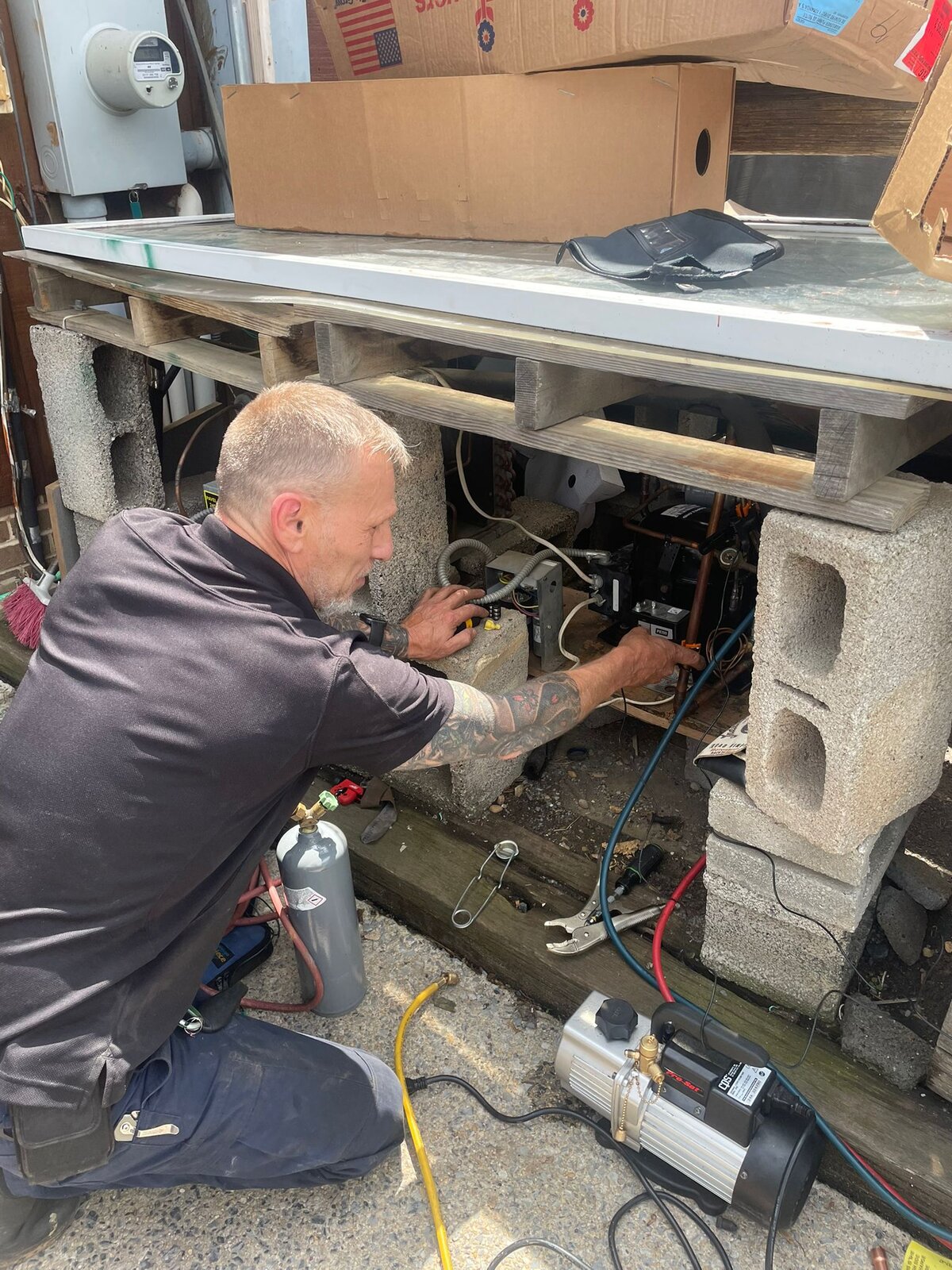
Why ring us at Pavel Refrigerant Services? We’re Montgomery County locals who’ve fixed more walk-ins in Washington, Arlington, Silver Spring, and Wheaton than we’ve had hot coffees. We get the unique demands of restaurant refrigeration repair in our busy region. When you need the closest, reliable commercial refrigeration service, we’re your neighbors. Our techs live here too—so we hustle because our reputation depends on it. Facing a crisis? We’re often the nearest expert team available.
The Cold Hard Truth: Neglect Costs WAY More
Let’s talk turkey (before it spoils). A commercial refrigeration maintenance plan might feel like an extra cost. But compare that to:
- Emergency repair bills: Weekend commercial walk in cooler repair calls? Expect premium pricing.
- Lost inventory: One failed freezer can wipe out thousands in stock.
- Energy waste: A struggling system can spike energy use by 20-30%. Ouch.
- Shortened equipment life: Replace a $20k unit way sooner than planned? No thanks.
Proactive care isn’t an expense—it’s insurance. IMO, it’s the smartest price you’ll pay all year.
Why Pavel Refrigerant Services is Your NoVA Cold Room Partner
We’re not just another commercial refrigeration repair shop. We’re your nearby specialists in:
- Walk in cooler repair & walk in refrigerator repair
- Commercial freezer repair & commercial fridge repair
- Industrial refrigeration repair
- Comprehensive commercial refrigeration maintenance plans
Being local means we understand the pressure you’re under. Got a walk-in acting up in Arlington? We know traffic patterns to get there fast. Need a Silver Spring restaurant back online before lunch? We’re on it. Our goal? Keep you running smoothly so you never need frantic “near me” searches.
Cold Room Conundrums: Your Top 3 Questions Answered
1. “How often should I REALLY get professional maintenance?”
For most restaurants or grocery stores in our climate? Quarterly. Heavy use or older equipment? Maybe bi-monthly. Annual is the bare minimum and risky. Think of it like dental cleanings—skip them, and you’ll pay for it painfully later.
2. “Can I just top off the refrigerant myself if it’s low?”
Absolutely not. Refrigerant isn’t “consumed.” If levels are low, there’s a leak. Topping it off without fixing the leak is illegal (EPA regulations!), bad for the environment, wastes money, and destroys your compressor. Always call a licensed pro (like us!).
3. “Is proactive maintenance worth the cost for an older unit?”
Usually, yes—but strategically. If your unit is 15+ years old, major repairs might not be cost-effective. However, regular maintenance can often squeeze several more reliable years out of it. We’ll give you honest advice: fix it, maintain it, or replace it. No upselling, just straight talk.
Don’t Gamble With Your Cold Storage!
So, fellow NoVA business champs, here’s the deal: Your cold rooms are the silent workhorses of your operation. Treat ’em right with consistent care, and they’ll reward you with reliability and lower costs. Ignore them, and… well, you know the chaos.
Ready to ditch the repair rollercoaster? Contact Pavel Refrigerant Services today. Let’s build a maintenance plan that fits your budget and keeps your Arlington eatery, Silver Spring lab, or Wheaton market chilling confidently. Because nobody should face a warm walk-in alone. 🙂 We’re nearby, we’re experts, and we’ve got your back. Let’s keep it cool!
People Also Ask
To maintain a cold room effectively, you should start by regularly cleaning the condenser coils to prevent dust buildup, which reduces efficiency. Check door seals for gaps or tears, as even small leaks cause temperature fluctuations and higher energy costs. Monitor the evaporator fan motors and defrost cycles to ensure consistent airflow and prevent ice accumulation. It is also critical to verify refrigerant levels and inspect for leaks, as low charge can damage the compressor. At Pavel Refrigerant Services, we recommend scheduling professional preventive maintenance twice a year to address these components. Keeping a log of temperature readings and service dates helps track performance and catch issues early, extending the life of your cold room.
Regularly scheduled maintenance for commercial refrigeration systems typically includes five key checks. First, technicians inspect condenser coils for dirt and debris, which can reduce efficiency. Second, they verify refrigerant levels and check for leaks to ensure optimal cooling. Third, they examine evaporator fans and coils for frost buildup or blockages. Fourth, they test thermostat accuracy and control settings to maintain proper temperatures. Fifth, they assess door seals and gaskets for wear, preventing cold air loss. For businesses in the DMV area, following a structured plan is essential. For more details on this topic, refer to our internal article Commercial Refrigeration Maintenance in College Park, MD. Pavel Refrigerant Services recommends scheduling these checks quarterly to extend equipment lifespan and reduce energy costs.
A comprehensive preventive maintenance checklist for a freezer is essential for reliability. Key tasks include inspecting door gaskets for cracks or debris to ensure a tight seal, which prevents cold air loss. You should also clean the condenser coils every three months to maintain efficient heat exchange. Additionally, check the evaporator fan motor for unusual noises and verify the defrost drain is clear of ice blockages. Monitoring temperature logs daily helps catch fluctuations early. For businesses in the DMV area, following these steps can reduce emergency repairs. For more specific guidance on protecting commercial equipment, we recommend reading our internal article Preventing Costly Breakdowns In Capitol Hill Catering Businesses.
An HVAC maintenance checklist is a systematic guide used by technicians to ensure all critical components of a heating, ventilation, and air conditioning system are inspected and serviced. It typically includes tasks such as checking refrigerant levels, cleaning or replacing air filters, inspecting electrical connections, lubricating moving parts, and verifying thermostat calibration. For commercial systems, the checklist may also cover condenser coils, drain pans, and blower motors. Following a comprehensive checklist helps prevent unexpected breakdowns, improves energy efficiency, and extends equipment lifespan. At Pavel Refrigerant Services, we recommend scheduling professional maintenance at least twice a year to keep your system running reliably, especially before peak heating and cooling seasons.
For cold rooms in Northern Virginia, a proactive maintenance checklist should prioritize seasonal factors like humidity and temperature swings. Key items include inspecting door seals and gaskets for air leaks, which strain the system. Clean condenser coils monthly to prevent overheating, and verify refrigerant levels to ensure efficiency. Check evaporator fans and drain lines for ice buildup or clogs, common in humid DMV summers. Test temperature alarms and backup systems to avoid spoilage. Pavel Refrigerant Services recommends quarterly professional inspections to catch wear on compressors and electrical components. Documenting these tasks in an Excel sheet helps track service dates and trends, ensuring your cold room operates reliably year-round.