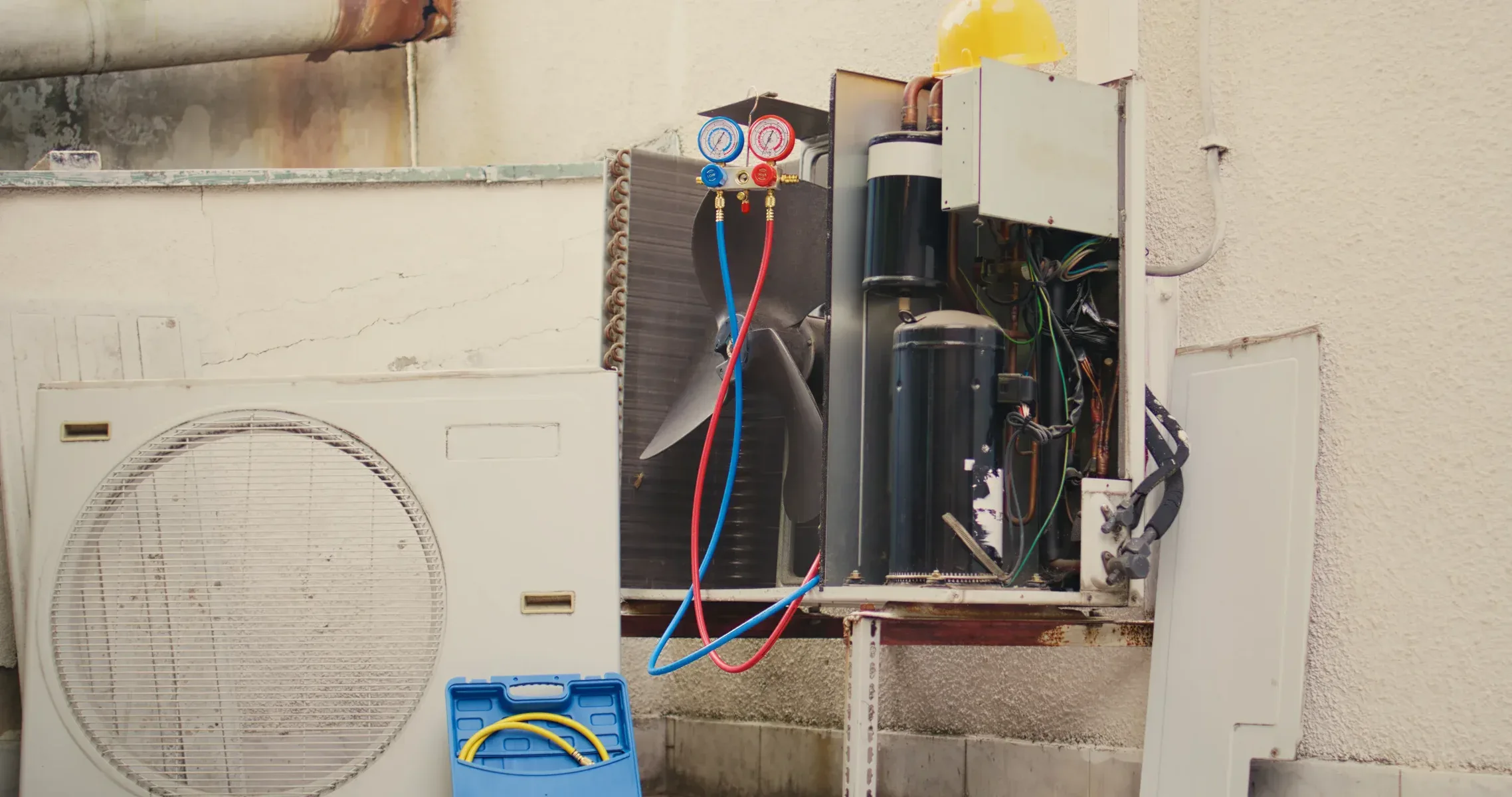
Look, it’s 3 AM, and your walk-in freezer alarm is screaming into your phone. The air inside is creeping up from -10°F to a balmy 25°F, and you’ve got $15,000 worth of product starting to sweat. This isn’t a hypothetical. It’s a Tuesday. For a restaurant owner or manager in DC, especially along the dense, high-rent corridors of Restaurant Row, this is a five-alarm financial fire. The immediate, gut-reaction is to panic, then to start frantically Googling “emergency freezer repair.” But the real move is to understand what’s probably happening, what you can safely do right now, and what you absolutely need a pro for. Because in our climate, with our humidity and our relentless pace, a freezer failure isn’t an if; it’s a when.
Key Takeaways
- Most emergency “freezer failures” are actually defrost system failures, a fixable issue if diagnosed correctly.
- Immediate action is about damage control: move product, document temperatures, and call for help—not attempting complex repairs yourself.
- Knowing the basic components (timer, heater, thermostat, drain) lets you communicate effectively with a technician, saving time and money.
- In DC’s older buildings, electrical issues and clogged drains are the most common culprits, often exacerbated by our local conditions.
What’s Actually Happening When Your Walk-In Freezer Fails?
Nine times out of ten, when a walk-in freezer is running constantly but still warming up, the compressor and refrigerant are fine. The villain is the defrost system. Your freezer doesn’t stay cold by magic; it builds up ice on the evaporator coils (the “cold radiator” inside the box). A several-times-daily defrost cycle melts that ice. When that cycle fails, ice builds up into a solid block, insulating the coils and making the unit work endlessly while the box temperature rises. It’s a system failure, not always a compressor catastrophe.
The Immediate 30-Minute Triage: What You Do Before the Technician Arrives
- Silence the Alarm, But Document Everything. Take photos of the control panel display, the product, and the coils if you can see them. Note the time and temperature. This is crucial for insurance and helps the tech diagnose the timeline.
- Product Salvage. Get ahold of every portable freezer, cooler, and ice pack you have. Prioritize high-cost proteins and prepped items. Call a neighboring restaurant—sometimes, in areas like Penn Quarter or the Wharf, there’s a surprising camaraderie in a crisis. We’ve seen chefs temporarily share space.
- The Safe Visual Check. From the outside, listen. Is the condenser fan (outside unit, often on the roof or an alley) running? Is it buried in leaves or grease? From the inside, can you see a solid wall of ice behind the fan guard? If yes, it’s a defrost issue. If the unit is completely dead, it’s likely electrical. Do not start removing panels or probing with tools. Your goal is info-gathering, not repair.
The Usual Suspects: A Breakdown of the Defrost System
Think of this system as a simple, timed circuit. When it breaks, it’s usually one of these four parts. Here’s what a tech is thinking:
- The Defrost Timer: The brain. This little motor (or electronic board) switches the unit from cooling mode to defrost mode. They get stuck. Sometimes, you can carefully advance the dial manually to force a defrost cycle and confirm the diagnosis. If the timer clicks over and the heaters come on, you’ve found your culprit.
- The Defrost Heater(s): The muscle. These are electric heating elements that warm the coils. They can burn out. A tech will test them for continuity with a multimeter.
- The Defrost Thermostat: The safety switch. It’s taped to the coil. Its job is to cut power to the heaters once the coil hits a certain temperature (usually around 55°F) to prevent cooking your refrigerant. If it fails “open,” it never lets the heaters turn on.
- The Drain Line & Heater: The escape route. This is a massive issue in DC. When the ice melts, water needs to go down a drain line, often under the floor to a drain. That line has its own little heater to prevent re-freezing. If that heater fails or the line clogs with gunk (a mix of algae and grease is common), water backs up, re-freezes into a glacier at the drain pan, and the cycle fails.
The Local Reality: Why DC Restaurants Get Hit Hard
This isn’t generic advice. The environment of a DC restaurant, particularly in historic buildings, creates unique failure points.
- Older, Stressed Electrical Infrastructure: That beautiful 100-year-old building on 14th Street? Its electrical service is often maxed out. Voltage fluctuations from HVAC kicks, kitchen equipment, and even the building next door can fry the sensitive electronic boards on newer defrost timers. We see more board failures here than in newer suburbs.
- The Humidity & Grease Factor: Our swampy summers mean more moisture in the air being pulled into the freezer, leading to faster ice buildup. Kitchen grease aerosolizes, gets pulled into the evaporator, and creates a nasty, clogging film. A quarterly coil cleaning isn’t a luxury; it’s a necessity.
- Rooftop Units & Accessibility: In dense areas, condensers are on roofs. A summer storm blows debris; a winter wind drives snow into the unit. If your tech can’t easily access the roof (or the alley is blocked by dumpsters), simple maintenance gets skipped, leading to overheating and system stress.
When to Stop: The DIY Line You Shouldn’t Cross
I get the urge. You’re handy. You’ve changed a capacitor on a reach-in before. But here’s where it goes sideways:
- Working on live electrical components inside a wet, metal box.
- Replacing a heater element incorrectly, which can lead to a fire hazard.
- Messing with the refrigerant circuit. This is illegal without an EPA 608 certification. If you suspect a leak (low suction pressure, frost in weird places), stop. You need a pro.
The cost of a service call is always less than the cost of a destroyed compressor, a code violation, or a fire. IMO, your job is to be the expert diagnostician of your business—knowing enough to hire the right expert for the machine.
What Professional Repair Looks Like (And What It Should Cost)
A good technician won’t just replace the failed part. They’ll diagnose why it failed. Did the drain clog, causing the thermostat to fail? They’ll clear it. Was there a voltage spike? They might recommend a surge protector. For a standard defrost system repair in the DC area, you’re looking at a ballpark, but prices vary wildly based on part cost, accessibility, and emergency hours.
| Scenario | Typical Parts Involved | Realistic Time & Cost Range (DC) | The Trade-Off |
|---|---|---|---|
| Simple Timer Replacement | Mechanical or electronic timer | 1-1.5 hrs + part ($150-$400) | Fast fix, but doesn’t address root cause if it was electrical. |
| Heater & Thermostat Swap | Heater assembly, thermostat | 1.5-2 hrs + parts ($300-$600) | Common combo repair. Ensure drain is checked! |
| Complete Defrost System + Drain Service | Timer, heaters, thermostat, drain line clear/heat tape | 2-3 hrs + parts ($500-$900+) | The comprehensive fix. Highest upfront cost, best long-term reliability. |
| Emergency After-Hours Call | Any of the above | Add 1.5-2x the labor rate | You’re paying for the when, not just the what. Sometimes necessary. |
The Long-Term Play: It’s About Maintenance, Not Just Repairs
The real secret isn’t knowing how to fix an emergency; it’s preventing it. For a Restaurant Row operation, this means:
- A Quarterly Check: Have a pro clean the coils, check the drain line, and test the defrost components. It’s like changing your oil.
- Remote Monitoring: Invest in a smart alarm system that texts you at the first sign of temperature deviation, not after hours of failure.
- Relationship with a Local Pro: Not a national call center. Find a technician who knows the specific challenges of buildings near the Verizon Center or off U Street. They’ll know the common voltage issues, the typical drain layouts, and can get to you fast.
For businesses in Silver Spring, MD, and the wider DC area, the summer strain and winter chills test these systems year-round. If you’re repeatedly facing the same issue, or if you’re in an older building and just want a baseline assessment, sometimes bringing in a local specialist like us at Pavel Refrigerant Services for a diagnostic can map out your specific vulnerabilities before they become an emergency. It’s always cheaper to pay for an hour of inspection than a midnight crisis call.
Wrapping Up
A walk-in freezer emergency feels apocalyptic, but it’s usually a mechanical, fixable problem. Your power in that moment comes from a cool head, a triage plan, and enough knowledge to partner effectively with a technician. Remember: move the product, diagnose the system (not the box), and know your limits. Keep those drains clear, pay attention to your coils, and build a relationship with a technician before the alarm goes off. Because in this business, the real emergency isn’t the repair—it’s the lost product, the disrupted service, and the hit to your reputation. A little knowledge and the right pro in your contacts list are the best insurance you can have.
People Also Ask
The basic defrost sequence for a walk-in freezer typically involves five key steps. First, the system terminates the refrigeration cycle by closing the liquid line solenoid valve. Second, the defrost heaters are energized, often electric or hot gas, to melt frost from the evaporator coil. Third, the evaporator fans remain off to prevent blowing cold air into the space. Fourth, a temperature or pressure sensor detects when the coil is clear of ice, ending the defrost cycle. Finally, the system initiates a drip-down period before restarting the refrigeration cycle. For detailed guidance on maintaining these systems, refer to our internal article titled Walk-In Cooler Repair & Installation. Pavel Refrigerant Services recommends regular inspection of defrost timers and heaters to ensure efficient operation.
A standard walk-in freezer should typically defrost between two and four times per day, depending on the system's design, usage patterns, and ambient conditions. Most modern units are equipped with an electric or off-cycle defrost system that activates automatically. The goal is to remove frost buildup without causing significant temperature fluctuation. For optimal performance, ensure your defrost cycles are set to terminate based on temperature, not time, to prevent excessive heat inside the box. For more detailed guidance on maintaining precise temperature control, we recommend reviewing our internal article Avoiding Common Mistakes In Thermostat Calibration. At Pavel Refrigerant Services, we emphasize that proper defrost scheduling is crucial for energy efficiency and food safety.
To de-ice a walk-in freezer floor, first remove all products and turn off the unit. Use a plastic scraper to chip away thick ice, being careful not to puncture the floor. Apply a commercial ice melt product safe for freezer floors, or use hot water sparingly to speed melting. Mop up water immediately to prevent refreezing. For persistent buildup, check door seals and auto-close hinges. Pavel Refrigerant Services recommends scheduling a professional inspection if ice recurs, as it may indicate a faulty defrost timer or drain line issue.
When a commercial defrost cycle is terminated, the evaporator fans will typically remain off until the evaporator coil temperature drops back below a set point, usually around 35-40 degrees Fahrenheit. This delay prevents warm, humid air from being blown into the refrigerated space, which could cause frost buildup or temperature fluctuations. The fan delay is controlled by a thermostat or a time delay relay. For professional servicing of these controls and defrost systems in the Washington D.C. and Silver Spring area, Pavel Refrigerant Services can provide expert calibration and repair to ensure efficient operation.